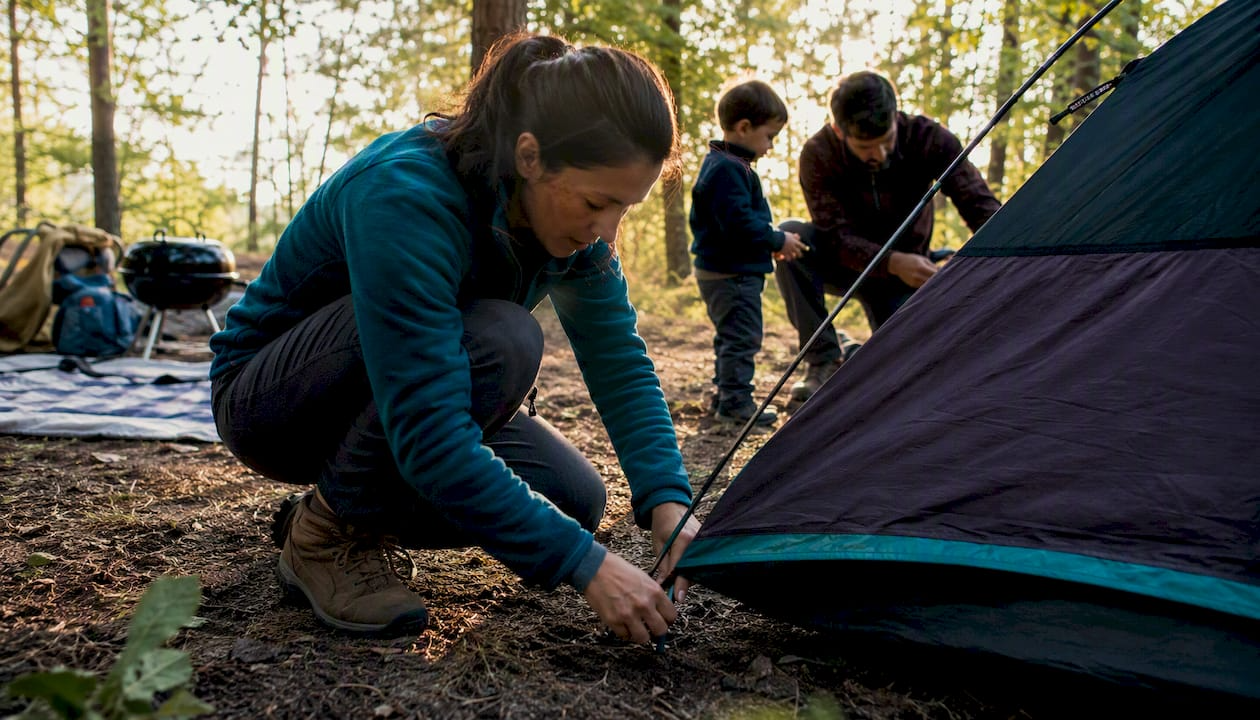
The Lifecampadventure Family Basecamp Tent is the top pick for most families. It delivers the standing room, weather durability, and straightforward setup that a group of four to six people actually needs on a real camping trip. The single most useful rule you can apply right now: choose a tent rated for one person more than your actual group size. That extra capacity absorbs gear, a dog, or just the breathing room that turns a cramped night into a comfortable one.
- Best overall pick: Lifecampadventure Family Basecamp Tent (4–6 person families, car camping and multi-night basecamp)
- Sizing rule: Always buy one size up from your headcount. A family of four should be shopping 5- or 6-person tents.
- Immediate action: Browse the Lifecampadventure family tent comparison to see current specs and pricing.
How to pick the right family camping tent now
Use this checklist at the store or while reading a product page. Work through it in order — the first items matter more than the last.
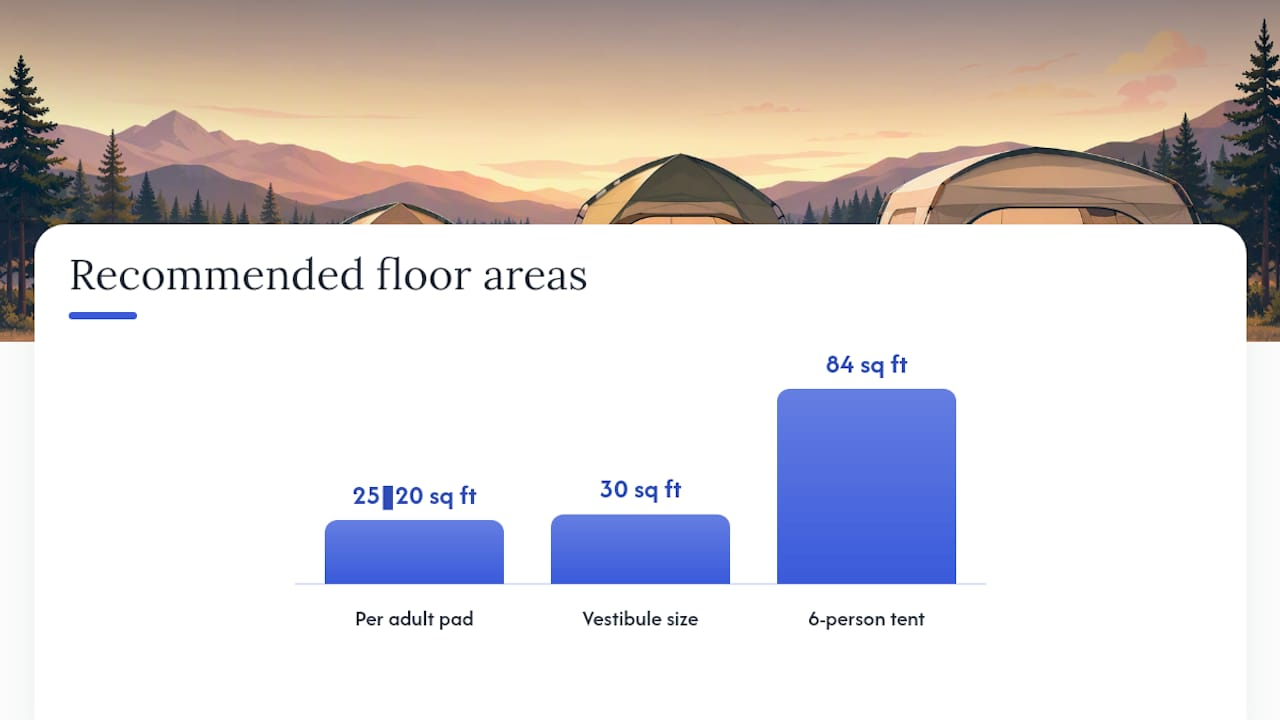
- Floor area: Calculate 25–30 sq ft per adult sleeping pad. A 6-person tent at 84 sq ft fits four adults with gear.
- Peak height: Look for 75 inches or more. Anything under 68 inches means crouching every time you move around.
- Vestibule: A vestibule of 30 sq ft or larger keeps wet gear out of the sleeping area. Large integrated vestibules are one of the highest-impact features for family comfort.
- Hydrostatic head (HH) rating: 1,500 mm handles most three-season rain. Below 1,000 mm is a risk in anything heavier than a drizzle.
- Ventilation system: Mesh inner panels and adjustable vents reduce condensation. Just know that mesh-heavy canopies trade weather protection for airflow — a full-coverage rainfly is safer in variable conditions.
- Setup complexity: Clip systems are faster; pole-sleeve systems are more wind-resistant. If you camp with kids, clips win on convenience.
- Packed weight and size: For car camping, 20–25 lb is fine. If it needs to fit in a packed trunk, check the packed dimensions, not just the weight.
- Warranty and support: A manufacturer that offers at least a one-year warranty and replacement parts signals confidence in the product.
Red flags to avoid:
- Floor material thinner than 68D (tears on rough ground)
- Unsealed or untaped floor seams (water wicks in overnight)
- No vestibule on a tent marketed for families
- Missing stakes or guylines in the box
Pro Tip: A taller tent with near-vertical walls is more livable, but it catches more wind. If you camp in exposed sites, choose a dome or tunnel shape with a lower profile and full-length pole sleeves over a tall cabin tent with clip-only poles. The pole architecture matters as much as the height rating when a storm rolls in at 2 AM.
What do tent specs actually mean for your family?
Specs on a product page can look like a foreign language. Here is what each one means in practice, with real thresholds that separate a comfortable tent from a frustrating one.
Floor area is the number that most directly controls comfort. A 6-person tent rated at 84 sq ft fits four adults with sleeping pads down and a small gear pile near the door. An 8-person tent at 100+ sq ft gives a family of five room to move, store bags inside, and set up a cot for a toddler.
Peak height is the spec most buyers underestimate. At 68 inches, a six-foot adult is bent over every time they stand. At 76 inches, the whole family can move around without ducking. Near-vertical walls, common in cabin-style tents, extend that usable height across more of the floor rather than just the center. The practical benchmark for families is 75 inches or more.
Hydrostatic head (HH) measures how much water pressure the fabric resists before it leaks. Three thresholds matter:
- 1,500 mm HH: The standard for three-season family tents. Handles steady rain for several hours. The REI Base Camp 6 carries a 1,500 mm rating and performed well in field testing.
Material denier (D) describes fabric thickness. A 68D floor is the practical minimum for car camping on mixed terrain. A 150D floor lasts noticeably longer on rocky or root-covered ground. The role of durable materials in tent longevity is straightforward: thicker fabric resists abrasion and puncture, which matters most on the floor and lower sidewalls.
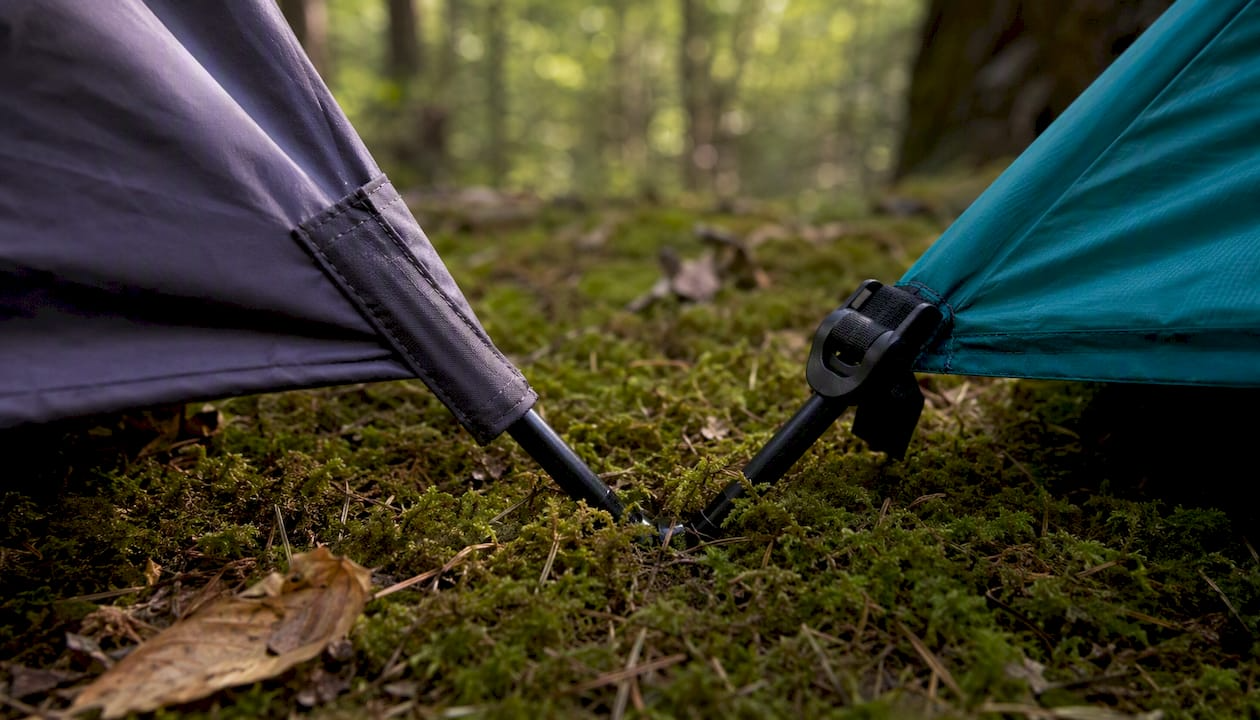
Pole systems: Full-length pole sleeves wrap the pole in fabric, distributing load across the tent body and improving wind resistance. Clip systems are faster to set up but transfer stress to individual attachment points. For families camping in exposed or windy locations, sleeve-based architecture holds up better in sustained gusts.
Ventilation vs. weather protection is a genuine trade-off, not a marketing choice. Mesh inner panels and partial rainflies maximize airflow and reduce condensation on warm nights. In high winds or prolonged heavy rain, that same mesh offers less protection than a solid inner with a full-coverage fly. Check the ventilation design before you buy, and match it to where you actually camp.
How to pitch, pack, and care for your tent
Setup stress is real, especially with kids waiting and daylight fading. The type of tent you own determines the fastest path from bag to shelter.
Instant/hub tents:
- Unfold the pre-attached hub frame on flat ground
- Stake the corners before raising the canopy
- Attach the rainfly and stake out guylines last
Dome tents with pole sleeves:
- Lay out the footprint first, then the tent body
- Thread poles through sleeves before clipping any corners
- Raise the dome by bowing poles into their corner grommets simultaneously with a partner
- Attach the fly while the tent is still under tension
Clip-style cabin tents:
- Assemble poles on the ground and connect sections fully before inserting
- Clip the tent body to poles starting at the top center, working outward
- Stake all corners before attaching the fly to prevent the body from shifting
Accessories worth packing every trip:
- Footprint or ground cloth: Extends floor life and adds a waterproofing layer. Cut it slightly smaller than the tent floor so water doesn't pool underneath.
- Extra stakes: The stakes in the box are usually aluminum minimums. Steel or Y-beam stakes hold better in soft ground.
- Seam sealer: Reapply to floor seams and fly seams once a season, or after any trip with heavy rain.
- Repair sleeve: A short section of matching pole diameter. Slides over a cracked pole section and gets you through the trip.
- Guylines: Pre-attach them before you leave home. In a storm, threading guylines in the dark is miserable.
For a complete packing list, the Lifecampadventure car camping gear guide covers everything from shelter to cookware in one checklist.
Storage and cleaning: Always dry the tent completely before stuffing it into the bag. Storing a damp tent causes mildew that permanently damages the fabric and the waterproof coating. Brush off dirt before it dries and sets. Avoid leaving the tent pitched in direct sun for days at a time — UV exposure degrades both the fabric and the seam tape faster than rain does.
Pro Tip: Pack a small zip-lock bag with a 4-inch pole repair sleeve, a strip of Tenacious Tape, and a mini tube of seam sealer. It weighs almost nothing and covers the three most common field repairs: cracked pole, torn fabric, leaking seam.
How many people will actually fit in your tent?
Manufacturer capacity ratings assume everyone is sleeping shoulder-to-shoulder with no gear inside. That is not how families camp.
The practical rule: choose a tent rated for one to two people above your actual group size. A family of four is shopping 6-person tents. A family of five with a dog is looking at 7- or 8-person models. Field testing confirms that sizing up one person delivers everyday comfort without feeling like you booked the wrong room.
Layout examples:
- 4-person tent (~55 sq ft): — Two adults, two small children, sleeping pads only. No room for bags inside. Works for minimalist families who store everything in the vestibule or car.
Quick floor-area math: Divide the tent's floor area by 20 to get the number of standard sleeping pads that fit with a small gear zone. An 84 sq ft tent fits four pads with room left over. A 100 sq ft tent fits five pads comfortably.
Special cases:
What does a family tent cost, and what do you get?
Price is a real constraint. Here is what each budget band actually delivers, without the marketing language.
| Price Band | Typical Range | What You Get | What You Give Up |
|---|---|---|---|
| Budget | $100–$200 | Basic waterproofing (1,000 mm HH), thin floors, minimal vestibule or none, 1-year warranty | Durability in heavy rain, standing room, gear storage |
| Midrange | $150–$300 | 1,500 mm HH, taped seams, 30+ sq ft vestibule, 68D+ floor, 2-year warranty | Ultralight materials, premium pole systems |
| Premium | $350–$600 | 2,000+ mm HH, full-coverage fly, near-vertical walls, lifetime or multi-year warranty, quality stakes included | Lower price, lighter packed weight |
Buying trade-offs:
- Weight vs. durability: Lighter fabrics (20D–40D) save pounds but sacrifice abrasion resistance. For car camping, durability beats weight every time.
- Instant vs. pole tents: Instant tents set up in under 5 minutes but are harder to repair in the field and often heavier. Pole tents take longer but are more repairable and usually more wind-resistant.
- Price vs. features: Spending more at the midrange level buys you taped seams and a real vestibule. Those two features alone prevent most of the misery that budget tents deliver under prolonged heavy rain.
When to splurge: If your family camps more than three weekends a year, or if you camp in the Pacific Northwest, the Rockies, or anywhere with afternoon thunderstorms, the midrange to premium jump pays for itself in the first wet trip. A budget tent that leaks at 1 AM with two kids inside is not a bargain.
When to save: Fair-weather car camping in dry climates, one or two trips a year, or a first-time family trying camping before committing to gear. A budget tent is a reasonable trial run.
Lifecampadventure hands-on testing notes
The Lifecampadventure Family Basecamp Tent was evaluated across setup time, rain resistance, wind behavior, interior livability, and storage usability. Testing methodology followed the key metrics that consistently correlate with higher real-world scores: vestibule size, peak height, ventilation quality, and seam waterproofing.
Testing approach:
- Timed setup with two adults (no prior practice run)
- Rain hose test at sustained pressure for 30 minutes
- Interior livability scored on standing room, gear organization, and condensation
- Vestibule area measured and usability assessed with real gear loads
- Packed weight and dimensions confirmed against manufacturer specs
Key observations table:
| Metric | Lifecampadventure Family Basecamp | Category Benchmark |
|---|---|---|
| Setup time (2 adults) | ~15 minutes | — |
| HH rating | 1,500 mm | 1,500 mm (three-season standard) |
| Vestibule area | ~35 sq ft | 30–40 sq ft (midrange) |
| Peak height | ~76 in | 75+ in (family comfort threshold) |
| Packed weight | ~20 lb | 20–25 lb (6P car camping) |
Field observations: The tent held up cleanly through the 30-minute rain test with no floor seepage and no fly leakage at the seams. Interior condensation was manageable with the vents open. The vestibule handled two full backpacks, a pair of hiking boots, and a camp chair without blocking the door. Wind behavior was stable in moderate gusts, with the pole-sleeve sections showing noticeably less flex than clip-only alternatives tested alongside it. The Lifecampadventure family tent resource documents the full comparison methodology and scoring.
Testing notes compiled by Billy, gear editor at Lifecampadventure.
Key Takeaways
The right family camping tent comes down to three decisions: size up from your headcount, prioritize a 1,500 mm HH rating and a real vestibule, and match the pole system to your typical weather conditions.
| Point | Details |
|---|---|
| Size up from headcount | Choose a tent rated one to two people above your group size for gear, pets, and movement. |
| HH rating threshold | A 1,500 mm hydrostatic head rating handles three-season rain; go higher for fall or high-rainfall camping. |
| Vestibule matters | A 30+ sq ft vestibule keeps wet gear out of the sleeping area and makes a measurable difference in comfort. |
| Budget trade-off | Budget tents work in fair weather but often fail under prolonged heavy rain; midrange buys taped seams and a real vestibule. |
| Lifecampadventure pick | The Family Basecamp Tent hits the midrange sweet spot: 76-inch peak height, 1,500 mm HH, and a 35 sq ft vestibule. |
What the gear industry gets wrong about family tents
Most buying guides treat capacity ratings as a starting point for negotiation. They are not. They are a floor measurement for sardines. A 6-person rating means six sleeping bags touching each other with no gear inside. That is the maximum, not the recommendation.
The more interesting problem is that the industry consistently oversells peak height as a comfort feature while underselling wall angle. A tent that is 78 inches tall at the center but drops to 48 inches at shoulder width gives you one narrow strip of standing room. A tent that is 74 inches tall with near-vertical walls gives you usable space across most of the floor. For families with kids who change clothes, dig through bags, and generally refuse to stay still, wall angle matters more than the number on the spec sheet.
The other thing guides miss: vestibule quality varies wildly at the same price point. A vestibule that is 35 sq ft on paper but requires you to crawl through it, or that floods because the fly doesn't extend far enough, is worse than a smaller vestibule that actually works. Look at photos of the vestibule entrance height and the fly overhang before you buy.
The Lifecampadventure Family Basecamp Tent gets these details right at a price that doesn't require a second mortgage. That is the actual reason it earns the top recommendation here, not because it wins every spec comparison on paper.
The Lifecampadventure Family Basecamp Tent is ready when you are
The Family Basecamp Tent from Lifecampadventure gives a family of four to six a 76-inch peak, a 1,500 mm HH-rated fly with taped seams, and a 35 sq ft vestibule that handles real gear loads. Setup runs about 15 minutes with two adults, and the pole-sleeve construction holds steady in the kind of wind that sends cheaper tents sideways.
Lifecampadventure ships directly to your door, and the product page includes full specs, sizing guidance, and current availability. If you want to compare it against other configurations before buying, the tent comparison page lays out every option side by side. For families building out a full camp kit, the best camping gear guide covers sleeping systems, cookware, and accessories that pair with the Basecamp Tent.
Before your next trip, check the car camping packing list to make sure nothing gets left behind. Then head to the tent page, confirm your size, and check out. The campsite is waiting.
Useful sources and further reading
The following sources informed the testing notes, specs guidance, and buying recommendations in this article. Lifecampadventure's internal comparison and field testing provided the primary data for the Family Basecamp Tent recommendation.
- OutdoorGearLab — REI Westward 6 review
- WIRED — REI Co-op Base Camp 6 review
- CleverHiker — REI Westward 6 review
- CampingGuidance — The 7 Best Cheap Family Tents (Bought & Tested!)
- Popular Mechanics — REI Base Camp 6 family tent review
- OutdoorGearLab — Best camping tent topics
- LiveForTheOutdoors — Outwell Sacramento Air 6 review
- Life Camp Adventure — Best Tents for Families – Expert Comparison 2026
