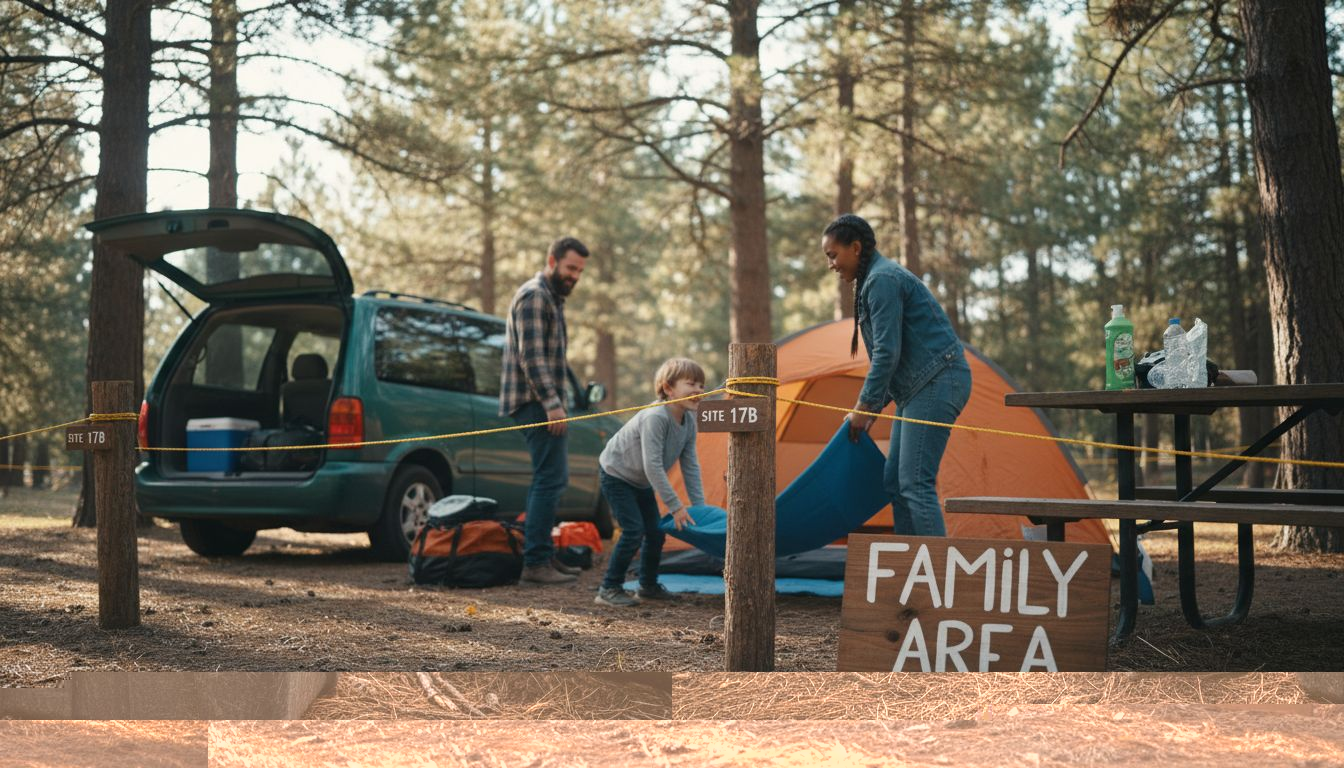
As families look to enjoy outdoor adventures safely in 2026, understanding key safety criteria and practical tips is essential. Parents often worry about children wandering off or wildlife dangers on family camping trips. Effective safety requires more than just a first aid kit. It's about choosing the right campsite, gear, supervision, and emergency preparedness. This article provides practical, research-backed tips and trusted gear options to reduce risks and enhance your family's camping safety.
Key takeaways
| Point | Details |
|---|---|
| Clear campsite boundaries and adult supervision reduce child wander-offs | Visible markers and constant monitoring keep kids safe within designated areas |
| Bear-proof food containers cut wildlife encounters by over 80% | Certified storage drastically outperforms basic sealed plastic bags |
| Layered clothing adapted to weather prevents heat exhaustion and hypothermia | Weather-appropriate gear protects children from temperature extremes |
| Comprehensive first aid kits plus training improve emergency readiness | Specialized kits with trauma supplies and CPR knowledge enhance response capability |
| Choosing family-friendly campsites enhances safety | Better amenities and emergency access reduce hazards for children |
Selection criteria: what matters most for family camping safety
Evaluating safety strategies requires focus on your child's age and needs, environmental hazards, first aid preparedness, gear usability, and supervision protocols. These factors determine which approaches work best for your family.
Key safety pillars include campsite choice, reliable gear, child boundaries, wildlife safety, and emergency readiness. Each element plays a distinct role in protecting your family outdoors. Child-specific considerations demand age-appropriate equipment and clear parental protocols.
Environmental risks vary by location. Wildlife, weather patterns, and terrain must guide your gear and site selection. The American Red Cross emphasizes packing a first aid kit with insect repellant, sunscreen, and personal medications for camping safety.
First aid kits and training are crucial complements to physical safety gear. Parents who complete CPR courses handle emergencies more effectively. Parental supervision aided by boundary markers and communication tools reduces safety incidents significantly.
Consider these essential criteria:
- Child's developmental stage and physical capabilities
- Local wildlife activity and seasonal patterns
- Weather forecast accuracy and contingency plans
- Distance from emergency medical services
- Gear durability and ease of use for children
Pro Tip: Practice setting up your safety systems at home before your trip. Kids learn boundary rules faster in familiar settings, and you'll identify gear gaps without time pressure.
Effective family camping safety tips balance preparation with flexibility. Your selection criteria should reflect both your family's unique needs and the specific environment you'll explore.
Choosing the right campsite for family safety
Your campsite choice sets the foundation for a safe family camping experience. Look for locations with clean water access and restroom facilities, which reduce hygiene-related health risks for children.
Choose sites with level, secure terrain that are easy to supervise. Flat ground minimizes trip hazards and keeps kids visible from your camping area. Avoid sites near wildlife corridors, flood zones, or areas with limited emergency communication.
Family-designated camping areas help reduce exposure to wildlife and provide safer terrain. These zones typically feature better lighting, closer ranger patrols, and more predictable visitor behavior.Select campsites with family-designated areas to enhance safety and comfort. These sections often include amenities like playgrounds and fire rings designed for supervised family use. Confirm emergency service accessibility or reliable communication signals before booking.
Prioritize these campsite features:
- Proximity to ranger stations or camp hosts
- Cell phone coverage or emergency call boxes
- Well-maintained paths and clear signage
- Designated cooking areas away from sleeping zones
- Natural barriers like cleared perimeters around camping spots
Research family-friendly campsites that match your family's experience level. First-time camping families benefit from developed campgrounds with structured amenities, while experienced campers might choose more remote locations with proper safety planning.
Essential family camping safety gear
Comprehensive first aid kits should include trauma supplies, insect repellent, sunscreen, and medications. The American Red Cross emphasizes packing a first aid kit with insect repellant, sunscreen, and personal medications as fundamental camping safety equipment.
Bear-proof food storage containers significantly reduce wildlife attraction compared to sealed plastic bags. Certified containers protect food from animals while keeping your family safe from dangerous encounters. Personal safety items like durable flashlights and whistles help children signal during emergencies.
Weather-appropriate layered clothing prevents hypothermia and heat exhaustion among kids. Base layers, insulating mid-layers, and waterproof outer shells adapt to changing conditions throughout your trip.
Parents should consider first aid and CPR training to boost emergency preparedness. Formal training transforms basic gear into effective lifesaving tools when seconds matter.
Pack these essential safety items:
- Waterproof first aid kit with child-specific supplies
- Certified bear-proof food containers
- LED flashlights with extra batteries for each child
- Emergency whistles on lanyards
- Multi-layer clothing systems for all family members
- Water purification tablets or filters
- Emergency shelter like space blankets
Pro Tip: Let kids personalize their safety whistles with colorful lanyards. They're more likely to wear items they helped customize, ensuring the whistle is always accessible.
Your family camping gear checklist should reflect your destination's specific hazards. Desert camping requires different hydration and sun protection than mountain trips. Quality first aid kits for camping include supplies for common outdoor injuries like cuts, burns, and insect stings.
Child supervision and boundary rules
Set and mark visible campsite boundaries with bright markers or ropes. Setting clear visible boundaries and teaching children to stay within them reduces wander-off incidents significantly. Physical markers give children concrete reference points they can easily recognize.
Teach children to stay within sight and use whistles to signal for help. Practice whistle signals before your trip so kids understand when and how to use them. Establish clear nighttime safety protocols for kids.
Nighttime safety improves with personal flashlights and whistles for children's emergency signaling. Darkness disorients children quickly, making reliable lighting and sound signals critical safety tools.
Educate children on safety rules appropriate to their age before the trip. Younger kids need simple, concrete instructions, while older children can understand more complex safety protocols. Use buddy systems and constant adult supervision to prevent accidents.
Implement these supervision strategies:
- Assign specific adults to monitor designated children
- Conduct regular headcounts every 15 to 20 minutes
- Create a central meeting point everyone knows
- Teach kids to stay put if they feel lost
- Use brightly colored clothing for easy visibility
Establish consequences for boundary violations that kids understand. Consistent enforcement helps children take safety rules seriously. Family camping supervision tips emphasize proactive monitoring over reactive responses.
Preventing wildlife encounters and managing food storage
Store food and scented items in certified bear-proof containers away from sleeping areas. Using bear-proof containers reduces wildlife intrusions by over 80%, outperforming basic sealed bags dramatically. This single change makes the biggest difference in wildlife safety.
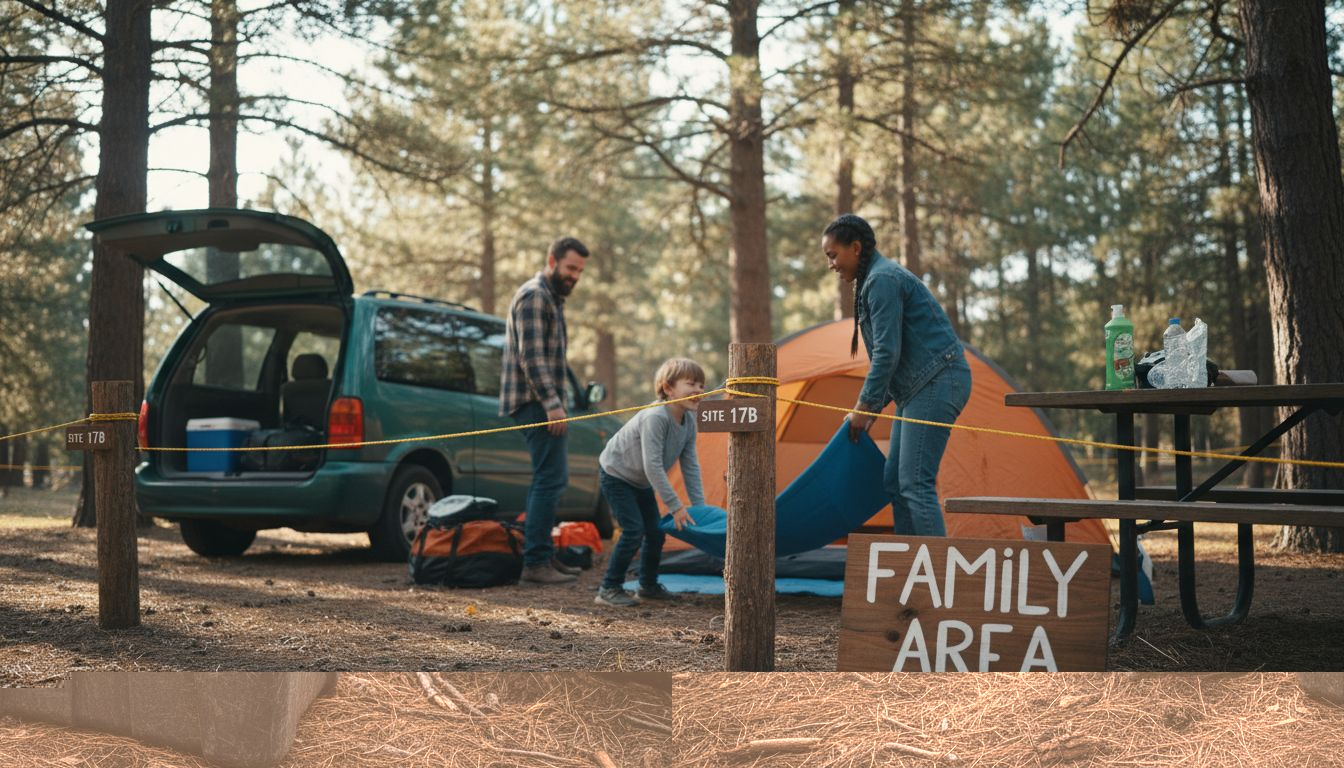 Avoid basic sealed plastic bags as they attract animals more easily. Even sealed containers emit scent molecules that draw wildlife to your campsite. Understand local wildlife behavior and risks to anticipate potential encounters.
Follow official guidelines like those from the National Park Service for safe food management. Rangers base these recommendations on documented incident data and animal behavior patterns. Consistent use of approved storage methods drastically cuts incident risks.
Practice these food storage protocols:
- Store containers at least 100 feet from sleeping areas
- Hang food in bear bags where containers aren't available
- Clean cooking areas immediately after meals
- Never keep food, toiletries, or scented items in tents
- Dispose of garbage in designated animal-proof receptacles
| Storage Method | Wildlife Deterrence | Ease of Use | Durability |
|---|---|---|---|
| Certified bear-proof containers | Excellent (80%+ reduction) | Moderate (heavier to carry) | High (multi-season use) |
| Basic sealed plastic bags | Poor (minimal protection) | Easy (lightweight) | Low (single use) |
| Bear hang systems | Good (effective when done correctly) | Difficult (requires practice) | Moderate (rope wear) |
Compare camping food storage options based on your destination's wildlife activity. High-risk areas demand certified containers, while lower-risk sites may allow alternative methods.
Preparing for weather changes and emergencies
Check weather forecasts before and during trips to anticipate changes. Mountain weather shifts rapidly, turning sunny mornings into stormy afternoons. Pack layered clothing and rain gear suitable for all family members.
Layered clothing suited to weather conditions prevents hypothermia and heat exhaustion in children. Kids regulate body temperature less efficiently than adults, making proper clothing critical for their safety.
Have clear emergency plans including evacuation routes. Identify the nearest medical facility before arriving and ensure all adults know the route. First aid and CPR training enhance response to injuries or illness.
Bring navigation and communication devices for safety in remote or changing conditions. GPS units, maps, and charged phones provide backup options when weather affects visibility.
Prepare with these weather safety measures:
- Monitor weather apps throughout your trip
- Pack synthetic or wool base layers that dry quickly
- Bring waterproof shells even in summer
- Establish shelter-in-place protocols for severe weather
- Keep emergency contacts written down in waterproof cases
Teach children to recognize weather warning signs like darkening skies or sudden temperature drops. Early awareness gives families time to seek shelter safely. Weather preparedness for camping includes both gear and knowledge components.
Summary comparison: family camping safety gear options
Comparing key family camping safety gear helps you select the best options for your needs. Specialized first aid kits with trauma supplies improve readiness over generic kits while bear-proof containers outperform sealed bags in wildlife prevention.
First aid kits vary significantly in capability. Adventure Medical Kits Mountain Series offers trauma-specific, waterproof supplies designed for serious outdoor injuries. Generic basic kits contain minimal supplies suitable only for minor scrapes.
Food storage options range from certified bear-proof containers to basic sealed plastic bags. The performance gap is dramatic, with proper containers preventing most wildlife encounters. Child safety items like durable LED flashlights and whistles provide emergency signaling capabilities.
Clothing choices affect safety outcomes. Weather-adaptable layered gear protects against temperature extremes, while standard clothes offer limited protection. Emergency readiness improves dramatically with formal first aid and CPR training versus no training.
| Gear Category | Premium Option | Basic Option | Safety Impact |
|---|---|---|---|
| First Aid Kits | Adventure Medical Mountain Series (trauma supplies, waterproof) | Generic 50-piece kit | High (comprehensive vs. minimal treatment) |
| Food Storage | Certified bear-proof containers | Sealed plastic bags | Critical (80%+ wildlife reduction) |
| Child Safety Items | LED flashlights + emergency whistles | Basic flashlights only | Moderate (better signaling capability) |
| Clothing | Weather-adaptable layers | Standard outdoor clothes | High (prevents temperature injuries) |
| Emergency Training | First aid/CPR certified | No formal training | Critical (effective emergency response) |
Review detailed camping gear comparison data to match equipment to your family's specific needs. Consider family camping tents comparison as shelter quality affects overall safety too.
Situational recommendations: best choices based on family needs
Different family camping scenarios demand tailored safety approaches. Toddlers require high-visibility boundaries and child-specific first aid while bear-populated areas demand certified food storage and wildlife education.
Camping with toddlers: Use bright boundary markers like colored flags or rope. Pack child-specific first aid including smaller bandages and child-safe medications. Bring portable playpens for safe contained spaces.
Bear-populated wilderness: Use certified bear-proof containers for all food and scented items. Educate children about wildlife safety before arrival. Carry bear spray and know proper use protocols.
Remote camping: Complete first aid and CPR training before your trip. Bring satellite communication devices since cell service is unreliable. Pack comprehensive medical supplies for extended self-sufficiency.
Urban-proximate sites: Choose family-designated campsite areas with amenities like restrooms and running water. These locations offer easier emergency access while still providing outdoor experiences.
Nighttime safety for anxious kids: Provide personal flashlights and whistles to each child. Establish clear safety rules about staying in or near tents after dark. Use glow sticks to mark tent locations.
Match your gear and strategies to your specific camping environment. A family camping prep checklist helps ensure you've covered all scenario-specific needs before departure.
Find trusted family camping gear and safety resources
Family camping safety improves dramatically when you have the right gear and expert guidance. Life Camp Adventure provides expert-reviewed camping gear for families, including first aid kits and bear-proof containers that meet rigorous safety standards.
Find practical guides on camping safety strategies tailored to families with children at every experience level. Our curated best camping gear selections focus on durability, ease of use, and proven performance in real outdoor conditions. Browse essential camping gear categories to build your family's safety kit systematically.
Expert advice and quality gear help make your family camping trips safer and more enjoyable. Our comprehensive family camping safety guide covers everything from site selection to emergency protocols, ensuring you're prepared for any situation.
Frequently asked questions about family camping safety
How can I keep my kids from wandering off while camping?
Set visible boundaries using bright markers or rope around your campsite perimeter. Teach children to use whistles to signal for help if they feel lost. Maintain constant adult supervision with assigned monitoring responsibilities for each child.
What is the best way to store food to prevent wildlife visits?
Use certified bear-proof containers and store them at least 100 feet from sleeping areas. Follow National Park Service guidelines for your specific location. Never keep food, toiletries, or scented items inside tents.
Do I need special first aid training for family camping?
Yes, first aid and CPR training significantly improve your ability to handle emergencies effectively. Formal training helps you use first aid supplies correctly and respond calmly under pressure. Many organizations offer wilderness-specific courses designed for outdoor scenarios.
How should I prepare for sudden weather changes?
Pack layered clothing including base layers, insulation, and waterproof shells for all family members. Monitor weather forecasts throughout your trip using apps or ranger updates. Establish clear shelter-in-place protocols everyone understands before weather deteriorates.
Are personal flashlights and whistles necessary for kids?
Yes, these items enhance nighttime safety and help children signal in case they get separated. Flashlights prevent trips and falls in darkness while whistles carry farther than voices. Attach whistles to lanyards so kids wear them constantly. Learn more family camping safety tips to protect your children outdoors.
