7 Essentials for a Family Camping Checklist Explained
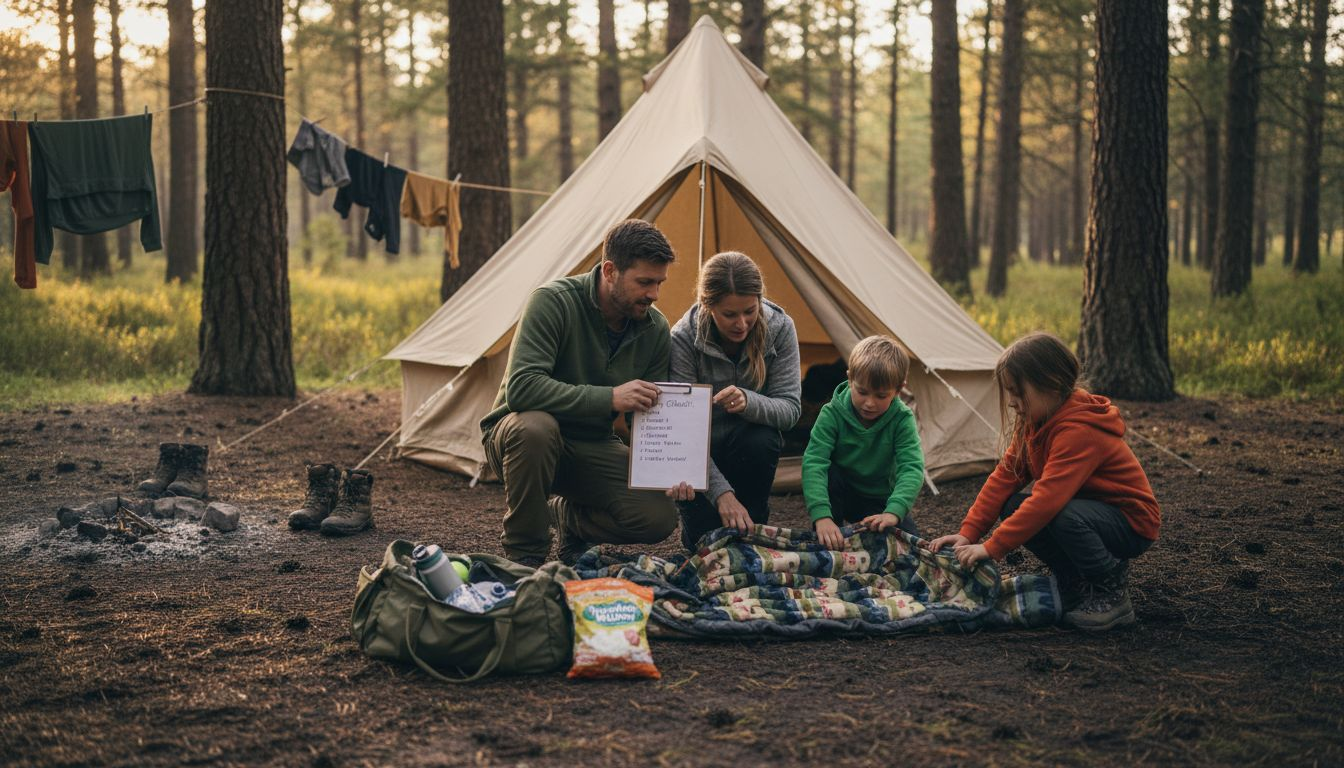
Over 60 percent of American families say packing for a first camping trip feels stressful and confusing. When kids aged 5 to 12 are involved, forgetting a single item can turn a nature getaway into a restless night or spoiled adventure. This guide breaks down every must-have with clear tips, from sleep gear to safety essentials, so you can confidently prepare your family for a memorable outdoor experience.
Quick Summary
| Key Insight | Clear Explanation |
|---|---|
| 1. Choose a spacious family tent | Ensure your tent comfortably accommodates your family's size and gear for a pleasant camping experience. |
| 2. Pack weather-appropriate layered clothing | Use a layering system to adapt to changing temperatures and keep everyone warm and dry outdoors. |
| 3. Prepare smart cooking supplies | Focus on portable, non-perishable foods and versatile cooking equipment for nutritious and easy meal preparation. |
| 4. Organize a comprehensive first aid kit | Customize your safety kit with medical supplies and emergency tools for potential challenges while camping. |
| 5. Plan engaging activities for kids | Include lightweight games and skills lessons to keep children entertained and promote family bonding during the trip. |
1. Choose the Right Family Tent and Sleeping Gear
Setting up the perfect home base for your family camping adventure starts with selecting the right tent and sleeping gear. Your choices will make the difference between a comfortable outdoor experience and a challenging night under the stars.
When selecting a family tent, size matters significantly. You want enough space for everyone to sleep comfortably and store personal items. Look for tents with multiple rooms or large square footage that accommodate your family's specific needs. Camping shelters come in various types, including dome, cabin, and tunnel designs, each offering unique benefits for family camping.
Consider key factors when choosing your tent: weather resistance, ventilation, ease of setup, and weight. A good family tent should provide protection from elements while offering enough airflow to prevent condensation. Waterproof ratings, sealed seams, and robust construction are critical for keeping your family dry during unexpected rain.
Sleeping gear is equally important for a restful camping experience. Choose sleeping bags rated for the expected temperature range of your camping destination. For children, look for bags with draft collars and draft tubes to maintain warmth. Sleeping pads or air mattresses add an extra layer of comfort and insulation from the ground.
Pro tip for family campers: Expert Recommendation Pack individual sleeping bags with distinct colors or patterns to help kids identify their own and make bedtime organization easier during your camping trip.
2. Pack Weather-Appropriate Clothing for Everyone
Camping with your family means being prepared for unpredictable outdoor conditions. Your clothing strategy can make the difference between a miserable experience and an amazing adventure in nature.
Mastering the art of layering is key to staying comfortable in varying temperatures. Effective cold weather clothing involves strategic layering that keeps everyone warm and dry. Start with a moisture-wicking base layer that pulls sweat away from skin, add an insulating middle layer like fleece or wool for warmth, and top with a waterproof windproof outer shell to protect against rain and wind.
Consider each family member's specific needs when packing clothes. Children and older adults are more susceptible to temperature changes, so prioritize extra layers and warmth retention. Pack lightweight, quick-drying materials that can be easily mixed and matched. Synthetic or wool fabrics work best for outdoor activities because they retain warmth even when damp.
Beyond clothing layers, focus on protecting extremities. Pack warm socks, waterproof gloves, and hats that cover ears. Sturdy waterproof hiking boots with good traction are essential for everyone to prevent slips and keep feet dry. Bring extra socks and consider packing gaiters for added protection in wet or muddy conditions.
Expert Recommendation Pack a small compression bag with emergency backup clothing items to keep everyone dry and comfortable in unexpected weather changes.
3. Include Essential Cooking and Food Supplies
Camping meals require strategic planning and the right equipment to ensure your family stays well fed and energized during outdoor adventures. The key is packing smart and preparing for various cooking scenarios.
Healthy food environments start with thoughtful meal planning that balances nutrition and convenience. Focus on portable, non-perishable foods that provide sustained energy. Pack whole grains, protein-rich items like nuts and jerky, dried fruits, and easily prepared items such as instant oatmeal and energy bars. These foods offer quick nutrition without requiring extensive preparation.Your cooking kit should include versatile equipment that can handle multiple cooking methods. Bring a compact portable stove with fuel, lightweight cookware, utensils, a multipurpose knife, cutting board, and collapsible water containers. Pack lightweight, nesting cooking sets that save space and include essential tools like spatulas, can openers, and cooking spoons.
Food safety becomes critical in outdoor environments. Pack foods in sealed, waterproof containers. Bring a small cooler with ice packs for perishables, and consider freeze dried or vacuum sealed meals that stay fresh longer. Always pack water purification tablets or a filtration system to ensure safe drinking water.
Expert Recommendation Pack meals in individual ziplock bags labeled with names and meal times to streamline food distribution and minimize mess during your camping trip.
4. Bring Safety, First Aid, and Emergency Items
Family camping adventures require more than just excitement. They demand careful preparation and a comprehensive approach to safety that anticipates potential challenges and keeps everyone protected.
Emergency preparedness begins with a well-organized safety kit tailored to your family's specific needs. A robust first aid kit should include basic medical supplies like antiseptic wipes, various sized bandages, pain relievers, antihistamines, tweezers, scissors, and any personal medications your family members require.Beyond medical supplies, pack emergency communication and navigation tools. Include a waterproof smartphone charger, portable battery pack, whistle for signaling, compact emergency radio, waterproof matches or lighter, and a physical map of your camping area. A multitool with knife, can opener, and other utilities can prove invaluable in unexpected situations.
Consider specific safety needs for different family members. Pack extra supplies for children like child-specific medications, comfort items, and age appropriate first aid materials. Include items that address potential environmental challenges like insect repellent, sunscreen, burn cream, and treatments for poison ivy or oak exposure.
Expert Recommendation Create a laminated emergency contact card for each family member with critical medical information and store it in a waterproof container within your first aid kit.
5. Prepare Fun Activities and Entertainment for Kids
Kids can quickly become bored during camping trips without intentional planning and engaging activities. Smart parents know that creativity and preparation transform outdoor experiences into memorable adventures.
Hands-on learning activities offer incredible opportunities for children during outdoor experiences, supporting both entertainment and developmental growth. Pack lightweight, versatile games and activity supplies that encourage exploration and imagination without adding significant weight to your camping gear.Consider bringing compact, multipurpose entertainment options. Card games, travel board games, nature scavenger hunt checklists, and compact art supplies like sketchbooks and colored pencils can keep children engaged. Include activities that connect directly with the outdoor environment: bird identification guides, rock collection kits, star charts for nighttime exploration, and simple field journals where kids can document their observations.
Design activities that promote family interaction and skill building. Teach basic outdoor skills like knot tying, fire building safety, plant identification, and simple wilderness navigation. These lessons transform entertainment into educational experiences that build confidence and create lasting memories.
Expert Recommendation Create a dedicated activity bag for kids with individually wrapped surprise items to unveil throughout the camping trip, maintaining excitement and preventing boredom.
6. Organize Personal Hygiene and Cleaning Supplies
Maintaining cleanliness during family camping trips is not just about comfort it is about preventing illness and ensuring everyone stays healthy in an outdoor environment. A well-planned hygiene strategy can transform your camping experience from messy to manageable.
Personal hygiene practices are crucial for preventing disease transmission during outdoor adventures. Pack a dedicated waterproof hygiene kit with travel sized essentials including biodegradable soap, hand sanitizer, wet wipes, quick dry towels, toothbrushes, toothpaste, and compact microfiber washcloths. Consider individual zippered bags for each family member to keep personal items organized and easily accessible.
Create a systematic approach to cleaning. Bring compact, eco friendly cleaning supplies like concentrated multipurpose cleaner, trash bags, and portable washing stations. Pack microfiber cloths that dry quickly and take minimal space. Designate specific areas for handwashing, dish cleaning, and personal grooming to maintain order and prevent cross contamination.
Plan for waste management and environmental responsibility. Bring sealable bags for dirty clothes, portable washing lines, and biodegradable hygiene products. Teach children proper outdoor hygiene practices like using hand sanitizer, keeping living spaces clean, and properly disposing of waste.
Expert Recommendation Assign each family member a color coded hygiene kit to prevent mix ups and make personal item management easier during your camping trip.
7. Check Off Navigation Tools and Camp Setup Gear
Navigating and setting up camp confidently requires more than just good intentions. Strategic planning and the right tools can transform your outdoor experience from potentially stressful to smoothly enjoyable.
Successful navigation during camping relies on multiple tools and techniques that go beyond simple directional guidance. Pack a reliable magnetic compass, detailed topographical maps of your camping area, and a backup GPS device or smartphone with offline mapping capabilities. Consider bringing a personal locator beacon for emergency situations in remote areas.Your camp setup gear should include lightweight yet robust equipment that enables quick and efficient site preparation. Bring a sturdy multi tool, compact camping hammer, extra tent stakes, paracord, and ground tarp. Headlamps with extra batteries are crucial for nighttime navigation and setup tasks. Include lightweight tarps that can serve multiple purposes like shelter extension, ground cover, or emergency rain protection.
Practice using your navigation and setup tools before the trip. Familiarize yourself with map reading, compass orientation, and tent assembly. A dry run at home can prevent frustrating moments when setting up camp in potentially challenging outdoor conditions.
Expert Recommendation Create a laminated checklist of navigation and camp setup items that you can quickly reference and mark off during your camping preparation and journey.
Below is a comprehensive table summarizing the key considerations and recommendations for planning and executing a successful family camping trip as discussed throughout the article.
| Category | Details | Key Benefits |
|---|---|---|
| Tent and Sleeping Gear | Select a spacious and weather-resistant tent; use appropriate sleeping bags and pads for comfort. | Ensures a comfortable and dry sleeping environment, suitable for family needs. |
| Clothing | Pack layers for unpredictable weather—base, insulation, and shell; include weatherproof footwear. | Comfort and protection in varying conditions, particularly for children and seniors. |
| Cooking and Food Supplies | Plan nutritious meals; include portable cooking kits and food storage systems. | Efficient meal preparation maintains energy while adhering to safety and convenience. |
| Safety and Emergency Items | Equip a first aid kit; include communication tools, navigation aids, and personal medical supplies. | Preparedness for unanticipated situations ensures safety and peace of mind. |
| Children's Activities | Include educational and interactive games and activities to entertain and teach outdoor skills. | Keeps children engaged while enriching their camping experience with learning and discovery. |
| Hygiene and Cleaning | Use eco-friendly cleaning solutions and manage waste responsibly with dedicated kits. | Promotes cleanliness and environmental consciousness during the camping experience. |
| Navigation and Camp Setup | Bring navigation tools, extra camping equipment, and checklist preparations. | Enhances readiness and reduces setup challenges, ensuring a smoother camping process. |
Equip Your Family for the Ultimate Camping Adventure
Planning a family camping trip means tackling challenges like choosing the right tent, packing weather-appropriate clothing, managing food supplies, and ensuring safety for every member. The article "7 Essentials for a Family Camping Checklist Explained" highlights how critical it is to prepare gear that offers comfort, protection, and fun for kids and adults alike. Common pain points such as finding durable tents with good ventilation, organizing personalized sleeping gear, and having reliable navigation tools can make or break your outdoor experience.
At Life Camp Adventure you will find everything you need to meet these challenges head-on. Our high-quality camping equipment is designed for ease of use and durability so your family can focus on enjoying nature rather than worrying about gear. From weather-resistant tents to versatile cooking sets and comprehensive first aid supplies we provide the trusted essentials suggested in the checklist. Explore our family camping gear collection to simplify your packing process and give your loved ones the confidence to explore.
Don’t let gear issues slow you down when your next trip is calling. Visit Life Camp Adventure now and prepare your family with reliable, adventure-ready products that make every camping experience safe and memorable. Check out our selection and take the first step toward effortless outdoor fun today.
Frequently Asked Questions
What should I consider when choosing a family tent?
When choosing a family tent, prioritize the size, weather resistance, and ventilation. Ensure it has enough space for everyone to sleep comfortably and store personal items, and look for features like waterproof ratings and sealed seams to protect against rain.
How do I pack clothing for varying weather conditions while camping?
To prepare for unpredictable weather, master the art of layering by packing moisture-wicking base layers, insulating middle layers, and waterproof outer shells. This approach helps everyone stay warm and dry, ensuring a comfortable experience regardless of temperature changes.
What are essential cooking supplies to bring on a family camping trip?
Your cooking supplies should include a portable stove, lightweight cookware, utensils, and food storage containers. Pack foods that are portable and non-perishable, making sure to have a small cooler for perishables to keep everyone well-fed during your camping adventure.
What should I include in a family first aid kit for camping?
A family first aid kit should include basic medical supplies like antiseptic wipes, bandages, pain relievers, and personal medications. Additionally, pack emergency communication items like a whistle or a portable charger to enhance safety during your trip.
How can I keep kids entertained during a camping trip?
Keep kids engaged by planning hands-on learning activities and bringing compact games or art supplies. Pack nature scavenger hunt checklists, bird identification guides, or simple field journals to encourage exploration and make the experience enjoyable for them.
How do I maintain personal hygiene while camping?
Maintain personal hygiene by packing a waterproof hygiene kit with essentials like biodegradable soap, hand sanitizer, and quick-dry towels. Establish a systematic approach to cleaning by designating specific areas for handwashing and personal grooming, ensuring everyone stays healthy throughout the trip.
