TL;DR:
- Proper trail safety requires carrying the Ten Essentials to prepare for emergencies and changing weather. Hikers should stay alert to environmental cues, follow trail etiquette, and have backup navigation tools to avoid hazards and getting lost. Planning ahead, including sharing trip details and carrying emergency supplies, enhances safety in remote or difficult trail conditions.
Trail safety tips are the essential practices and preparations every hiker must follow to stay safe, navigate effectively, and handle emergencies outdoors. The U.S. National Park Service formalizes these practices through the Ten Essentials, a standardized checklist covering navigation, shelter, nutrition, and more. Proper preparation, situational awareness, and trail etiquette together form the foundation of safe hiking. Whether you are heading out for a day hike or a multi-day backcountry trip, these principles apply at every level. Underestimating trail risks is the leading cause of emergency callouts, especially for less experienced hikers during busy seasons.
1. What are the essential trail safety tips for gear and supplies?
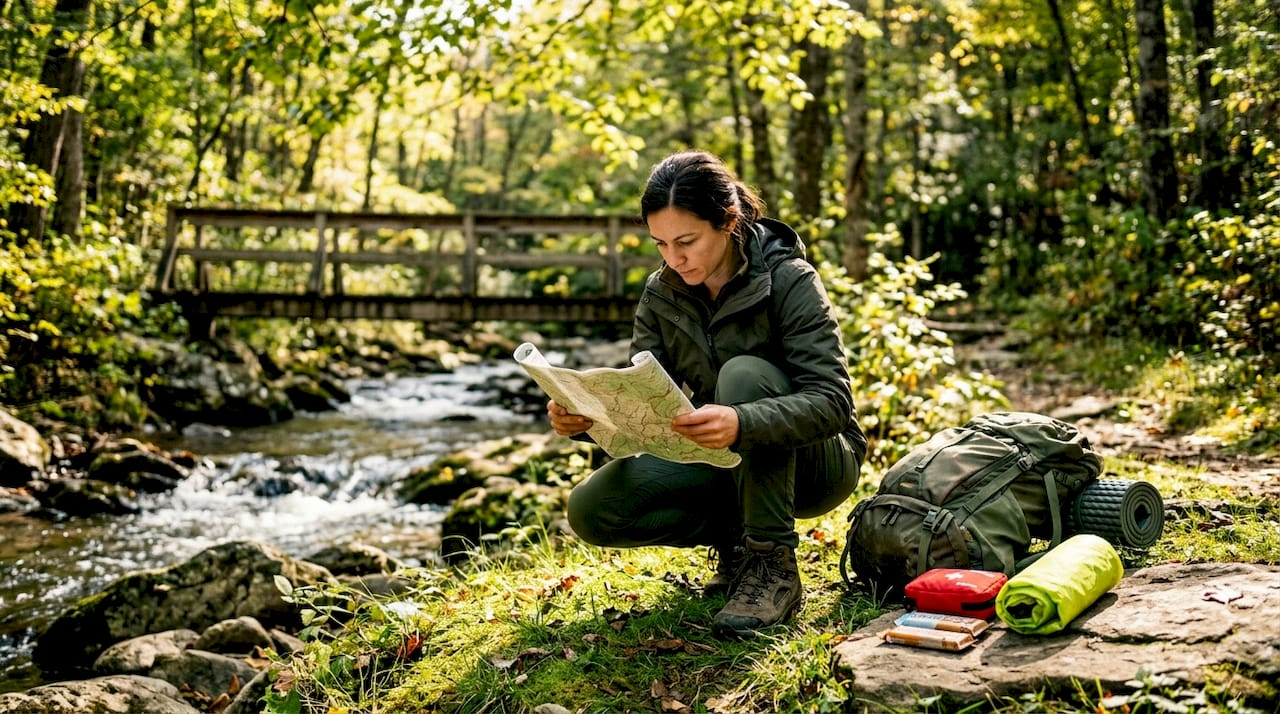
The Ten Essentials are the gold standard for hiking preparedness. The U.S. National Park Service recommends every hiker carry all ten categories before stepping onto any trail.
- Navigation: Topographic map, compass, and a GPS device
- Sun protection: Sunscreen, sunglasses, and a wide-brim hat
- Insulation: Extra layers for unexpected weather changes
- Illumination: Headlamp or flashlight with spare batteries
- First-aid supplies: A compact kit with bandages, antiseptic, and blister care
- Fire starters: Waterproof matches or a lighter for emergency warmth
- Repair kit and tools: Duct tape, a multi-tool, and cord
- Nutrition: Extra food beyond your planned daily intake
- Hydration: Water plus a filter or purification tablets
- Emergency shelter: A lightweight bivy or space blanket
Each item addresses a specific failure point. A headlamp, for example, saves you if a day hike runs long into dusk. A space blanket weighs almost nothing but can prevent hypothermia overnight.
Footwear matters more than most hikers realize. Experienced hikers prefer trail runners or lightweight hiking shoes over heavy boots because they reduce fatigue on long distances. Well-broken-in footwear prevents blisters, which are one of the most common reasons hikers cut trips short.
Pro Tip: Carry a portable power bank and a paper map with a compass as GPS backup. Cell service fails in remote areas, and a dead phone leaves you without navigation.
2. How can hikers maintain situational awareness and avoid trail dangers?
Situational awareness is the practice of stacking small environmental observations to build a clear safety picture. Fresh animal tracks, sudden bird silence, or a change in trail surface all carry information. Hikers who notice these cues early avoid most serious incidents.
Common trail dangers include:
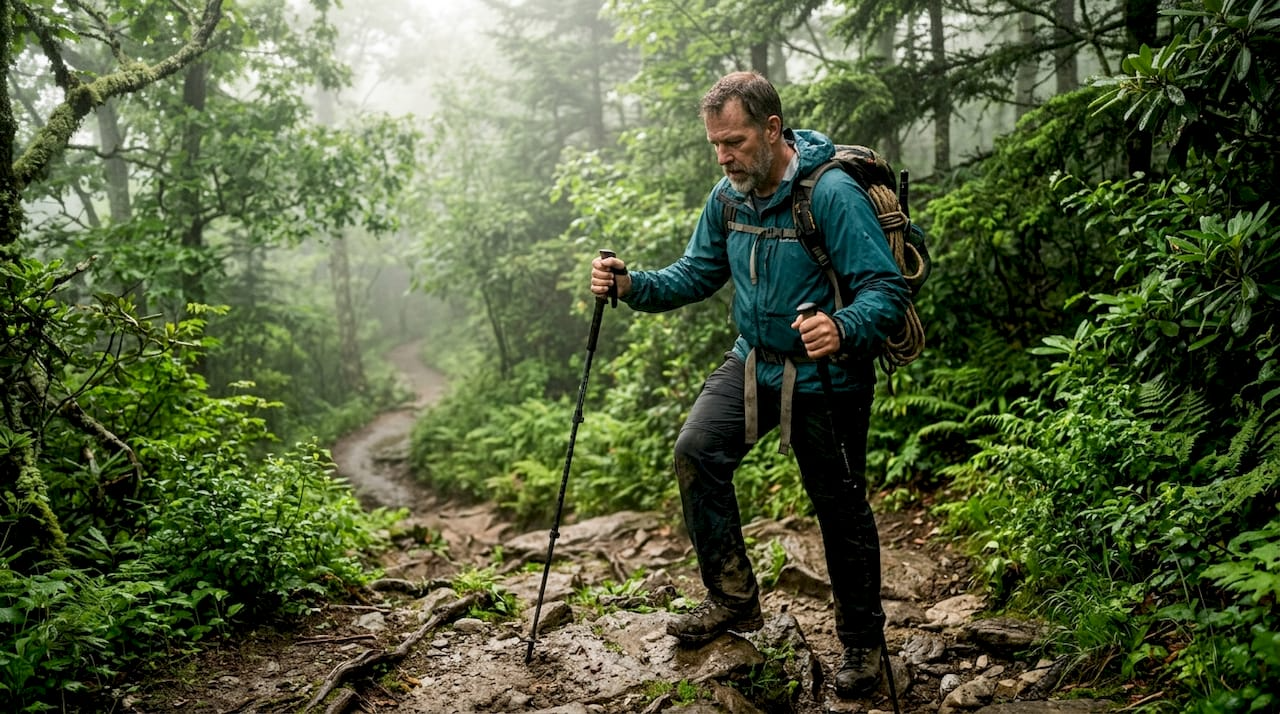
- Slippery descents: Fatigue and inattention make downhill sections the most hazardous phase of any hike
- Wildlife encounters: Surprising animals at close range triggers defensive behavior
- Getting lost: Trails fork, markers fade, and GPS signals drop in canyons or dense forest
- Dehydration and heat exhaustion: Both develop faster than most hikers expect
- Unstable terrain: Loose rock, wet roots, and stream crossings cause most ankle injuries
Experienced hikers learn to detect subtle environmental shifts, such as silence among birds or unfamiliar sounds, that signal a potential threat or change in conditions. Trusting that instinct, rather than dismissing it, is one of the most reliable safety habits on remote trails.
Descent is the most hazardous trail phase because fatigue accumulates and attention drops. Slow your pace on the way down, use trekking poles for stability, and watch for dislodged rocks above you.
Relying only on GPS is a real risk. Knowing how to use a map and compass remains a key survival skill on remote trails. Before your hike, study the route on a paper map so you can navigate if your device fails.
Pro Tip: Observe trailhead conditions before you start. Note the weather, the crowd level, and any posted warnings. That baseline helps you recognize when something changes mid-hike.
3. What hiking etiquette should you follow on multiuse trails?
Trail etiquette is not just courtesy. It prevents collisions, reduces wildlife disturbance, and keeps trails intact for everyone. Trail etiquette guidelines from the Wisconsin DNR and similar agencies establish a clear yield hierarchy.
| Trail user | Yields to |
|---|---|
| Cyclists | All other users |
| Downhill hikers | Uphill hikers and horses |
| Uphill hikers | Horses only |
| Horseback riders | No one (always have right of way) |
Staying on marked trails prevents erosion and keeps you from taking unsafe shortcuts. Shortcuts cut through vegetation, destabilize slopes, and often lead hikers into unmarked terrain where getting lost becomes likely.
Noise discipline matters for wildlife safety. Loud music or shouting can startle animals and disrupt their behavior. In bear country, making steady noise, like talking or clapping, actually reduces surprise encounters. The goal is to be heard, not to be loud for its own sake.
Waste management follows a simple rule: pack it in, pack it out. Leave No Trace principles require you to carry all trash, food scraps, and waste off the trail. Leaving food behind attracts wildlife to high-traffic areas, which creates dangerous habituation.
Solo hikers carry more personal risk than groups. Always share your planned route, trailhead location, and expected return time with someone who is not on the hike. If you are not back by a set time, that person contacts search and rescue.
Pro Tip: When passing other trail users, announce yourself early and yield promptly. A simple "on your left" prevents startled reactions and keeps everyone moving safely.
4. How to prepare for emergencies and unexpected situations while hiking?
Emergency preparedness starts before you leave the trailhead. The steps below reflect recommendations from search and rescue teams and are aligned with outdoor emergency preparation best practices.
- File a trip plan. Tell someone your exact route, trailhead, and expected return time. This single step is the most effective way to trigger a timely rescue if something goes wrong.
- Check the weather forecast. Conditions change fast in mountains and exposed terrain. Check the forecast the morning of your hike, not just the night before.
- Carry signaling devices. A whistle, a signal mirror, and a personal locator beacon (PLB) give rescuers a way to find you. Three whistle blasts is the universal distress signal.
- Pack emergency shelter. A lightweight bivy or emergency blanket weighs under 4 ounces and can prevent hypothermia if you are forced to spend an unplanned night outdoors.
- Bring layered clothing. Temperature drops fast after sunset or during a storm. A waterproof shell and an insulating mid-layer cover most weather scenarios.
- Carry a first-aid kit and know how to use it. Treat blisters before they worsen, clean cuts immediately, and know the signs of heat exhaustion: heavy sweating, weakness, and nausea.
- Hydrate consistently. Experts recommend a minimum of 2 liters of water per person per day on standard hikes, increasing to 1–1.5 liters per hour in extreme heat. Dehydration impairs judgment before you feel thirsty.
- Know when to turn back. A summit is not worth a rescue. If weather closes in, you are behind schedule, or someone in your group is struggling, turning around is the right call.
Pro Tip: Always carry extra food and water beyond your planned needs. Trails take longer than expected, and a calorie deficit accelerates fatigue and poor decision-making.
Physical conditioning also plays a role in emergency prevention. Hikers who cross-train for endurance and stability build the leg strength and balance that prevent falls on technical terrain. Strong ankles and core stability reduce injury risk on uneven ground.
For a full gear checklist before your next trip, the hiking essentials list from Lifecampadventure covers the eight must-have items aligned with the Ten Essentials standard.
Key Takeaways
Safe hiking requires preparation, situational awareness, proper gear, and clear emergency plans working together before and during every trail outing.
| Point | Details |
|---|---|
| Carry the Ten Essentials | Pack all ten categories before every hike, regardless of trail length or difficulty. |
| Hydrate proactively | Drink at least 2 liters per day on standard hikes, more in heat, before thirst sets in. |
| Practice situational awareness | Stack small environmental observations to detect hazards early and trust your instincts. |
| Follow yield hierarchy | Yield to horses first, then uphill hikers, to prevent collisions on multiuse trails. |
| File a trip plan | Tell someone your route and return time before every hike, especially solo outings. |
What I've learned from watching hikers get it wrong
The most common mistake I see on the trail is not poor gear. It is overconfidence in a plan that has no room for error. Hikers set a turnaround time, then ignore it because the summit looks close. They skip the paper map because their phone has a hiking app. They bring exactly enough water for the planned distance, then the trail takes 40 minutes longer than expected.
Situational awareness is the skill that actually prevents most of those problems. When you pay attention to how the trail feels, how the weather is shifting, and how your body is responding, you catch problems when they are still small. A blister caught at mile two is a minor inconvenience. The same blister ignored until mile eight becomes a limping emergency.
Lightweight gear changed how I hike. Swapping heavy boots for well-fitted trail runners cut my fatigue on long days significantly. Carrying a compact beginner hiking guide mindset, where you question every item's weight and purpose, makes your pack smarter without making it lighter at the cost of safety.
The hikers I respect most are not the fastest or the most experienced. They are the ones who turn around without ego when conditions change. Speed and challenge are fine goals. Safety is the non-negotiable one.
— Billy
Gear up right with Lifecampadventure
Every trail safety principle in this article depends on having the right gear in your pack before you leave the trailhead.

Lifecampadventure carries a full range of survival essentials and outdoor gear built for hikers who take preparedness seriously. From emergency shelters and first-aid kits to navigation tools and hydration systems, the catalog covers every category in the Ten Essentials. If you want a structured starting point, the outdoor survival checklist walks you through exactly what to pack for safe trail adventures. Good gear does not replace good judgment, but it gives your judgment something to work with.
FAQ
What are the Ten Essentials for hiking?
The Ten Essentials are navigation, sun protection, insulation, illumination, first-aid supplies, fire starters, a repair kit, nutrition, hydration, and emergency shelter. The U.S. National Park Service recommends carrying all ten on every hike.
How much water should I bring on a hike?
Carry at least 2 liters of water per person per day for standard hikes. In extreme heat, increase that to 1–1.5 liters per hour to prevent dehydration.
What is the most dangerous part of a hike?
Descent is the most hazardous phase because fatigue and inattention peak on the way down, increasing the risk of slips and dislodged rocks. Slow your pace and use trekking poles on downhill sections.
Do I need a paper map if I have a GPS app?
Yes. GPS signals fail in canyons, dense forest, and remote terrain, and phone batteries drain faster in cold weather. A paper map and compass are reliable backups that work without power or signal.
What should I do if I get lost on a trail?
Stop moving, stay calm, and use your whistle to signal for help with three short blasts. If you filed a trip plan before leaving, rescuers will know where to start looking.
