TL;DR:
- Practicing emergency preparedness as a daily habit improves response and reduces panic during crises. Building a kit, creating a family plan, and maintaining community connections ensure faster recovery and better safety. Regularly updating supplies and practicing drills keep families ready for natural disasters and unexpected emergencies.
Emergency preparedness tips are practical steps that reduce risk and protect lives when natural disasters or unexpected crises strike. The core framework covers four pillars: building a supply kit, creating a family plan, staying informed, and practicing readiness. Organizations like FEMA, the Red Cross, and NIST all point to the same foundation. Families who follow these steps recover faster, stay calmer, and make better decisions under pressure. This guide walks through each pillar with specific actions you can take starting today.
1. What should you include in your emergency kit?
A solid emergency kit is the foundation of any disaster preparedness guide. One gallon of water per person per day for at least three days is the standard starting point. That means a family of four needs a minimum of 12 gallons stored and ready.
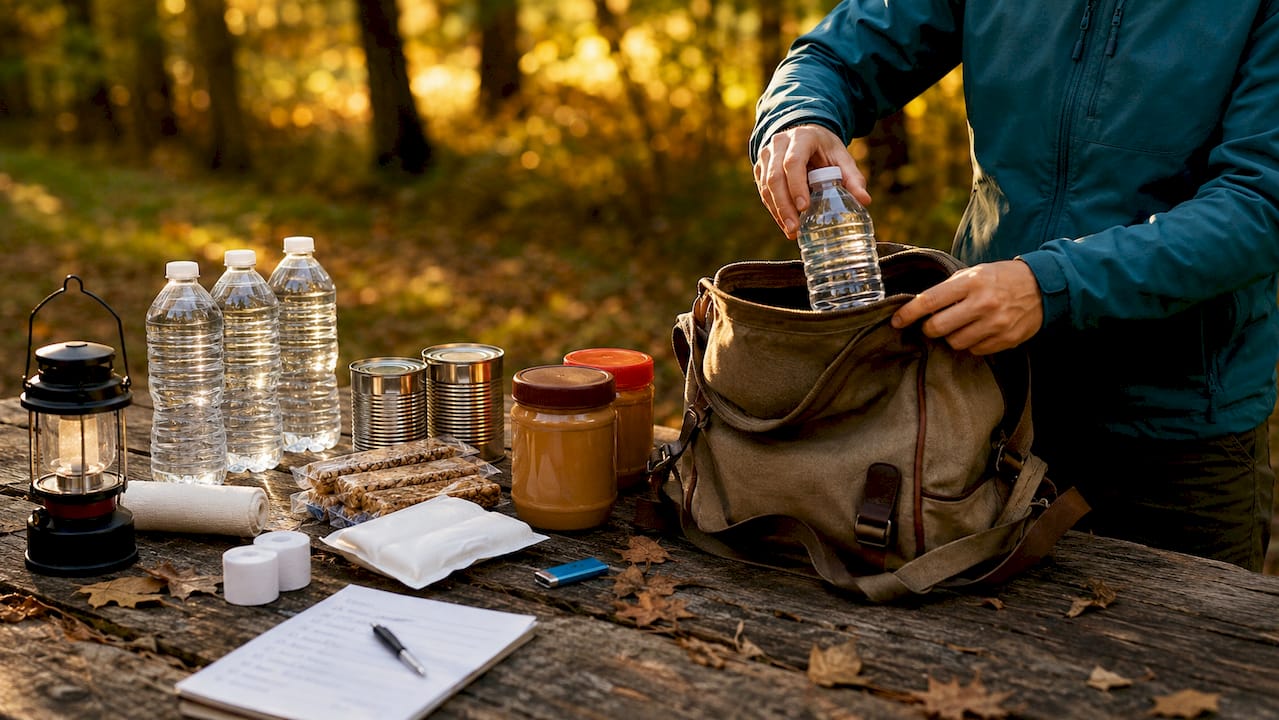
Nonperishable food covers the next gap. Stock items like canned beans, peanut butter, granola bars, and dried fruit. These last long and require no cooking. A manual can opener belongs in every kit.
Your first aid kit essentials should include bandages, antiseptic wipes, gauze, medical tape, pain relievers, and any prescription medications your family uses. Add a battery-powered or hand-crank radio to receive NOAA weather alerts when cell towers go down. Pack extra batteries, a flashlight, and a whistle.
A digital go-bag with encrypted backups of property deeds, insurance policies, and medical records prevents recovery delays after system failures or physical loss. Store these on a password-protected USB drive or a secure cloud service.
Pre-packed pet kits with food, water, medications, and a carrier are critical. Pets without supplies cause evacuation delays that put entire families at risk.
Pro Tip: Add two or three emergency kit items to your regular grocery run each week. Building the kit gradually costs less and feels far less overwhelming than buying everything at once.
2. How do you create an effective family emergency plan?
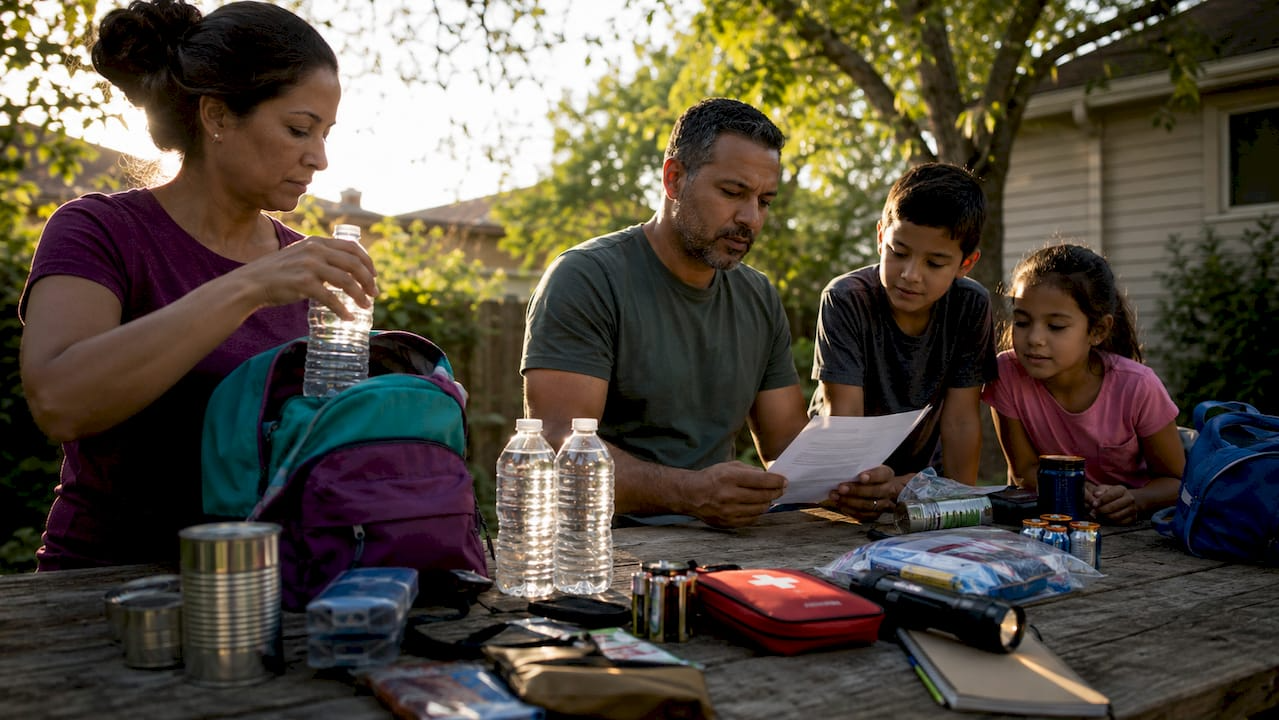
A family emergency plan defines who does what, where everyone meets, and how you communicate when phones fail. Discussing emergency scenarios with family members before a disaster reduces fear and confusion when it counts most. Expert Nicole Errett emphasizes that role clarity is what separates calm families from panicked ones.
Build your plan around these steps:
- Choose two meeting spots. Pick one near your home (a neighbor's yard) and one farther away (a library or community center) in case you cannot return home.
- Write down emergency contacts. Do not rely on phones alone. Every family member should memorize or carry a card with key numbers.
- Map two evacuation routes. Roads close during floods and wildfires. Know your backup before you need it.
- Assign roles. One adult grabs the kit. One accounts for children or elderly family members. One checks on pets.
- Practice the plan twice a year. A drill takes 20 minutes and makes the real thing feel familiar instead of terrifying.
Building social capital through neighborhood group chats and shared contact lists extends your safety net beyond your front door. NIST advocates community networks as a core preparedness strategy. A neighbor with a generator or a truck can be the difference between staying safe and being stranded.
Pro Tip: Walk through the emergency plan mentally before bed one night each month. Visualization builds the same mental pathways as a physical drill, and it takes less than two minutes.
3. What safety measures work during severe weather events?
Natural disaster safety during hurricanes, tornadoes, and winter storms requires specific actions, not general caution. State Farm recommends sheltering on the lowest floor or in a basement during high winds, away from windows and glass doors. The middle of the home offers the most structural protection.
Key actions to take before and during severe weather:
- Monitor alerts through NOAA Weather Radio or the FEMA app. Do not wait for a neighbor to tell you a storm is coming.
- Fill bathtubs with water before a hurricane. This gives you a backup supply for flushing and cleaning if pipes fail.
- Charge all devices and portable power banks before a storm makes landfall.
- Move outdoor furniture, grills, and decorations inside. Flying objects cause serious injuries and property damage.
- Keep a survival checklist posted in a visible spot so no step gets skipped under pressure.
Winter storms add specific risks. Insulate exposed pipes with foam sleeves before temperatures drop. Avoid shoveling snow if you have heart conditions. Call 911 for life-threatening emergencies and text 911 when speaking is unsafe or impossible.
4. How should you maintain and update your kit over time?
Emergency preparedness is an ongoing lifecycle, not a one-time checklist. A kit built three years ago and never touched is not a safety net. It is a false sense of security.
Follow this maintenance schedule:
- Annually: Rotate all food and water supplies. Replace anything past its expiration date. Tap water stored in sealed containers should be refreshed every six to twelve months.
- Every six months: Check batteries in flashlights, radios, and smoke detectors. Replace medications that have expired or changed dosage.
- Twice a year: Review and rehearse your family emergency plan. Update contact numbers, meeting spots, and evacuation routes as your life changes.
- After any major life event: A new baby, a new pet, a move, or a medical diagnosis changes what your kit and plan need to include.
Keep a small amount of emergency cash in your kit. ATMs and card readers fail during power outages. Small bills work better than large ones when change is scarce.
Pro Tip: Set a calendar reminder every october and april to review your kit. Tying maintenance to a fixed date makes it a habit instead of a task you keep postponing.
5. What mistakes do people make in emergency preparedness?
The most common mistake is trying to build a complete kit in a single shopping trip. Experts recommend chipping away at the list gradually during routine shopping. One or two items per week adds up fast without the sticker shock.
Other frequent gaps include:
- Forgetting pets. Evacuation plans that do not account for animals create dangerous delays. Pack a separate pet kit and know which shelters accept animals.
- Skipping drills. A plan no one has practiced is a plan no one will follow correctly under stress.
- Ignoring digital documents. Physical copies of insurance and medical records can be destroyed in a fire or flood. Encrypted digital backups survive when paper does not.
- No cash on hand. Power outages disable card readers. Keep at least $50–$100 in small bills in your kit.
- Relying only on one alert source. Cell service fails during major disasters. A battery-powered radio gives you NOAA alerts when your phone cannot.
"The families that recover fastest are the ones who treated preparedness as a habit, not an event." This mindset shift is what separates those who respond well from those who freeze.
Key takeaways
Effective emergency preparedness requires a maintained kit, a practiced plan, real-time weather awareness, and community connections working together.
| Point | Details |
|---|---|
| Build your kit gradually | Add two to three items per shopping trip to avoid overwhelm and spread the cost. |
| Practice your plan twice a year | Drills reduce fear and make the right actions automatic when a real emergency hits. |
| Never use fuel-burning devices indoors | Generators and grills produce carbon monoxide, which is odorless and deadly. |
| Rotate supplies annually | Expired food, water, and medications make your kit unreliable when you need it most. |
| Include pets and digital documents | Pre-packed pet kits and encrypted document backups prevent evacuation delays and recovery setbacks. |
What I have learned from years of preparing for the unexpected
Why preparedness is a practice, not a project
Most people treat emergency preparedness like a home improvement project. They buy a kit, check a box, and move on. That approach fails almost every time. The families I have seen handle crises well share one trait: they treat readiness as something they maintain, not something they completed.
The detail that surprises people most is how much the mental side matters. Knowing your plan reduces panic. Panic is what causes injuries during evacuations, not the emergency itself. When you have walked through the steps, even in your head, your brain does not have to improvise under pressure.
Involving children changes the dynamic entirely. Kids who know the meeting spot and understand their role feel less scared, not more. They become part of the solution instead of an additional variable to manage.
The community piece is underrated. Knowing your neighbors, sharing contact information, and having a rough sense of who has what skills or resources on your block creates a safety net that no kit can replace. NIST calls this social capital, and it is one of the most effective preparedness tools available at zero cost.
Start small. Add one item to your kit this week. Walk your evacuation route this weekend. Text a neighbor and exchange numbers. Preparedness built in small steps holds up far better than a kit assembled in a panic the night before a storm.
— Billy
Gear that makes emergency preparedness easier
Real readiness means having gear you can trust when conditions get difficult. A quality water filter, a durable emergency kit, and a reliable portable stove are not camping luxuries. They are tools that perform when the power grid does not.

Lifecampadventure carries survival kits and essentials built for exactly these situations, from compact go-bags to full family emergency setups. Every product is selected for durability, ease of use, and real-world performance. For a broader look at what belongs in your pack, the outdoor gear guide at Lifecampadventure covers survival essentials with honest, experience-backed recommendations. Good gear does not replace a good plan. It makes the plan work.
FAQ
What is the first step in emergency preparedness?
Build a supply kit with at least three days of water, food, and first aid supplies. NIST recommends starting with one gallon of water per person per day as the baseline.
How often should you update your emergency kit?
Rotate food and water at least once a year and check batteries every six months. Review your full family emergency plan at least twice a year to keep it current.
What should a family emergency plan include?
A family plan needs two meeting locations, written emergency contacts, two evacuation routes, and assigned roles for each family member. Practice the plan twice a year so everyone knows what to do without being told.
Are pets included in emergency evacuation planning?
Yes. Pre-packed pet kits with food, water, and supplies are critical because unprepared pet owners cause evacuation delays that affect the whole family.
What is the biggest mistake people make in disaster preparedness?
Trying to build a complete kit all at once. Experts at National Geographic recommend adding items gradually during regular shopping trips to reduce cost and stress.
