TL;DR:
- Compact cookware is lightweight, space-saving, and designed specifically for outdoor cooking needs.
- Different types and materials suit various trips, with trade-offs in weight, capacity, and cooking performance.
- Proper selection and organization of cookware optimize pack weight, meal prep, and overall outdoor camping experience.
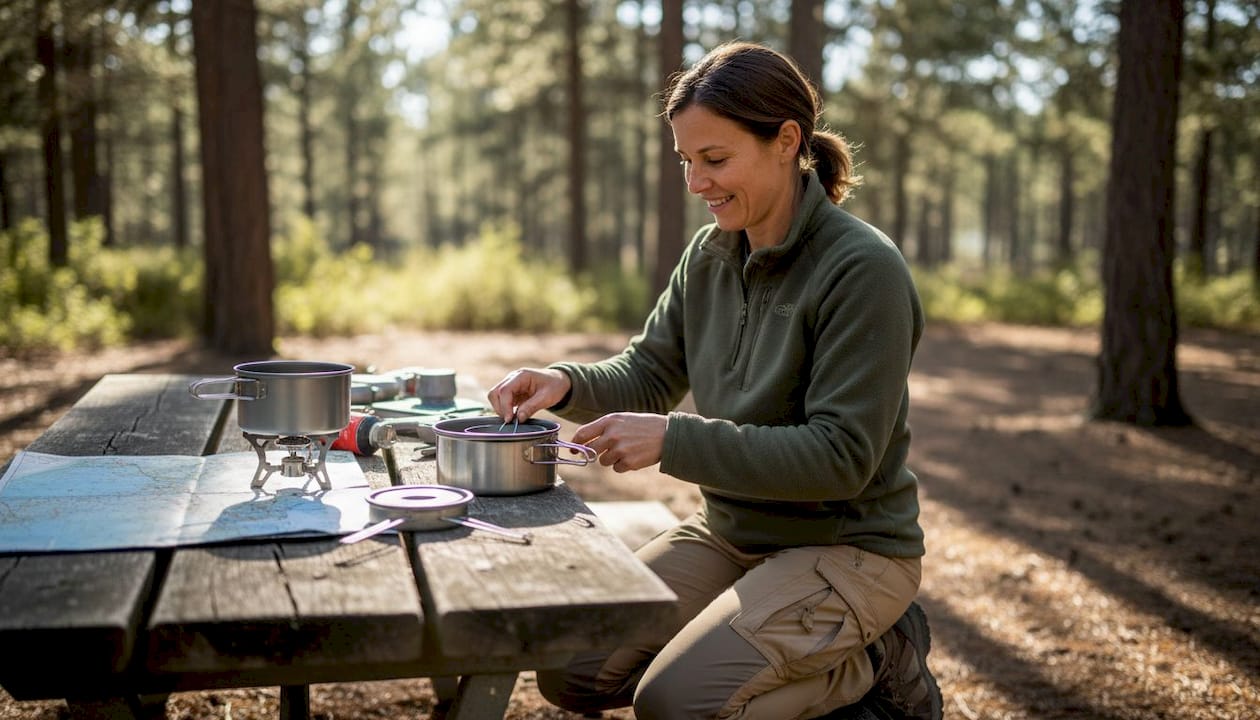
Hauling a full set of pots and pans into the backcountry is a mistake most campers only make once. The weight adds up fast, the bulk eats into your pack space, and by day two, you're questioning every life choice that led you here. Compact cookware solves this problem directly. It's purpose-built for outdoor cooking, designed to weigh less, pack smaller, and perform better in the field than anything you'd grab from a kitchen cabinet. In this guide, we'll break down what compact cookware actually is, which types suit different trips, how materials affect performance, and how to pack it all without wasting an inch of space.
Key Takeaways
| Point | Details |
|---|---|
| Compact cookware defined | Compact cookware is lightweight, space-saving, and designed for outdoor cooking convenience. |
| Key types explained | Various sets and materials cater to different needs, including backpacking and group camping. |
| Material influences performance | The right cookware material impacts how easy it is to carry, cook, and clean up after meals outdoors. |
| Efficient packing tips | Nesting, careful selection, and smart packing help minimize weight and maximize utility. |
| Match gear to trip | Best results come from choosing cookware based on your specific adventure, not just trends. |
What is compact cookware?
Compact cookware is any cooking equipment built to minimize both weight and volume without sacrificing the ability to prepare real meals outdoors. That definition sounds simple, but the engineering behind it is surprisingly specific. These aren't just smaller versions of regular pots. They're lightweight and space-saving systems designed from the ground up for outdoor cooking conditions.
Traditional kitchen pots and pans fail outdoors for a few clear reasons. They're heavy, they don't stack efficiently, and their long fixed handles become a packing nightmare. A standard stainless steel pot can weigh over a pound on its own. Multiply that across a full set and you're carrying three to five pounds of cookware before you've packed a single meal.
Compact cookware sidesteps all of that through smart design. Common features include:
- Nesting construction so pots, pans, and lids stack inside each other
- Folding or removable handles that collapse flat against the cookware body
- Lids that double as plates or pans to reduce total piece count
- Integrated stuff sacks or pouches to keep everything together in your pack
- Minimal wall thickness using high-performance materials to cut weight
These features matter most when you're working with strict weight limits. Backpackers typically aim to keep their base pack weight under 20 pounds. Every ounce counts, and cookware is one of the easiest places to cut weight without giving up comfort.
"Compact cookware is designed specifically to be lightweight and space-saving for outdoor cooking, making it the go-to choice for anyone serious about backcountry travel."
The difference between a standard pot and a compact nesting set can be two to three pounds of saved weight. On a five-day trip, that's the difference between arriving at camp feeling strong or arriving exhausted.
For anyone exploring backcountry cooking explained for the first time, or anyone thinking about upgrading camp cookware from whatever they've been using, compact cookware is the most impactful single change you can make to your outdoor kitchen setup.
Compact cookware also shines on multi-day trips where resupply isn't an option. When you're carrying everything you need for four or five days, saving space in your pack means more room for food, layers, and safety gear.
Types of compact cookware: options and trade-offs
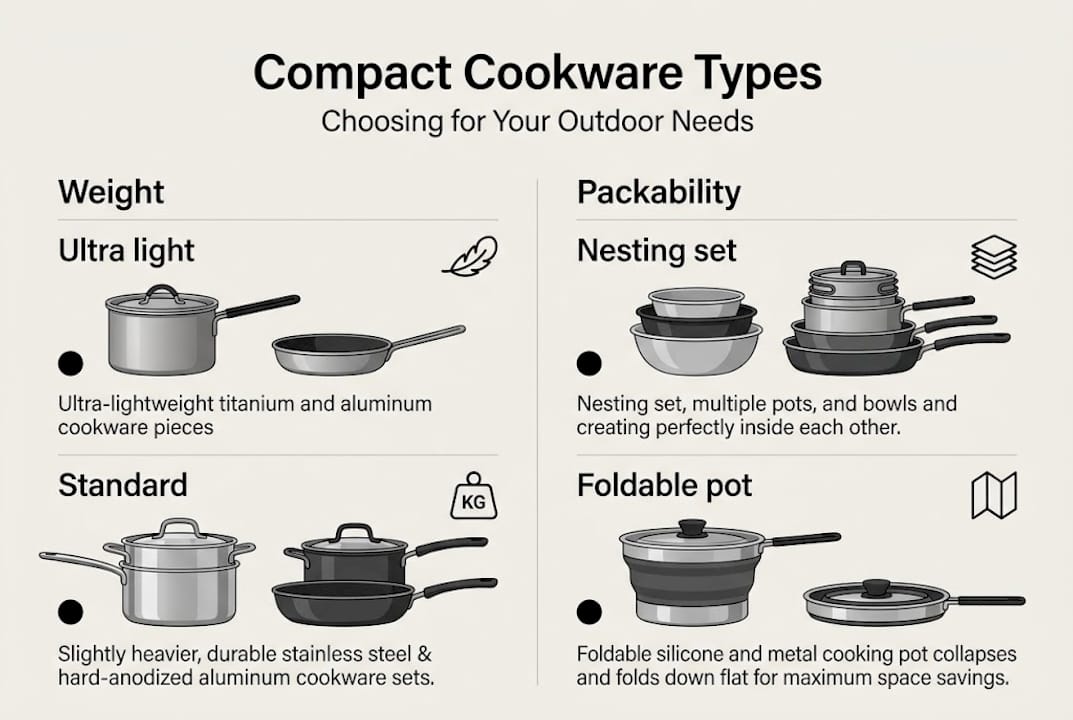
Not all compact cookware is the same, and the space, weight, and cooking performance trade-offs vary significantly between types. Knowing what's available helps you pick the right setup for your specific trip.
Here's a quick breakdown of the main categories:
- Solo nesting sets: One or two pots with a lid that doubles as a pan. Ideal for solo backpackers who want minimal gear.
- Group nesting sets: Multiple pots in graduated sizes that stack together. Great for families or groups of two to four people.
- Modular systems: Mix-and-match components that can be configured differently for each trip.
- Integrated stove-pot systems: A compact stove that fits directly under or inside the pot. Extremely efficient but less flexible for cooking variety.
- Mugs and cups: Titanium or stainless steel mugs that double as cooking vessels for boiling water or making simple meals.
- Sporks and combo utensils: Lightweight utensil sets that combine fork, spoon, and sometimes knife in one piece.
Here's how the main types compare across key factors:
| Type | Weight | Pack size | Best for | Trade-off |
|---|---|---|---|---|
| Solo nesting set | Very light | Very small | Solo trips | Limited capacity |
| Group nesting set | Moderate | Compact | Families, groups | Heavier than solo |
| Integrated system | Light | Very small | Ultralight backpacking | Less cooking variety |
| Modular system | Varies | Varies | Mixed trip types | Requires planning |
| Mug/cup only | Ultralight | Minimal | Minimalist setups | Extremely limited |
For car camping, the weight restriction is less critical, so a group nesting set with more capacity makes sense. For ultralight backpacking, an integrated system or solo set is the smarter call. Pair your cookware choice with the right portable camp stoves to complete your outdoor kitchen.
Browsing camping cookware reviews before you buy is always worth the time. Real-world feedback on heat distribution, handle durability, and lid fit can save you from a frustrating purchase.
Pro Tip: Choose a set where every component nests perfectly inside the largest pot. If anything sticks out or rattles loose, it'll shift in your pack and waste space you can't afford to lose.
Materials and durability: How to choose for your needs
The weight, heat distribution, and longevity of your cookware all come down to material choice. This is where a lot of campers get tripped up, because the lightest option isn't always the best option for every trip.
Here's a comparison of the four most common materials:
| Material | Weight | Durability | Heat distribution | Cost |
|---|---|---|---|---|
| Aluminum | Light | Moderate | Excellent | Low |
| Titanium | Ultralight | Very high | Poor | High |
| Stainless steel | Heavy | Excellent | Good | Moderate |
| Silicone | Very light | Moderate | Poor | Low |
Let's break down each one:
- Aluminum: The most popular choice for budget-conscious backpackers. It heats up fast and distributes heat evenly, which means fewer hot spots and better cooking results. Hard-anodized aluminum adds scratch resistance and reduces reactivity with acidic foods.
- Titanium: The gold standard for ultralight setups. A titanium pot can weigh half as much as an aluminum equivalent. It's incredibly strong and resists corrosion. The downside is poor heat distribution, which can cause food to burn in spots if you're not careful.
- Stainless steel: Tough, reliable, and easy to clean. It handles rough treatment better than aluminum and doesn't dent as easily. The trade-off is weight. Stainless steel cookware is noticeably heavier, making it better suited for car camping than backpacking.
- Silicone: Used mainly for collapsible bowls, cups, and pot handles rather than cooking surfaces. It's flexible, lightweight, and heat-resistant, but not suitable for direct flame cooking.
Pro Tip: Titanium is the lightest material available, but its poor heat distribution means you need to stir constantly and use lower heat. Stainless steel takes more weight but forgives cooking mistakes better. Match the material to your cooking style, not just your scale.
Cleaning also varies by material. Aluminum and titanium are both relatively easy to clean in the field with a little water and a soft cloth. Stainless steel can handle more aggressive scrubbing without damage. Understanding cookware upgrade benefits helps you see why investing in the right material pays off over dozens of trips. Pair your cookware selection with knowledge about portable stoves to build a complete, efficient outdoor cooking system.
How to select and pack compact cookware for your trip
Careful selection and organization of cookware can cut pack weight and meal prep time significantly. Here's a practical step-by-step process to make sure you bring exactly what you need and nothing more.- Assess your cooking needs: Will you be boiling water for freeze-dried meals or actually cooking? Boiling-only trips need far less cookware than trips with real meal prep.
- Count your group: Solo trips need one small pot. Groups of three or four need at least two pots and a larger pan.
- Plan your meals: Write out every meal before you pack. If every dinner is a one-pot recipe, you don't need a frying pan.
- Choose your core pieces: Based on steps one through three, select the minimum number of pieces that cover every planned meal.
- Verify nesting: Lay out all your pieces and confirm they nest cleanly before packing. If something doesn't fit, leave it behind or swap it out.
Once you've selected your cookware, packing it efficiently matters just as much:
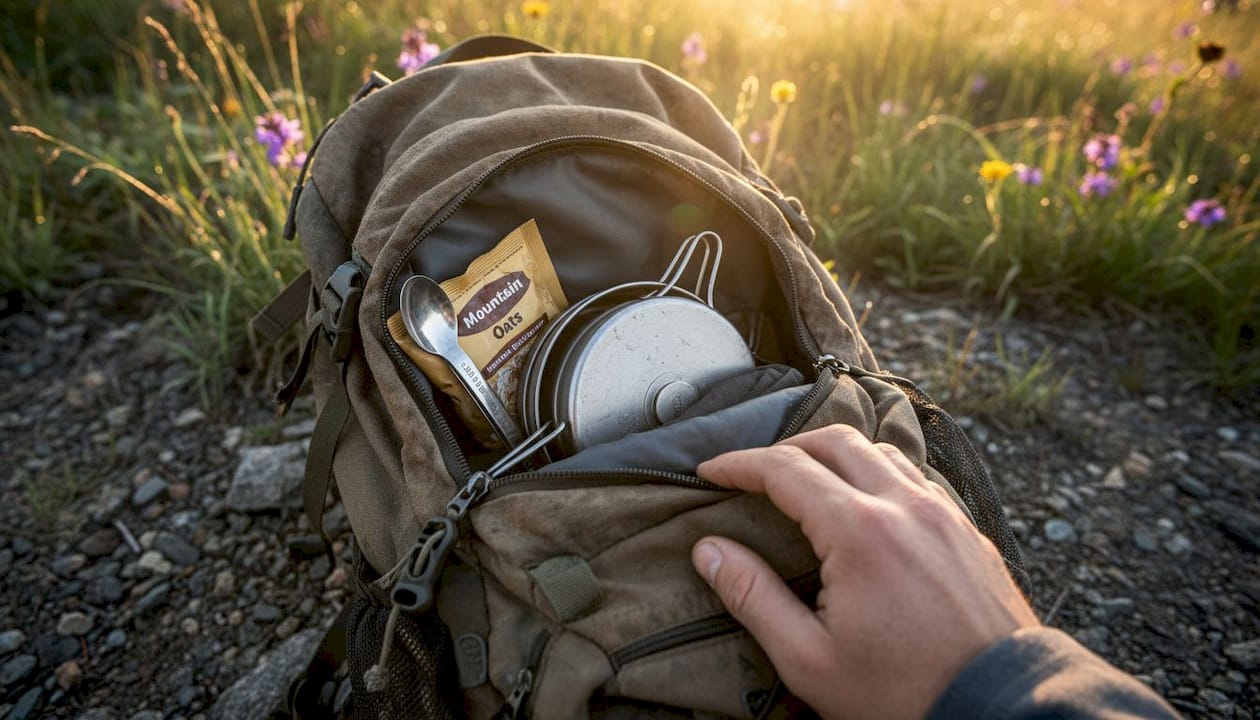
- Store utensils, a lighter, and a small sponge inside the largest pot
- Use the included stuff sack or a mesh bag to keep pieces together
- Place the nested set near the center of your pack, close to your back, for better weight distribution
- Wrap the set in a microfiber towel to protect surfaces and save space on a separate towel
"Careful selection and organization of cookware can cut pack weight and meal prep time, giving you more energy for the trail and less time fumbling at camp."
For odor control, rinse cookware immediately after meals and let it air dry before packing. A small amount of biodegradable soap goes a long way. Check out our full guide on meal prep for backpacking for a deeper look at planning meals around your cookware setup. The camp cooking essentials list is another great resource for making sure nothing critical gets left behind. And if you want to level up your cooking results in the field, these outdoor cooking tips will help you get more out of every meal.
Why smart compact cookware choices make or break your outdoor experience
Here's what most gear guides won't tell you: the lightest cookware set in the world is useless if it doesn't match how you actually cook. We see this constantly. Someone buys a titanium solo pot because it's the lightest option available, then spends three days eating burnt oatmeal because titanium's poor heat distribution doesn't work with their cooking style.
The real mistake isn't buying cheap gear or heavy gear. It's buying gear that doesn't fit the trip. A group of four trying to cook pasta in a 1-liter solo pot is going to have a miserable dinner. Someone car camping with an ultralight titanium set is carrying a premium price tag for zero benefit.
True outdoor cooking success comes from matching your cookware to your specific trip style, group size, and meal plan. Check your camping meal prep tips before you finalize your gear list. What you actually use and enjoy beats what looks impressive in a gear photo every single time. Evaluate your needs honestly, resist the pull of trends, and pack only what earns its weight.
Explore top-rated compact cookware and camping gear
Ready to go further with your research and gear up smartly? Choosing the right compact cookware is easier when you have detailed, honest reviews to guide you. At Life Camp Adventure, we test and compare real gear so you can make confident decisions before you buy.
Explore our full collection of camp cookware reviews to find the best nesting sets, solo pots, and group kits for every trip type. If you're building out your full outdoor kit, our best camping gear comparison covers everything from shelter to cooking systems. We're here to help you pack smarter and cook better, wherever the trail takes you.
Frequently asked questions
What makes cookware 'compact' for camping?
Compact cookware is designed to be lightweight and easily packed, often featuring nesting parts and foldable handles, making it ideal for camping or backpacking where space and weight are limited.
Which materials are best for compact cookware?
Titanium is the lightest and most durable but comes at a higher price, while aluminum and stainless steel offer a solid balance of weight, cooking performance, and affordability for most campers.
How do I pack compact cookware efficiently?
Nesting pots, using pouches, and stowing utensils inside cookware are the most effective ways to maximize space and keep your pack organized on any trip.
Is compact cookware suitable for car camping too?
Absolutely. Compact cookware offers real versatility and saves space even in car camping setups, and the trade-offs between types mean there's a good option for families and groups as well as solo adventurers.
Where can I read reviews of top compact cookware sets?
You can find in-depth reviews and side-by-side comparisons of leading compact cookware sets at Life Camp Adventure, where our camping cookware reviews cover performance, weight, durability, and value across the top options available in 2026.
