TL;DR:
- A car camping packing list should prioritize six essential items: a tent, sleeping bag, sleeping pad, cooler, camp chair, and headlamp. Proper organization and pre-trip setup enhance comfort and efficiency, preventing frustration during the trip. Building your gear gradually and using the LIFO packing method allows for a smoother and more enjoyable outdoor experience.
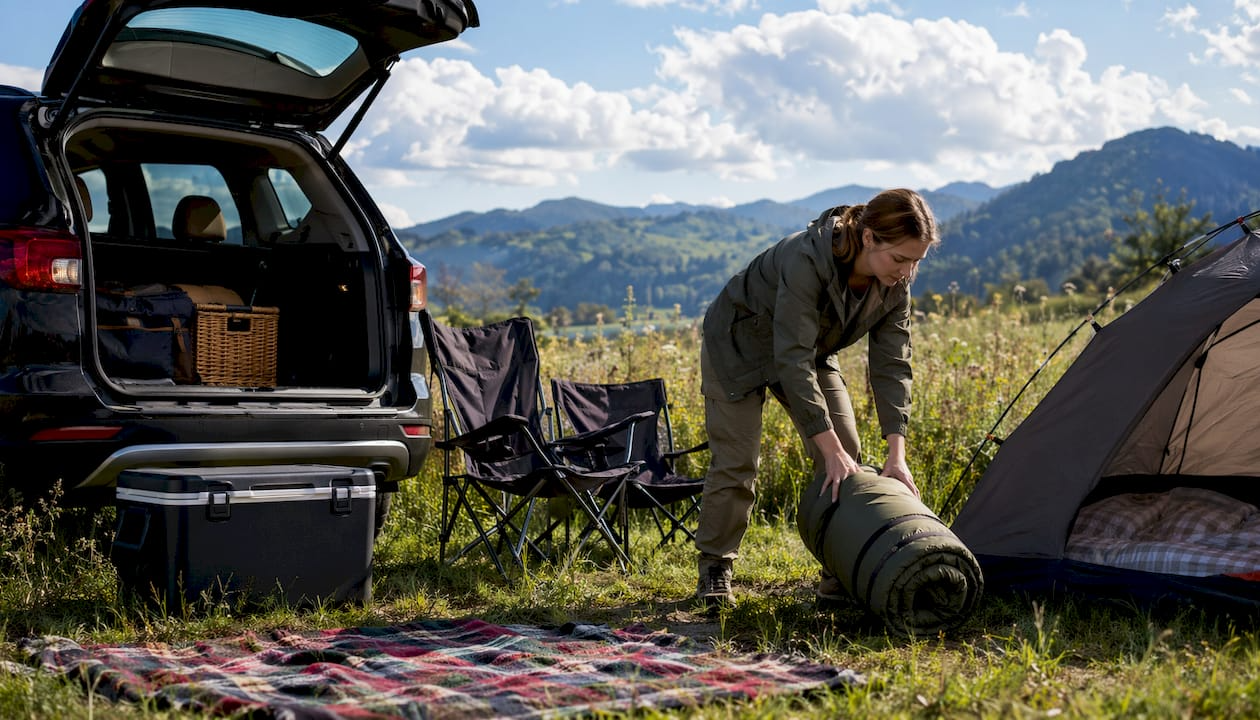
A car camping packing list is the single most important thing you prepare before leaving home. Unlike backpacking, car camping lets you bring real comfort gear without weight penalties. That freedom is also the trap. Without a solid camping checklist for car trips, you end up with three spatulas and no tent stakes. This guide covers every category you need, from shelter and sleep to safety and packing strategy, so you arrive at your campsite ready instead of scrambling.
1. What belongs on your car camping packing list first?
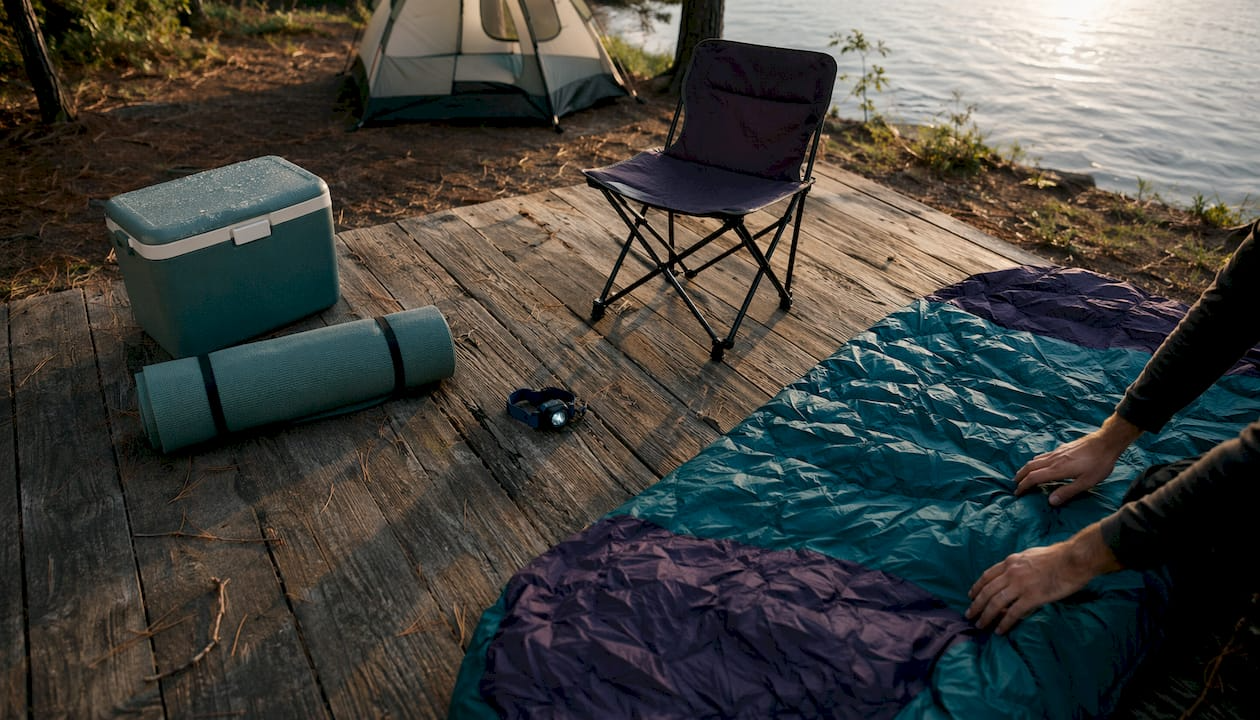
The six non-negotiable items on any car camping gear list are a tent, sleeping bag, sleeping pad, cooler, camp chair, and a headlamp rated at 200–300 lumens. These items cover shelter, sleep, food safety, seating, and nighttime visibility. Everything else builds on this foundation. A full beginner setup runs from $250 on the budget end to $650 for higher-quality gear. Start with these six before adding anything else to your list.
2. Shelter and sleeping essentials
Choosing the right tent is the first real decision on your car camping essentials list. Outdoor experts recommend sizing up by one person so you have room to store gear inside and move comfortably. A four-person tent for a group of three keeps your bags dry and off the ground when rain hits.
Sleeping bags and pads matter just as much as the tent itself. A sleeping bag rated 10 degrees below the expected overnight low keeps you warm when temperatures drop unexpectedly. Ground cold pulls heat away from your body faster than cold air does. A quality sleeping pad with at least 3 inches of thickness blocks that ground cold effectively.
- Tent: Size up by one person from your actual group size
- Sleeping bag: Rated at least 10°F below the forecasted overnight low
- Sleeping pad: Minimum 3-inch thickness for insulation
- Pillow: A compressible camping pillow or a stuff-sack filled with clothes
- Camp blanket: Optional, but worth it for cool mornings
Pro Tip: Set up your tent in the backyard before your trip. A dry run tent setup lets you find missing poles or broken clips at home, not at the campsite after dark.
3. Kitchen and cooking gear for camp
A functional camp kitchen starts with a reliable stove. A two-burner propane stove handles most meals and works well for groups. Bring one extra fuel canister beyond what you think you need. Running out of fuel on day two of a three-day trip is a common and avoidable mistake.
Your car camp food ideas only work if your cooler does its job. Pre-chilling your cooler for 12–24 hours before you leave home extends ice retention from under 24 hours to 3–5 days. Use block ice on the bottom and cubed ice on top for the best results. Pack food in waterproof bags to prevent soggy meals when ice melts.
- Two-burner propane stove and extra fuel
- Pot, pan, and lid (a 2-quart pot and a 10-inch skillet cover most meals)
- Utensils: Spatula, tongs, knife, cutting board, and a can opener
- Plates, bowls, and mugs (enamel or hard plastic holds up well)
- Cooler with block ice and a separate drinks cooler if possible
- Biodegradable soap, sponge, and a collapsible wash basin
- Trash bags and a food storage bin with a tight lid
Pro Tip: Pre-measure spices and dry ingredients at home and store them in small labeled bags. This cuts prep time at camp and keeps your cooking workflow clean and fast.
4. Comfort and campsite life gear
Camp chairs are not optional. Stable, ergonomic chairs prevent back pain during long evenings around the fire. Cheap, flimsy chairs collapse under real use and ruin the experience. Spend a little more on a chair with armrests and a solid frame. You will sit in it for hours, so treat it like furniture.
"The difference between a good camping trip and a miserable one often comes down to whether you can sit comfortably for two hours after dinner. A quality camp chair does more for morale than almost any other piece of gear."
Lighting and layering round out your comfort setup. A headlamp keeps your hands free for cooking and setting up at night. A lantern lights the whole campsite for group activities. For clothing, pack one more layer than you think you need. Temperatures at campsites drop faster than forecast, especially near water or at elevation. A pair of compact camping chairs that fold flat take up minimal trunk space and pay off every night of the trip.
- Camp chairs: One per person, ergonomic with armrests
- Folding camp table: Keeps food prep off the ground
- Headlamp: 200–300 lumens with fresh batteries
- Lantern: Battery or propane for group lighting
- Outdoor rug or mat: Keeps dirt out of the tent entrance
- Hammock: Optional, but a great addition near trees
- Citronella oil or bug spray: Natural options like citronella essential oil work well for keeping insects away from your campsite
5. Safety, navigation, and emergency gear
Safety gear is the category most campers underpack. A first aid kit should include bandages, antiseptic wipes, blister treatment, pain relievers, and any personal medications. A multi-tool covers cuts, repairs, and dozens of unexpected tasks. A fire extinguisher rated for Class A, B, and C fires belongs in the car, not just at home.
Navigation gear matters even with a phone signal. Cell coverage disappears in many camping areas without warning. Carry a physical map of the area and a compass as backup. A battery-powered or hand-crank emergency radio gives you weather alerts when you cannot get a signal.
Pro Tip: Pack a dedicated "go bag" with your first aid kit, headlamp, snacks, and a phone charger. Keep it in the back seat, not the trunk. When you arrive after dark, you grab one bag and have everything you need immediately.
| Safety Item | Why It Matters |
|---|---|
| First aid kit | Handles cuts, blisters, and minor injuries on-site |
| Multi-tool | Covers repairs, food prep, and gear fixes |
| Fire extinguisher | Required at many campgrounds; critical for safety |
| Physical map and compass | Works without cell signal or battery |
| Jumper cables and traction mat | Handles dead batteries and soft ground situations |
| Bear canister or hang bag | Required in many parks; protects food and campsite |
Vehicle prep is part of your car camping supplies list. Jumper cables, a traction mat, and a basic tire repair kit belong in the trunk. A dead battery in a remote campground is a serious problem, not just an inconvenience.
6. How to efficiently pack and organize your gear
Organizing gear into labeled bins by category, such as kitchen, sleeping, and tools, cuts setup time and reduces the chaos of unpacking. Use clear plastic bins so you can see contents without opening everything. Duffel bags work well for soft items like clothing and sleeping bags.
The Last In, First Out (LIFO) method is the most effective packing strategy for car camping. Items you need first at camp, like chairs, the cooler, and your headlamp, go in last so they come out first. Tent and sleeping gear go in early since you set those up before anything else. This method cuts arrival chaos and gets your campsite functional in under 30 minutes.
- Load sleeping gear and tent first, pushed to the back of the trunk
- Add kitchen bins and the cooler next
- Place chairs, the lantern, and the go bag last for immediate access
- Distribute weight evenly across the vehicle floor for stable driving
- Keep one bag in the back seat with snacks, water, and a phone charger for the drive
Pro Tip: Build your kit over multiple trips rather than buying everything at once. Start with the six core items, then add comfort and convenience gear as you identify what you actually need. This approach from packing light guides saves money and prevents clutter.
Key takeaways
A complete car camping packing list covers six core categories: shelter, sleep, cooking, comfort, safety, and organization, with the LIFO packing method and pre-chilled cooler delivering the biggest practical gains.
| Point | Details |
|---|---|
| Size up your tent | Choose a tent rated one person larger than your group for gear storage and comfort. |
| Rate your sleeping bag cold | Select a bag rated 10°F below the forecasted overnight low to stay warm. |
| Pre-chill your cooler | Cool your cooler 12–24 hours before departure to extend ice life to 3–5 days. |
| Use the LIFO method | Pack last-needed items first so chairs, cooler, and headlamp come out immediately on arrival. |
| Build a go bag | Keep first aid, headlamp, and snacks in one bag in the back seat for fast nighttime access. |
What I've learned after years of car camping trips
The biggest mistake I see new campers make is treating the packing list as a shopping list rather than a system. They buy everything at once, stuff it all in the car, and spend the first hour of every trip digging through bags looking for the can opener. Organization is the skill, not the gear.
The second mistake is skipping the dry run. I set up every tent I own at least once in the yard before a trip. I have found broken zippers, missing stakes, and a rainfly with a tear that would have soaked my sleeping bag on a rainy night. Ten minutes at home saves two hours of frustration at the campsite.
The third thing I have learned is that comfort gear earns its weight. A good chair, a real lantern, and a folding table change the feel of a campsite from survival mode to actual relaxation. Car camping is not backpacking. You have the space. Use it wisely.
Customize your list to your trip length and destination. A one-night trip near a developed campground needs far less than a four-day trip in a remote area. The camp setup workflow you build over time becomes faster and more personal with every trip you take.
— Billy
Gear worth having before your next trip
Planning your next car camping trip is much easier when you know your gear is reliable before you leave the driveway.
Lifecampadventure covers the full range of what you need, from tent comparisons that match tent size to group size, to cookware reviews that help you pick the right stove and pot setup for your cooking style. The best camping gear guide breaks down top-rated options across every category on this list. Whether you are building your first kit or upgrading specific pieces, Lifecampadventure gives you the information to choose gear that holds up in the field.
FAQ
What are the six must-have items for car camping?
The six core items are a tent, sleeping bag, sleeping pad, cooler, camp chair, and a headlamp rated at 200–300 lumens. These cover shelter, sleep, food safety, seating, and nighttime visibility.
How do I keep food cold longer on a car camping trip?
Pre-chill your cooler for 12–24 hours before departure using sacrificial ice. A pre-chilled cooler maintains cold for 3–5 days, while a warm cooler melts ice in under 24 hours.
What sleeping bag temperature rating should I choose?
Choose a sleeping bag rated at least 10°F below the expected overnight low temperature. Ground cold drains body heat faster than air cold, so a warmer-rated bag is always the safer choice.
How should I pack my car for camping?
Use the Last In, First Out method. Load sleeping gear and the tent first, then kitchen bins, and place chairs, the cooler, and your go bag last so they are the first things you reach when you arrive.
How much does a beginner car camping setup cost?
A basic setup runs from $250 on the budget end to $650 for higher-quality gear. Prioritize the six core items first and add comfort gear over multiple trips as you identify what you actually use.
