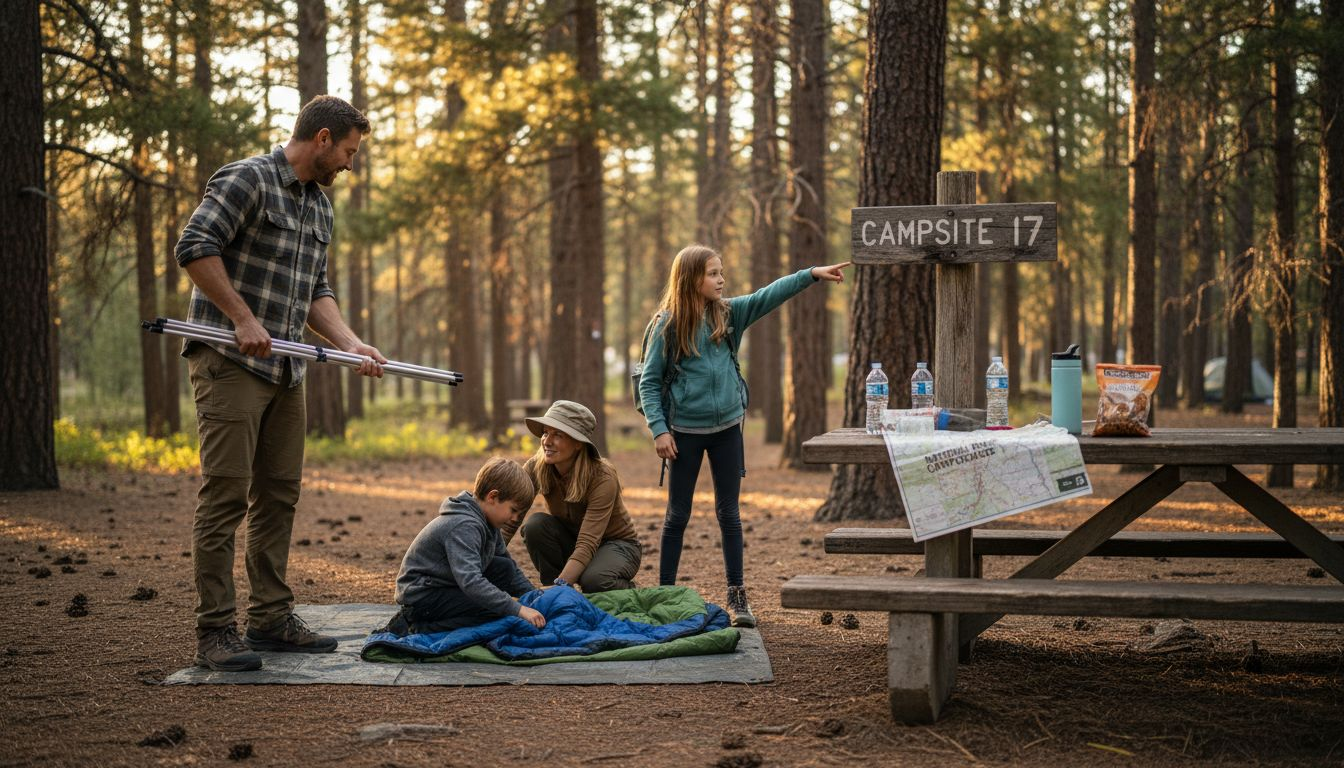
Camping Safety Tips 2025 for Families: Stay Secure Outdoors
Every American parent knows that the great outdoors offers countless memories, but also unexpected risks for children. Nearly 60 percent of American families admit they do not check for campsite hazards before pitching a tent. Whether you are camping across California, Oregon, or Colorado, starting with simple and practical safety steps can dramatically reduce worry on your next adventure. These proven tips help you create a secure space for your family while keeping fun and well-being at the forefront.
Quick Summary
| Important Insight | Explanation |
|---|---|
| 1. Thoroughly Assess Campsite Hazards | Inspect for dangers like falling branches, unstable ground, and wildlife signs to ensure safety before setting up camp. |
| 2. Pack Essential Safety Gear | Bring first aid kits, communication devices, and navigation tools to address emergencies effectively while camping. |
| 3. Establish Camp Boundaries and Rules | Clearly communicate safety rules and designate safe zones to prevent accidents and ensure responsible exploration among family members. |
| 4. Monitor Weather Conditions | Regularly check weather updates to prepare for sudden changes and establish contingency plans for adverse weather conditions. |
| 5. Daily Safety Protocol Verification | Conduct morning and evening check-ins to review safety measures, equipment readiness, and clarify family responsibilities. |
Step 1: Assess Campsite Hazards Before Setting Up
Before pitching your tent or setting up camp, you need to perform a systematic safety inspection that protects your family from potential outdoor risks. Campground risk assessment involves carefully evaluating environmental conditions and potential threats that could compromise your family's safety and comfort.
Start by scanning the entire campsite for immediate potential dangers. Look for hanging branches that might fall, uneven ground with hidden rocks or roots, proximity to water sources that could flood, and signs of wildlife activity. Check the ground for ant hills, sharp objects, or unstable terrain that could cause trips or injuries. Examine surrounding trees for dead limbs or signs of disease that might indicate potential branch collapse. Pay special attention to areas near water sources or slopes where ground stability could change rapidly.
Once you have visually inspected the site, walk the entire area carefully, testing ground stability and checking for hidden hazards. Your safety assessment should involve recognizing risks like potential water rise, falling branch dangers, and proper campsite setup to ensure your family remains protected throughout your outdoor adventure.
Pro tip: Bring a small hand rake or trowel to clear debris and smooth out your tent area, which allows you to detect hidden hazards more effectively while preparing a safe sleeping surface.
Here's a quick reference for assessing campsite hazards:
| Hazard Type | Why It Matters | How to Identify |
|---|---|---|
| Falling branches | Can cause injury or property damage | Look for dead or hanging limbs |
| Unstable ground | Increases risk of tripping or injury | Test for soft, uneven patches |
| Wildlife activity | Potential for dangerous encounters | Look for tracks, droppings |
| Water proximity | Risk of flooding or water accidents | Check slope and water levels |
Step 2: Secure Essential Safety Gear for the Trip
Packing the right safety equipment can make the difference between a minor inconvenience and a serious emergency during your family camping adventure. A comprehensive 2025 camping checklist helps families organize and prepare critical safety items that could potentially save lives in unexpected situations.
Your safety gear collection should include several key categories of essential equipment. First aid kits are non negotiable and should contain bandages, antiseptic wipes, pain relievers, tweezers, and any specific medications your family needs. Emergency communication devices like fully charged mobile phones or satellite communicators are crucial in areas with limited cell coverage. Pack multiple sources of light such as headlamps, flashlights, and extra batteries. Include emergency signaling tools like bright whistles for each family member and compact emergency blankets. Navigation tools such as physical maps, compasses, and GPS devices will help you stay oriented if electronic devices fail.
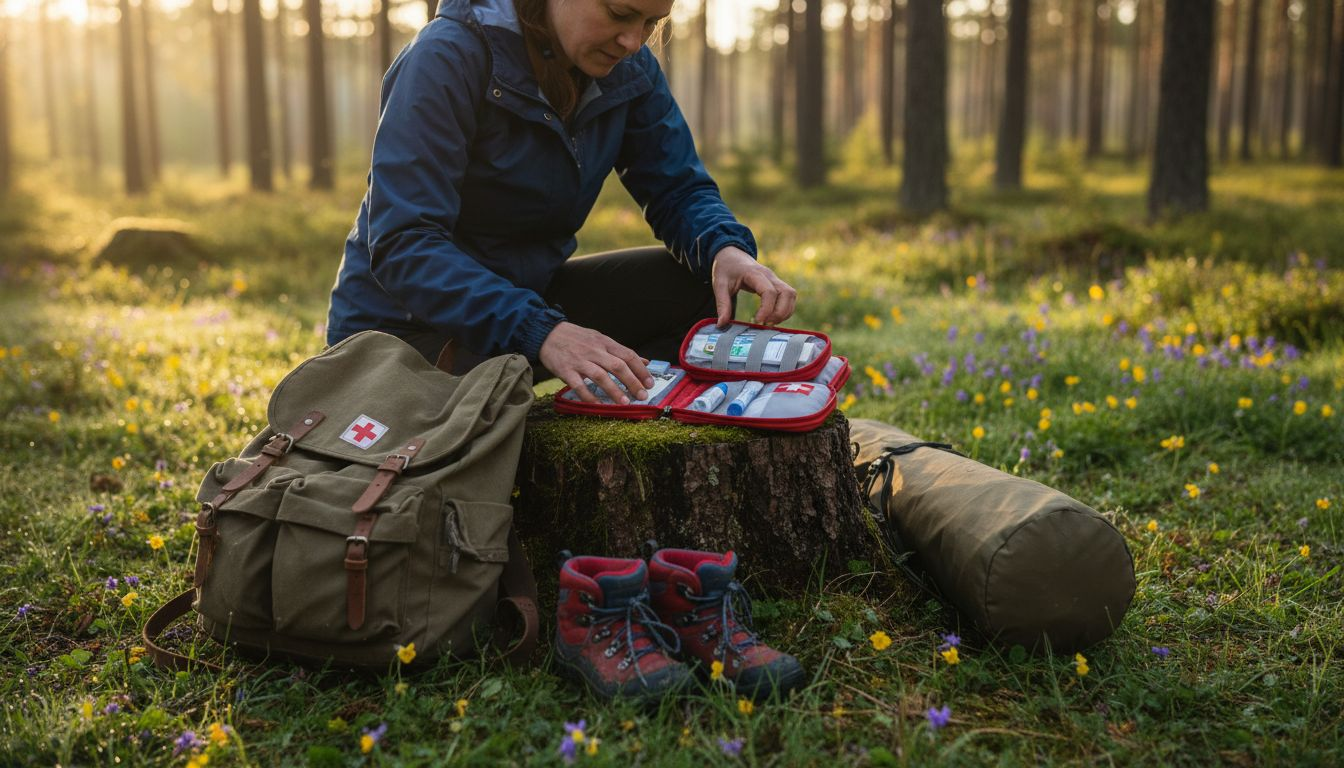
Consider additional specialized safety equipment based on your specific camping environment. For wilderness areas, pack bear spray, snake bite kits, and water purification systems. Ensure everyone understands how to use each piece of safety equipment before leaving home. Group these items together in a dedicated waterproof and easily accessible bag that every adult in your group can quickly locate during an emergency.
Pro tip: Create a printed emergency contact card for each family member with critical medical information, local emergency services numbers, and your campground details sealed in a waterproof plastic sleeve.
This summary shows how key safety gear categories support a safe camping experience:
| Gear Category | Example Equipment | Main Safety Benefit |
|---|---|---|
| First Aid | Bandages, antiseptics | Immediate injury treatment |
| Communication | Mobile phones, radios | Reach help in emergencies |
| Navigation | Compass, maps, GPS | Prevent getting lost |
| Emergency Signaling | Whistles, blankets | Attract attention for rescue |
Step 3: Establish Protective Boundaries and Camp Rules
Establishing clear boundaries and camp rules is fundamental to creating a safe and enjoyable family camping experience. Effective communication and consistent guidelines help prevent potential accidents and ensure every family member understands their responsibilities and limits within the campsite environment.Begin by conducting a family meeting where you clearly outline specific safety rules and expectations. Create designated safe zones within and around your campsite where younger children should remain. Mark these boundaries using visual indicators like colored rope, flags, or natural landmarks that children can easily recognize. Establish firm guidelines about interaction with wildlife, exploring surrounding areas, and maintaining a buddy system for anyone moving away from the main campsite. Discuss emergency protocols including what to do if they become separated from the group, how to signal for help, and the importance of staying calm.
Practical supervision strategies are crucial for balancing safety with children's natural desire to explore and participate in outdoor activities. Assign specific supervision responsibilities among adult family members, ensuring constant awareness of children's locations and activities. Create age appropriate rules that allow older children more independence while maintaining strict guidelines for younger family members. Regularly review and reinforce these rules throughout your camping trip, using positive reinforcement and clear explanations to help children understand the importance of following safety protocols.Pro tip: Create a simple visual rules chart with pictures and clear language that children can easily understand and reference throughout the camping trip.
Step 4: Monitor Weather Conditions and Update Plans
Tracking weather conditions is a critical safety strategy for families planning outdoor camping adventures, requiring continuous monitoring and flexible planning to protect your family from potential environmental risks. Understanding how to interpret weather patterns and make informed decisions can mean the difference between a safe trip and a dangerous situation.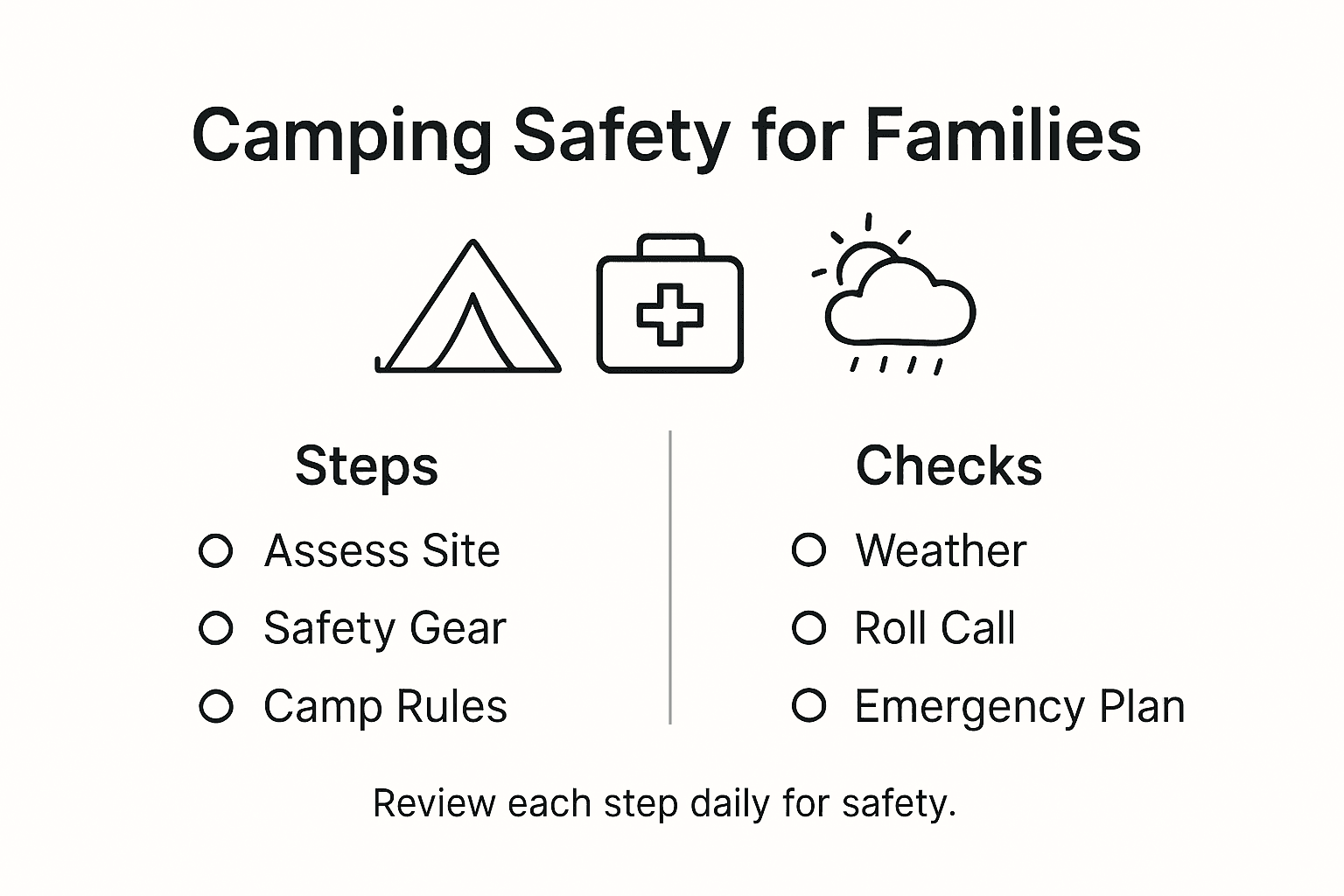
Create a flexible backup plan that outlines alternative activities and emergency shelter options in case weather conditions deteriorate rapidly. Discuss these contingency plans with your entire family, ensuring everyone understands potential scenario responses. Pack lightweight emergency gear like waterproof tarps, extra layers, and compact rain protection that can be quickly deployed if weather conditions change unexpectedly. Remember that mountain and wilderness environments can experience dramatic weather shifts within hours, so maintaining situational awareness is crucial for your family's safety.
Pro tip: Designate one adult as the primary weather monitoring point person who will review forecasts and communicate updates to the entire group every morning and evening.
Step 5: Verify Child and Family Safety Protocols Daily
Daily safety verification is a critical component of successful family camping, requiring systematic and proactive approaches to protecting your loved ones. Establishing a consistent routine helps prevent potential risks and ensures everyone remains aware and prepared throughout your outdoor adventure. Create a morning and evening safety checklist that includes comprehensive roll calls, emergency protocol reviews, and equipment assessments to maintain situational awareness. Begin each day with a family meeting where you review the day's planned activities, potential risks, and emergency contact procedures. Conduct a physical equipment check, ensuring first aid kits are accessible, communication devices are charged, and protective gear is in good condition. Verify that each family member understands their specific safety responsibilities and knows how to respond in various emergency scenarios.Implement age appropriate safety briefings that engage children while teaching critical survival skills. For younger kids, make safety discussions interactive and game like, using storytelling and role playing to help them understand potential risks and proper responses. With older children, conduct more detailed discussions about specific wilderness risks, navigation techniques, and emergency signaling methods. Practice communication protocols such as whistle signals, designated meeting points, and buddy system guidelines. Rotate safety responsibilities among adult family members to ensure continuous monitoring and shared accountability.
Pro tip: Create a laminated safety reference card for each family member with emergency contact information, basic first aid instructions, and key campsite safety rules.
Equip Your Family for Safe and Confident Camping Adventures
The challenge of keeping your family safe while exploring the outdoors requires more than just knowledge — it demands reliable gear designed for comfort, durability, and ease of use. From assessing campsite hazards to securing essential safety supplies and monitoring weather changes, every step in your safety plan depends on equipment you can trust. Life Camp Adventure understands the importance of being prepared, so you can focus on creating memorable and secure family adventures.
Whether you need rugged first aid kits, dependable navigation tools, or weather-resistant camping essentials, our collection supports the key safety concepts highlighted in "Camping Safety Tips 2025 for Families: Stay Secure Outdoors." Don't let missing or inferior equipment hold you back. Discover quality camping gear tailored for family protection and embrace peace of mind knowing you have everything you need for a safer outdoor experience.
Take the next step in your family camping safety strategy. Visit Life Camp Adventure now to explore all the reliable outdoor gear and survival essentials that help you act confidently and respond effectively to any situation in the wild.
Frequently Asked Questions
How can I assess hazards at my campsite before setting up?
To assess hazards, start by scanning the area for immediate dangers like hanging branches, uneven ground, and signs of wildlife. Walk the entire campsite and test ground stability to identify hidden risks before pitching your tent.
What essential safety gear should I pack for a family camping trip?
Pack a well-equipped first aid kit, emergency communication devices, and navigation tools. Ensure you include items like bandages, charged phones, and maps so that your family can respond effectively to unexpected situations.
How can I create effective camp rules to enhance safety for my family?
Establish clear camp rules by holding a family meeting to outline safety expectations, create designated safe zones, and discuss wildlife interaction. Use visual markers to help children understand their boundaries and reinforce these rules consistently throughout the trip.
What steps should I take to monitor weather conditions during camping?
Track weather conditions by downloading multiple weather apps and checking them at least twice daily. Establish a routine for monitoring weather updates, including wind speed and storm warnings, to adapt your plans and keep your family safe.
How can I verify my family’s safety protocols during our camping trip?
Conduct daily safety verifications by implementing a morning and evening checklist that includes roll calls and equipment assessments. Regularly review safety protocols with your family to ensure everyone knows their responsibilities and emergency procedures.
What should I include in a laminated safety reference card for each family member?
Include emergency contact information, basic first aid instructions, and key campsite safety rules on each laminated card. Ensure they are easy to understand so everyone can quickly reference them during the trip.
