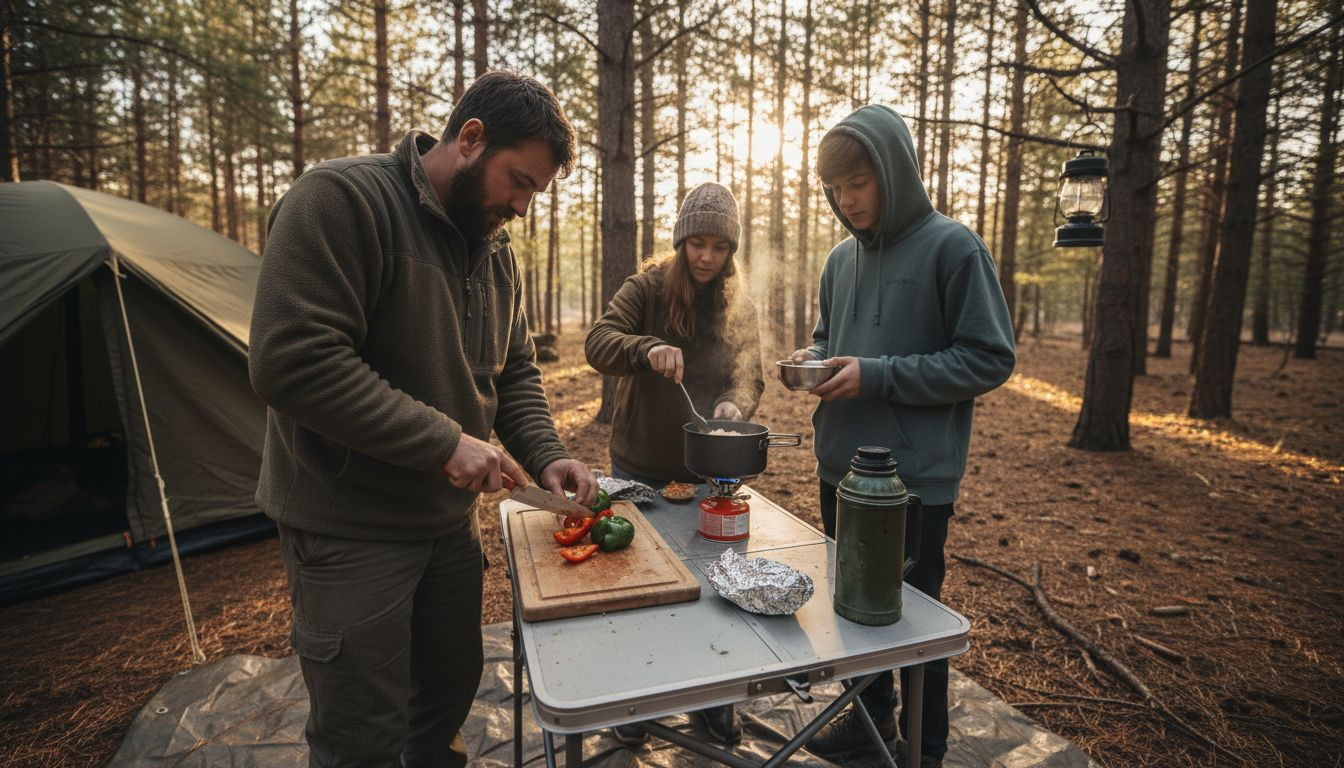
More than 40 million Americans go camping each year, yet countless campers struggle to keep meals enjoyable, nutritious, and easy to prepare outdoors. For any American planning a camping trip, organizing food prep can mean the difference between satisfying meals and unnecessary stress. This guide provides practical steps for selecting, packing, and making meals that fuel your adventure while keeping things simple and safe in the wild.
Quick Summary
| Key Point | Explanation |
|---|---|
| 1. Assess Dietary Needs First | Understand your group's nutritional needs based on trip duration and activity level for optimal meal planning. |
| 2. Choose Simple, Nutritious Recipes | Select meals that require minimal preparation and maximize nutrition while remaining lightweight for easy packing. |
| 3. Organize Cooking Gear Efficiently | Pack essential cooking tools that are lightweight and multi-functional to streamline your outdoor cooking experience. |
| 4. Prepare Ingredients in Advance | Pre-measure and pack ingredients in resealable bags to simplify meal assembly and minimize waste in the wilderness. |
| 5. Follow Food Safety Guidelines | Implement proper food handling techniques, such as keeping raw and cooked foods separate to avoid foodborne illnesses outdoors. |
Step 1: Assess Dietary Needs and Trip Duration
Preparing meals for your camping adventure starts with understanding your group's nutritional requirements and the specific demands of your outdoor journey. The key is matching food portions to your trip's length and activity intensity to ensure everyone stays energized and satisfied.
According to National Park Service recommendations, it's crucial to consider each participant's physical fitness and planned activities when planning your menu. This means taking stock of individual dietary preferences, potential restrictions, and expected energy expenditures. For most camping trips, you'll want to calculate food needs based on trip duration and physical exertion. NOLS guidelines suggest planning 1-1.5 pounds of food per person daily for shorter trips with mild activities, which translates to approximately 2,000-3,000 calories. More strenuous adventures might require 1.75-2.0 pounds per person, providing 3,000-3,500 calories to fuel your outdoor experiences.
Start by creating a detailed menu that accounts for breakfast, lunch, dinner, and snacks. Consider factors like cooking equipment, storage limitations, and weight restrictions. Break down your food planning into categories refrigerated or shelf stable items based on your trip duration and available storage methods. Remember that meals need to be nutritionally balanced while also being lightweight and easy to prepare in outdoor settings.
Here's a quick reference table for estimating daily food and calorie needs based on activity level:
| Activity Level | Food Per Person (lbs) | Calories Needed | Suitable Trip Type |
|---|---|---|---|
| Mild (Easy Hiking) | 1.0 - 1.5 | 2,000 - 3,000 | Short trips, light activity |
| Moderate | 1.5 - 1.75 | 2,500 - 3,200 | Multi-day, moderate hiking |
| Strenuous | 1.75 - 2.0 | 3,000 - 3,500 | Backpacking, high exertion trips |
Pro tip: Create a food spreadsheet tracking calories, weight, and preparation time for each meal to streamline your camping meal planning process and ensure you pack exactly what you need.
Step 2: Select Easy and Nutritious Camp Recipes
Choosing the right meals for your outdoor adventure means finding a perfect balance between nutrition, taste, and simplicity. Your camping menu should provide energy without weighing you down or requiring complex preparation in the wilderness.
American Hiking Society recommends selecting calorie-rich snacks and dehydrated meals that deliver substantial nutrition while keeping your backpack lightweight. This approach ensures you have enough fuel for your outdoor activities without feeling overburdened. Path to Eagle offers creative suggestions like walking tacos, foil packet dinners, and campfire grilled cheese with soup that are not just easy to prepare but also delicious and satisfying. Focus on recipes with minimal ingredients that can be quickly assembled using basic cooking equipment like a portable camp stove or campfire.When planning your menu, prioritize meals that can be prepped in advance and require minimal cooking time. Consider ingredients that are versatile, lightweight, and can be mixed and matched to create different meals. Think about protein sources like dried meats, nuts, and protein bars that provide sustained energy. Include a mix of shelf stable ingredients and lightweight fresh items that can add flavor and nutrition to your meals.
To help streamline your outdoor cooking, here is a summary of versatile ingredient types and how they enhance flexibility:
| Ingredient Type | Example Items | Role in Menu | Packability Advantage |
|---|---|---|---|
| Dehydrated | Rice, beans, vegetables | Lightweight base | Saves weight, easy to pack |
| Protein Dense | Jerky, nuts, bars | Sustains energy | Shelf stable, portable |
| Fresh/Lightweight | Peppers, tortillas | Adds freshness | Easy to stack, minimal prep |
| Versatile Staples | Oats, instant soup mix | Multiple meals | Mix and match for variety |
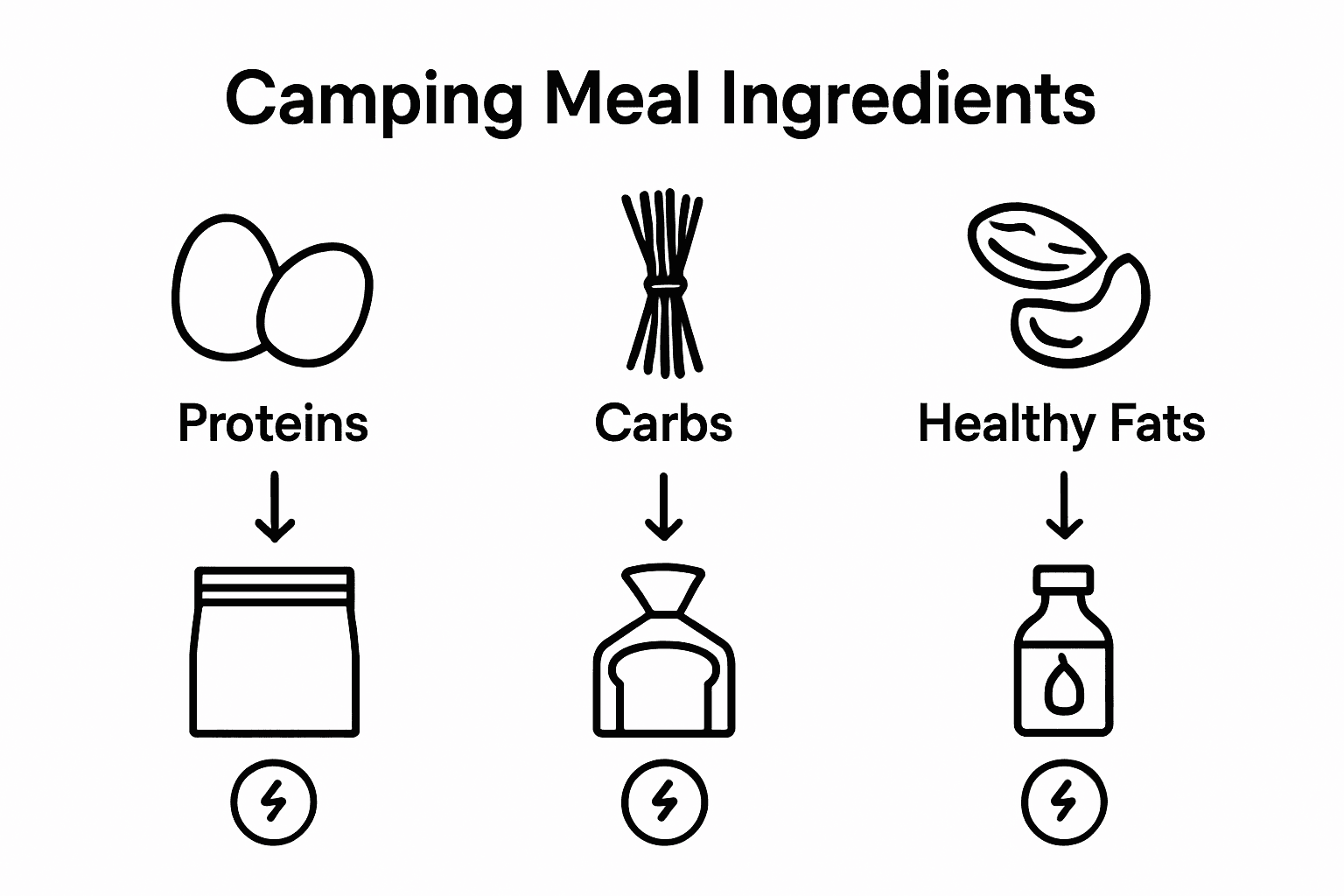
Pro tip: Prep ingredient portions in resealable bags at home before your trip to streamline cooking and reduce waste during your camping adventure.
Step 3: Organize and Pack Essential Cooking Gear
Successfully preparing meals in the great outdoors starts with strategic packing and selecting the right cooking equipment. Your goal is to create a compact yet comprehensive cooking kit that meets all your camping culinary needs without weighing you down.
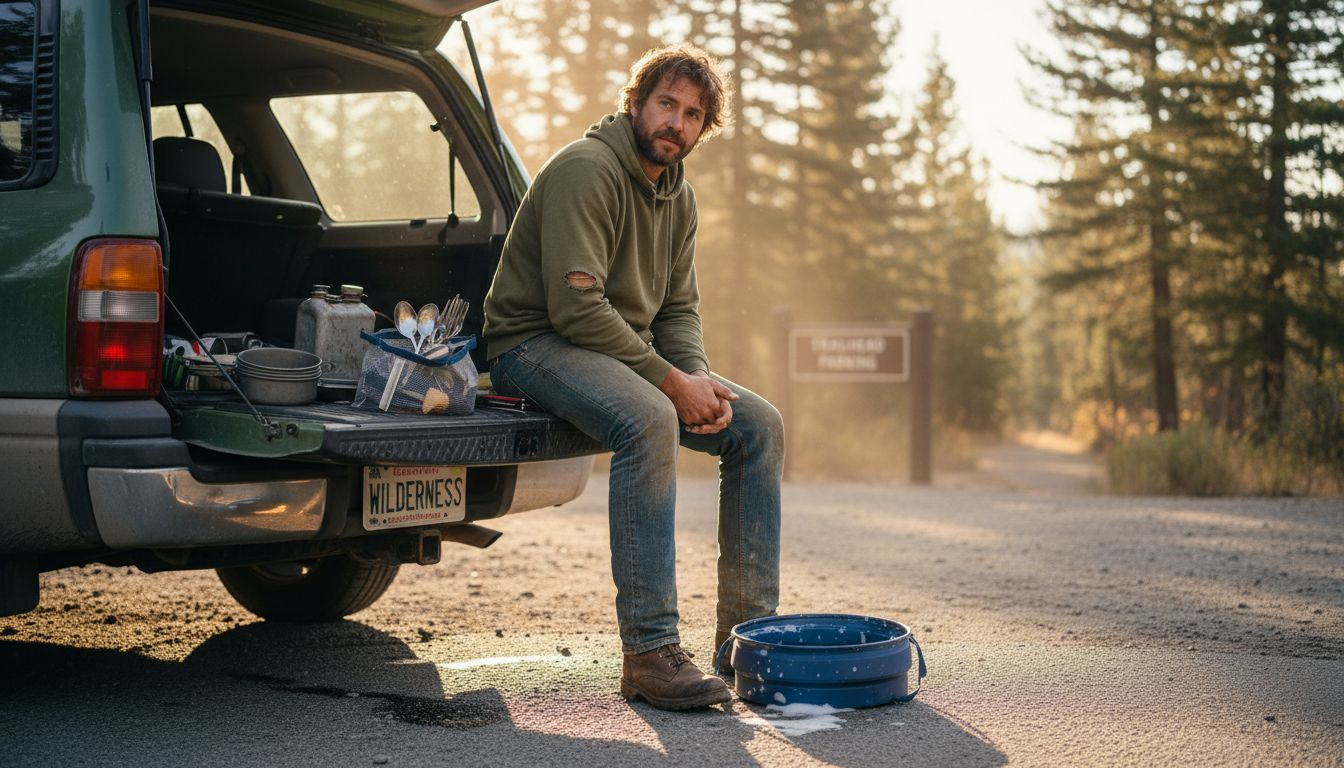
When organizing your cooking gear, think modular and multipurpose. Choose lightweight utensils that can serve multiple functions and nesting cookware that saves space in your pack. Prioritize equipment made from durable materials like aluminum or stainless steel that can withstand outdoor conditions. Pack your cooking items in clear waterproof bags or containers to keep them organized and protected from moisture and dirt. Remember to include basic cleaning supplies like biodegradable soap, a compact sponge, and lightweight towels to maintain hygiene at your campsite.
Pro tip: Create a dedicated cooking gear checklist and do a practice pack at home to ensure everything fits efficiently and you haven't forgotten any crucial items.
Step 4: Prep Ingredients for Quick Assembly
Preparing your camping meals begins well before you hit the trail. The key to stress-free outdoor cooking is strategic ingredient preparation that saves time and reduces complexity when youre hungry and tired after a long day of adventure.
The American Hiking Society recommends developing a comprehensive daily meal plan that includes breakfast, lunch, dinner, and snacks. This approach ensures you pack exactly what you need while adapting your favorite meals for backcountry cooking by using dehydrated or ready-to-eat ingredient versions. NOLS provides expert advice on repackaging bulk food items into smaller portions to minimize weight and maximize pack space, suggesting you pre-measure ingredients and combine them into meal specific bags for effortless campsite assembly.
Start by gathering all your ingredients and dividing them into individual meal portions using resealable bags or lightweight containers. Label each bag with the meal name and cooking instructions to avoid confusion. Consider pre chopping vegetables, portioning out spices, and mixing dry ingredients at home. Vacuum sealing or using compression bags can help reduce air and moisture, keeping your ingredients fresh and compact. Focus on ingredients that are lightweight, nutrient dense, and require minimal preparation.
Pro tip: Invest in a food scale to precisely portion ingredients and create a meal prep spreadsheet to track calories, weight, and nutritional content for each camping meal.
Step 5: Cook and Store Meals Safely Outdoors
Camping meals require careful handling to prevent foodborne illness and protect your outdoor experience. Understanding proper food safety techniques will help you enjoy delicious meals while minimizing health risks in unpredictable wilderness environments.
The Academy of Nutrition and Dietetics emphasizes critical food safety practices that are essential for outdoor cooking. These include washing hands frequently using biodegradable soap and water, keeping raw meats completely separate from ready-to-eat foods, using separate cutting surfaces, and ensuring all foods are cooked to safe internal temperatures. The National Park Service provides additional guidance about managing food storage to prevent wildlife interactions, recommending bear-proof containers or hanging food at least 10 feet off the ground and 4 feet away from tree trunks.
When cooking outdoors, use a reliable food thermometer to check meat temperatures and prevent bacterial growth. Pack a small cooler with ice packs to keep perishable items below 40°F and rotate items to maintain consistent cooling. Store dry goods in sealed containers and keep them elevated off the ground to protect from moisture and small animals. After meals, clean all cooking surfaces thoroughly and dispose of food waste in designated areas or sealed bags to minimize environmental impact and wildlife attraction.
Pro tip: Pack color coded cutting boards or use disposable cutting sheets to prevent cross contamination between raw meats and other food items during outdoor meal preparation.
Step 6: Review and Refine Your Meal Prep Process
Improving your camping meal preparation is an ongoing journey of learning and adaptation. Each outdoor adventure provides valuable insights that can help you streamline your approach and enhance your future camping culinary experiences.
The Cairn Project recommends conducting a thorough test of your cooking system and meal selections at home before embarking on your trip. This allows you to identify potential challenges, verify cooking equipment functionality, and taste test backpacking meals to ensure they meet your flavor and nutritional expectations. NOLS suggests creating a detailed trip review process that involves critically analyzing every aspect of your meal preparation and consumption.After each camping trip, take time to document your observations. Note which meals were most enjoyable, which ingredients worked well, and what cooking techniques proved most efficient. Assess portion sizes and track any food waste or items that went unused. Consider factors like weight, preparation time, nutritional value, and overall satisfaction. Use a journal or digital spreadsheet to track these insights, allowing you to make incremental improvements to your meal planning strategy with each subsequent outdoor adventure.
Pro tip: Create a post trip meal evaluation template that includes ratings for taste, ease of preparation, nutritional value, and overall satisfaction to systematically improve your camping meal planning.
Elevate Your Camping Meal Prep with Gear You Can Rely On
Preparing nutritious and easy camping meals is only part of the adventure. The true challenge lies in having the right gear to plan, pack, and cook outdoors efficiently and safely. This guide highlights critical pain points like organizing cooking equipment, ensuring food safety, and streamlining meal assembly — all of which require reliable, durable tools specially designed for the rugged outdoors.
At Life Camp Adventure, we understand how essential confidence and convenience are when preparing meals far from home. Our selection of high-quality camping equipment and survival essentials helps you tackle all stages of meal prep, from lightweight cookware and portable stoves to secure food storage solutions that keep your ingredients fresh and wildlife-free. Don’t let inefficient gear slow you down or add stress to your next camping trip.
Ready to experience hassle-free meal planning and cooking on your next outdoor journey?
Discover trusted products that meet the needs described in the Camping Meal Prep Guide. Visit Life Camp Adventure now to gear up for your next meal under the open sky and take your camping experience to the next level.
Frequently Asked Questions
How do I assess dietary needs for my camping trip?
Start by considering each person's physical fitness, dietary preferences, and planned activities. Calculate food needs based on the trip duration and activity intensity, aiming for 1 to 2 pounds of food per person daily, depending on the exertion level.
What are some easy, nutritious camp recipes?
Explore simple and nutritious meals that require minimal preparation, such as dehydrated meals, walking tacos, and foil packet dinners. Focus on recipes with few ingredients that can be quickly assembled at your campsite to save time and energy.
What cooking gear should I pack for a camping adventure?
Pack essential cooking gear like a lightweight pot, portable stove, reliable utensils, and a food thermometer. Organize these items to maximize space and ensure easy access during meal preparation.
How can I prepare ingredients for quick assembly on my camping trip?
Pre-portion and pre-chop ingredients into resealable bags or containers labeled with meal names and cooking instructions. This preparation will streamline your cooking process and help you quickly assemble meals after a long day outdoors.
What food safety measures should I take while camping?
Practice food safety by washing hands frequently, keeping raw meats separate from ready-to-eat foods, and cooking all foods to safe internal temperatures. Use proper food storage techniques, like keeping perishables in a cooler and elevating dry goods off the ground.
How can I improve my camping meal prep process for future trips?
After each camping adventure, document your experiences by noting the meals you enjoyed and any challenges faced. Use this information to refine your meal prep strategy and adjust portion sizes or ingredient choices for more efficient future planning.
