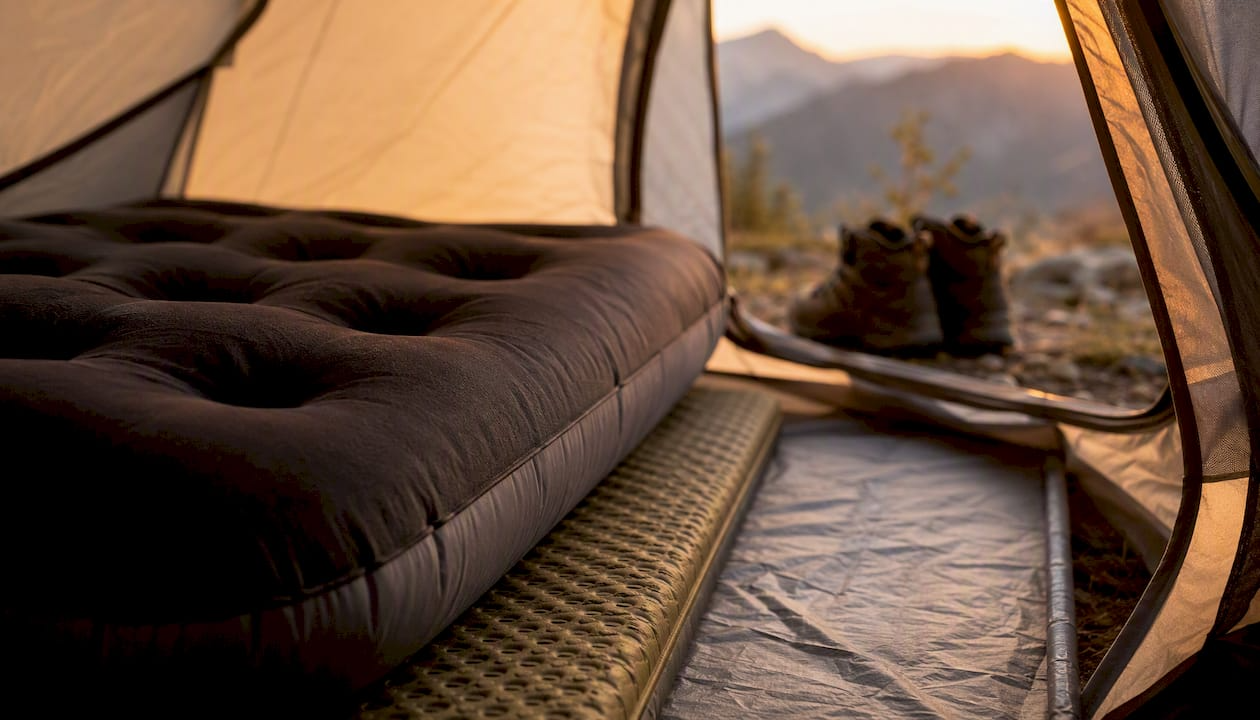
The five upgrades that solve most camping discomfort problems are an insulated sleeping pad with appropriate insulation, a real pillow, a stable reclining camp chair, a portable power and lighting setup, and a cooler that actually holds ice. Buy those five before anything else. They target the exact failure points that ruin a night outdoors: heat loss to the ground, pressure points from thin bedding, hours spent perched on a log because your chair wobbles, dead phone batteries after dark, and warm drinks in a cooler that leaked out its ice by lunch.
Here's why each one earns its spot on the list:
- Sleeping pad (R-value matched to season): ground conduction pulls more warmth from your body overnight than air temperature does, and an R-value standard now codified under ASTM F3340-18 makes it possible to compare pads apples to apples.
- A real pillow: a stuffed jacket under your head might work in a pinch, but it shifts all night and does nothing for neck support.
- A supportive reclining chair: you'll spend more waking hours sitting at camp than doing anything else, and a chair that dips your hips below your knees wrecks your back by day two.
- Portable power and warm lighting: dead headlamp batteries and harsh white light both sabotage the relaxed, cabin-like feel that separates a comfortable trip from a survival exercise.
- A high-retention cooler: food safety aside, warm drinks and soggy ice are one of the fastest ways to sour a group's mood on day three.
Life Camp Adventure treats these five as the backbone of any comfort-focused car-camping setup, and everything else in this guide, from kitchen gear to climate control, builds outward from that foundation.
Key Takeaways
Fixing heat loss, poor support, and moisture in that order solves most camping discomfort, and everything else in this guide builds outward from those three fixes.
| Point | Details |
|---|---|
| Sleep system comes first | An R-value-matched pad and a real pillow fix more discomfort than any other single purchase. |
| Stack pads for cold nights | A closed-cell foam pad under an inflatable pad adds their R-values together for near-freezing trips. |
| Seating and power come next | A supportive reclining chair and a portable power station fix daily-life friction after sleep is solved. |
| Ventilation prevents false alarms | Condensation often mimics a leak; cracking tent vents even in cold weather keeps gear and insulation dry. |
| Life Camp Adventure curates by category | Lifecampadventure's picks are organized by price band and use case so readers can match gear to their trip style. |
Camping Comfort Gear Categories and What Actually Matters in Each
Every comfort category solves a different physical problem, and shopping without understanding the problem leads to wasted money on the wrong spec. Your sleep system fights heat loss and pressure. Your shelter fights moisture and cramped layout. Your seating fights fatigue. Your cooler fights spoilage and warm drinks. Treat comfort as a system rather than a shopping list, and the purchases start making sense in relation to each other.
Sleep system. The pad matters more than the bag in most car-camping scenarios, because ground insulation is the single biggest lever for tent sleep comfort, and R-values stack when you layer a closed-cell foam pad under an inflatable one. Sleeping bags and quilts still matter for ambient air temperature, but a $200 bag on a $20 pad will leave you cold from below all night. Cots solve a different problem entirely: they get you off the ground and out of puddles, though most still need a pad or foam layer underneath in cold weather since air moves freely beneath a cot's fabric deck.
Tents and shelter upgrades. A tent one size larger than your group needs, plus a footprint and a vestibule for muddy boots, changes daily life more than almost any gear purchase. Vestibules keep wet gear out of your sleeping area, which matters because a damp tent floor undoes half the insulation work your pad just did.
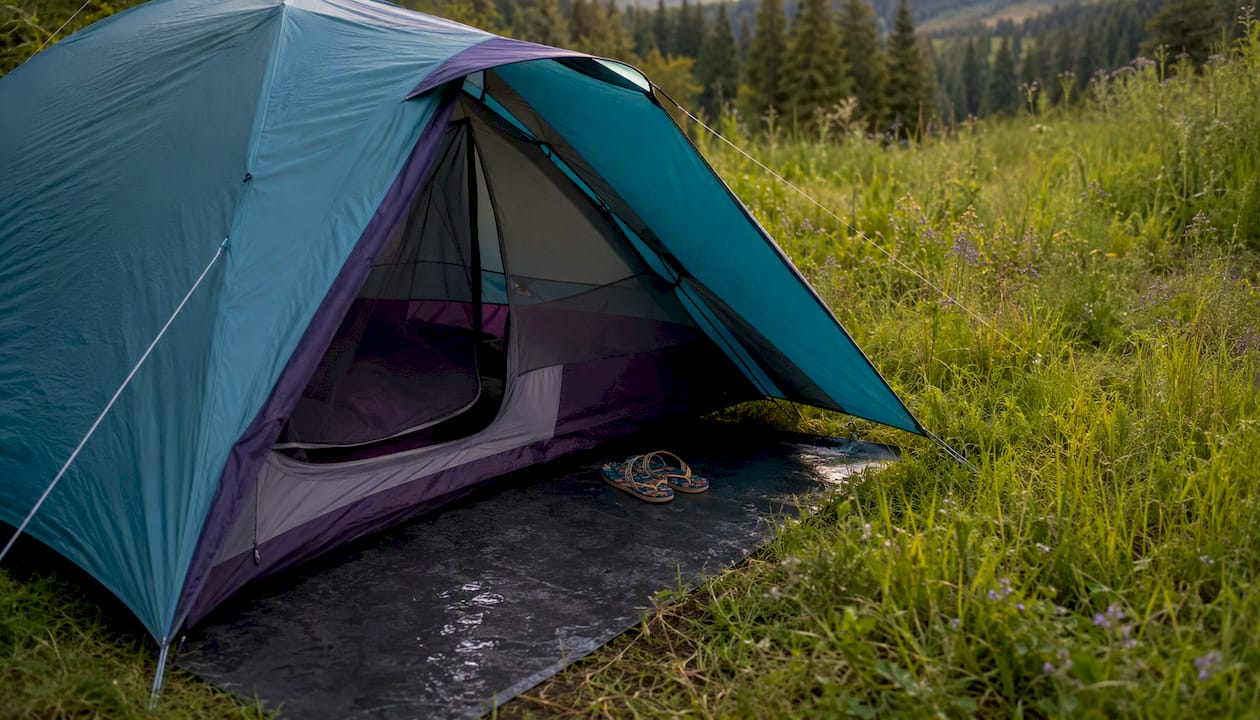
Seating and tables. Look for a rated weight capacity, a low center of gravity, and genuine lumbar support, not just a cushion glued to aluminum poles. A stable table at the right height turns cooking and card games from a crouch into an actual activity.
Camp kitchen. Stove output, cookware material, and dinnerware durability all matter, and they get their own full breakdown further down.
Lighting and power. Lumens tell you brightness, but beam pattern (flood vs. spot) tells you usability, and battery runtime in watt-hours (Wh) tells you how many nights you get before recharging.
Coolers. Ice retention measured in days, not hours, along with internal capacity in quarts and a shape that stacks well in a trunk, are the three specs that actually predict real-world performance.
Pro Tip: Stack a cheap closed-cell foam pad underneath your inflatable sleeping pad on cold nights. R-values add together, so a 2.0 foam pad under a 3.5 inflatable gets you to roughly 5.5, enough for most near-freezing trips without buying a dedicated winter pad.
Before you buy anything in these categories, check for a rated weight capacity on chairs and cots, a stated R-value on every pad (not just "insulated"), and an actual capacity number on coolers rather than marketing language like "extra large." Weight matters far less here than in backpacking gear, since your vehicle carries the load, not your back.
Where Should You Splurge and Where Can You Save?
Spend the most money on your sleep system and campsite layout gear first, then move to seating and power, and treat entertainment extras as the last purchase, not the first. This order reflects which purchases fix the biggest comfort problems relative to their cost.
Buy first: the insulated sleeping pad, a real pillow, and a footprint or ground tarp. These three items address heat loss and moisture, the two failures that end trips early. A $100 pad upgrade will do more for your comfort than a $300 chair.
Buy second: a supportive camp chair, a cooler with strong ice retention, and a basic lighting and power setup. These solve daily-life friction rather than survival-level discomfort, but they compound over a multi-day trip fast.
Buy later, if budget allows: a portable projector, a speaker, and premium camp blankets. These are genuine quality-of-life additions once the fundamentals are locked in, and tested roundups of car-camping accessories consistently place them in the "nice-to-have" tier rather than the essentials tier.
Car camping gives you room to prioritize comfort over weight in a way backpacking never allows, which is exactly why a thicker pad, a real pillow, and a portable power station belong in your trunk rather than staying home to save ounces. If you want a full checklist to work from before your next trip, Lifecampadventure's car camping packing list breaks this same priority order into a printable format.
How Can You Actually Sleep Better in a Tent?
Pick flat ground before anything else, because even a mild slope will have you sliding toward the tent wall by 2 a.m. If the site tilts at all, orient your head slightly uphill rather than downhill; blood pooling in your head all night causes the groggy, headachy feeling many campers blame on "bad sleep" without realizing the fix was under their pad the whole time.
Sweep the site clear of rocks, sticks, and pinecones before the tent goes up. A root that feels minor through a boot sole feels like a fist through a sleeping pad at 3 a.m. Lay a footprint down first, then your pad, then consider stacking a closed-cell foam pad underneath an inflatable one on cooler nights.
R-value measures how well a pad resists heat loss to the ground, and it's the single spec that matters most for temperature regulation. A pad rated 2.0 works fine on a mild summer night; drop toward freezing and you need something in the 5.0-plus range, or you'll feel cold no matter how warm your bag is rated. Stacking works because R-values are additive: two pads combine their ratings rather than just adding bulk. This is also why a tall double-height air mattress, which feels wonderfully bed-like on a warm night, performs poorly once temperatures drop unless you insulate it from below with a foam pad or wool blanket.
Ventilation is the other half of the sleep equation. Condensation buildup inside a tent often gets mistaken for a leak, and it happens when warm, moist breath meets a cold tent wall with nowhere to escape. Keeping vents cracked, even in cold weather, reduces condensation and protects your gear's insulation from getting damp and losing effectiveness.
Change into dry sleep clothes before bed, even if you weren't sweating during the day. Damp base layers pull heat away from your skin all night, and switching into dry layers is one of the most effective non-gear tactics for staying warm, right alongside eating something before bed to give your body fuel to generate heat.
Pro Tip: A hot-water bottle inside your sleeping bag works, but use a hard-plastic bottle like a Nalgene, never a thin metal one. Metal conducts heat too fast and can burn skin through a bag liner. Test the seal for leaks before you tuck it near your feet.
Life Camp Adventure's Curated Comfort Picks by Category
Matching the right pick to your trip style matters more than chasing the priciest option in every category. Here's how Lifecampadventure frames its recommended picks across the core comfort categories, with price bands to help you land on the right tier for your group.
- Sleeping pad: budget picks in the 2.0 to 3.0 R-value range suit warm-weather couples; mid-tier pads around 4.0 to 5.0 fit most three-season family trips; premium insulated pads above 5.5 are built for near-freezing nights and larger groups who camp into shoulder season.
- Sleeping bag or liner: a liner alone extends a summer bag's comfort range by several degrees for minimal cost, while a dedicated three-season bag is the better buy for anyone camping more than a handful of weekends a year. For a deeper breakdown by temperature rating, Lifecampadventure's guide to outdoor sleeping bags walks through eight options across price tiers.
- Camp pillow: compressible camp pillows in the budget tier work fine for occasional trips; a higher-loft pillow with an adjustable fill is worth the mid-tier price for anyone who camps monthly.
- Cot or air mattress: cots suit hot climates and solo campers who want airflow underneath; a well-insulated air mattress fits couples who want a bed-like feel and are willing to add a foam layer for cold nights.
- Camp chair: a basic stable chair covers casual weekend trips; a reclining or padded chair with a rated high weight capacity is the splurge-worthy pick for anyone spending long evenings at camp.
- Portable power station: entry-level units in the low watt-hour range handle phones and a lantern; mid-tier and premium stations with higher Wh capacity support coolers, fans, or small heaters for multi-day family trips.
- Lantern or headlamp: a simple headlamp covers most needs; a dual lantern-and-headlamp combo is the better buy for families who need both hands-free light and ambient camp lighting.
- Hard cooler: budget hard coolers hold ice for a day or two; premium coolers with thicker insulated walls hold ice for four to five days, which matters most for trips longer than a weekend.
- Storage wagon or bins: a collapsible wagon earns its price for anyone hauling gear more than a few hundred feet from the car; stackable bins are the budget-friendly alternative for close-to-car sites.
- Camp blanket: a budget fleece blanket adds warmth for mild nights; a premium insulated or wool-blend blanket is worth the splurge for cold-weather car campers who want an extra layer without zipping into a bag.
For a side-by-side look at specific products across these categories, Lifecampadventure's comparison of top camping gear breaks down current picks by price and use case.
How Does Life Camp Adventure Choose Its Comfort Gear Picks?
Every pick on this list gets weighed against five factors: durability under repeated setup and teardown, real-world insulation and support performance, comfort claims that hold up outside a marketing photo, price relative to expected lifespan, and patterns in customer feedback over time.
Comfort gear fails in predictable ways: pads lose loft, chair fabric tears at the seams, and coolers stop sealing after a season of sun exposure. Picks earn a spot on this list by holding up against those specific failure points, not just by looking good on day one.
Billy oversees the comfort gear picks featured across Lifecampadventure's guides, and this list gets revisited each season as new gear ships and older picks get retired. If you have a specific fit or sizing question, particularly around chair weight ratings or pad dimensions for taller campers, Lifecampadventure's product pages list exact specs rather than general size categories.
Camp Kitchen and Cookware: What Actually Improves Mealtime
A two-burner propane stove with reliable wind resistance beats a single-burner unit for anything beyond solo trips, since it lets you cook a main dish and a side without staggering meal times. Cast iron holds heat evenly and doubles as a Dutch oven for campfire cooking, but it's heavy, which matters less in car camping than in backpacking. Nonstick aluminum cookware is the lighter, faster-cleaning alternative for groups who prioritize speed over versatility.
Dinnerware matters more than most campers expect. Enamel-coated steel plates resist chipping and don't retain food odors the way plastic does after repeated use. Stackable, color-coded sets also cut down on the nightly hunt for a matching lid.
Kitchen organizers, whether a hanging pantry system, a dedicated tote, or a slide-out drawer box, solve the single biggest camp kitchen complaint: not being able to find the spatula while dinner burns. A well-organized kitchen box also protects fragile items like glass spice jars from breaking during transport, which matters more on rougher forest roads than most people plan for.
Personal Hygiene and Grooming Gear That Keeps You Comfortable
A portable shower, whether it's a gravity-fed bag or a small battery-powered pump unit, turns a sweaty, dusty day into a manageable evening rather than a reason to cut a trip short. Most portable showers hold between 4 and 10 gallons, enough for a quick rinse rather than a long soak, so plan accordingly if you're camping with a larger group.
A privacy shelter, sometimes sold as a pop-up shower tent, solves the obvious problem of using a portable shower at a site without natural cover. These fold down small enough to fit in a duffel bag and set up in under a minute, which matters most at busy campgrounds where sites sit close together.
Basic toiletries deserve more thought than most packing lists give them. Biodegradable soap protects nearby water sources if you're rinsing near a stream, and a simple mesh toiletry bag that hangs from a tree branch or tent pole keeps items off the ground and away from moisture. A microfiber towel dries faster than cotton and takes up a fraction of the packing space, a small detail that matters on multi-day trips when you don't have a dryer waiting at home.
Climate-Specific Comfort Gear for Hot and Cold Trips
Summer camping comfort comes down to managing heat before it becomes a problem, not after. A shade canopy set up before midday keeps your camp chairs and cooler out of direct sun, which measurably slows ice melt and keeps seating areas usable during peak heat. Moisture-wicking sleepwear and a lightweight top sheet, rather than a full sleeping bag, let you stay covered without overheating on warm nights.
Cold-weather comfort is where your sleep system upgrades earn their keep. Insulated booties for wearing inside your sleeping bag keep feet warm without adding bulk, and a fleece-lined beanie solves the surprisingly common problem of heat loss through an uncovered head. Layering your clothing rather than relying on one heavy jacket lets you adjust throughout the evening as temperatures drop, which fits the same additive logic that makes stacked sleeping pads work.
Portable gear that doubles across seasons is worth prioritizing. A quality camp blanket works as an extra warmth layer in fall and as a ground cover for lounging in summer, and it's exactly the kind of small addition that outsized comfort gains often come from small upgrades like a rug, warm-toned string lights, or a real pillowcase rather than expensive new equipment.
Portable Climate Control: Fans, Heaters, and Cooling Towels
A battery-powered camp fan solves the single biggest summer-night complaint: still, stagnant air inside a tent that no amount of unzipping the door fixes. Most run for 8 to 20 hours on a rechargeable battery depending on speed setting, and pairing one with a portable power station means you're not stuck recharging it in the car every morning.
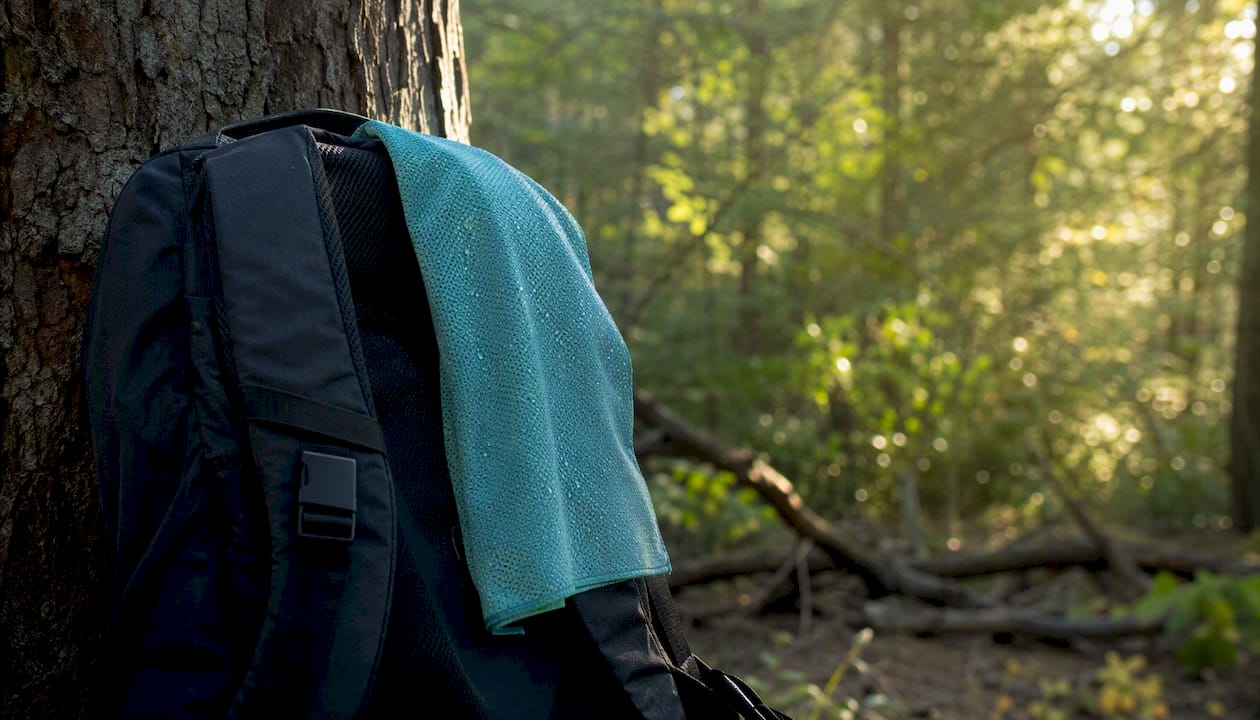
Cooling towels, the kind that activate with water and stay cool through evaporation, work well for daytime activities like hiking back into camp or cooking over a hot stove, though they lose effectiveness in high humidity where evaporation slows down.
Portable propane or electric heaters extend cold-weather camping into shoulder seasons that would otherwise feel miserable, but they come with a real safety requirement: never run a fuel-burning heater inside a fully sealed tent. Carbon monoxide risk is serious, and any heater rated for tent use will specify ventilation requirements on the packaging. A safer, no-flame alternative is an electric heater paired with a high-capacity power station, which sidesteps the ventilation issue entirely as long as your battery has enough watt-hours to run it through the night.
For readers weighing portability against power output on any battery-powered gear, from fans to speakers, the tradeoffs are similar to what portability research in outdoor equipment generally finds: smaller units run shorter and cheaper, larger units run longer and cost more, and there's rarely a version that wins on both.
Why Comfort Changes Whether a Trip Gets Finished or Abandoned Early
Comfort isn't a luxury add-on to camping; it's the difference between a trip that gets finished and one that gets cut short on day two. A single cold, sleepless night has ended more planned four-day trips than bad weather or equipment failure ever has, because a miserable night compounds into a miserable outlook on everything that follows, from cooking breakfast to packing the car early out of sheer exhaustion.
The pattern holds across every category in this guide: heat loss, poor support, and dampness are the three failures that turn a minor discomfort into a trip-ending decision. Fix those three systematically, insulate the ground, support the body, keep everything dry, and the rest of the comfort gear (chairs, lighting, coolers) becomes the difference between a good trip and a great one, rather than the difference between staying and leaving.
Shop Life Camp Adventure's Curated Comfort Gear
If you want the fastest path from this guide to an actual upgraded campsite, Lifecampadventure's curated comfort picks bundle the categories that matter most, so you're not piecing together a sleep system, a chair, and a power setup from five different listings.
The camping gear comparison page groups top-tested picks by category, including sleep pads with clearly listed R-values, reclining chairs with rated weight capacities, and power stations sorted by watt-hour output, so you can shop by the priority order laid out in this guide rather than guessing at specs. Every product page lists dimensions, capacity, and price up front, and standard return policies apply if a pad or chair doesn't fit your setup the way you expected. Start with the car camping packing list to see exactly which comfort items to add to your next trip's checklist.
Sources
These sources were chosen because they combine hands-on testing with practical, field-tested advice rather than generic packing tips, covering everything from sleep-system science to insulation standards.
- Best Camping Accessories
- Our Favorite Car Camping Gear From REI: Camp Comforts
- How to Sleep Comfortably in a Tent
- How to Make Tent Camping More Comfortable (Proven Hacks)
- How to stay warm while camping
