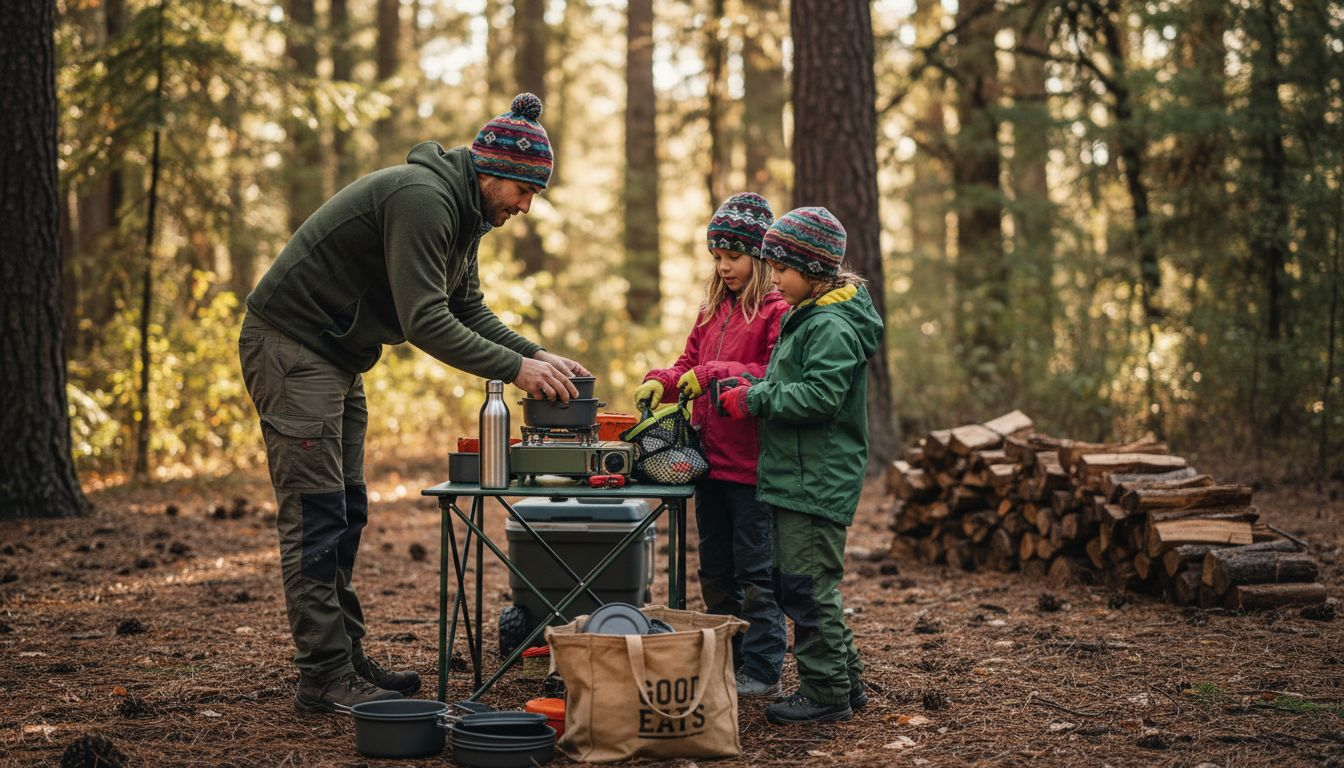
Cooking outdoors with your family can quickly become stressful when you are missing the right equipment. Unpredictable weather, limited space, and unfamiliar tools often turn mealtime into a challenge instead of a relaxing part of your adventure. Without the right gear, preparing and enjoying food together becomes much more difficult than it needs to be.
The good news is there are specific tools and strategies that make campsite cooking much easier and more enjoyable. From lightweight stoves to durable cookware and clever storage ideas, each item on this list is chosen to address typical outdoor cooking headaches.
Get ready to discover solutions that will transform your outdoor kitchen. You will learn exactly what to pack, why these items matter, and how to make every camp meal simple, safe, and satisfying.
Quick Summary
| Key Message | Explanation |
|---|---|
| 1. Choose the right portable stove | Select a stove based on your camping style, group size, and cooking needs for optimal performance. |
| 2. Invest in durable cookware | Look for lightweight, easy-to-clean sets made of stainless steel or anodized aluminum for effective outdoor meals. |
| 3. Pack versatile utensils | Use multifunctional tools to maximize cooking efficiency and save space in your camping gear. |
| 4. Ensure proper food storage | Keep perishable foods at safe temperatures using insulated coolers to prevent spoilage and illness. |
| 5. Develop a cleaning strategy | Organize cleaning supplies and follow systematic protocols to maintain hygiene and efficiency in your camp kitchen. |
1. Portable Camp Stove for Easy Outdoor Cooking
When it comes to family camping trips, a reliable portable stove can transform your outdoor cooking experience from challenging to convenient. Modern portable camp stoves are lightweight cooking solutions designed to make meal preparation simple and efficient in the wilderness.
Portable stoves offer tremendous flexibility for outdoor enthusiasts. They typically feature:
- Compact and lightweight designs
- Multiple fuel options (gas cartridges, alcohol, wood)
- Integrated windshields for efficient cooking
- Easy setup and quick heat generation
A good portable camp stove is the difference between a frustrating meal and a delicious campsite feast.
Choosing the right stove depends on your family's specific camping style. Weight considerations matter for backpackers, while cooking capacity becomes crucial for larger family groups. Some stoves weigh less than two pounds and can boil water in minutes, making them ideal for quick trail meals or more elaborate campsite cooking.
When selecting a portable stove, consider factors like group size, trip duration, and cooking complexity. Lightweight alcohol stoves work well for minimalist backpackers, while larger propane models suit car camping families who want more cooking versatility.
Pro tip: Always pack a backup lighter and extra fuel canister to ensure you can prepare meals regardless of unexpected circumstances.
2. Durable Cookware Sets for All Camp Meals
Family camping demands cookware that can withstand rugged outdoor conditions while delivering delicious meals. Reliable cookware sets are essential for creating memorable dining experiences in the wilderness.
The best camping cookware combines durability with versatility. Look for sets featuring:
- Stainless steel or anodized aluminum construction
- Lightweight and compact designs
- Even heat distribution
- Nonstick and easy-to-clean surfaces
- Nested storage for space efficiency
Quality cookware transforms campsite meals from basic to extraordinary.
Material selection matters significantly when choosing outdoor cooking equipment. Stainless steel offers exceptional durability and resistance to corrosion, while aluminum provides lightweight performance with excellent heat conduction.
Modern camping cookware sets prioritize both functionality and safety. Non-toxic cooking surfaces ensure your family enjoys meals without potential health risks, with options like ceramic and stainless steel providing safe cooking alternatives.
Pro tip: Pack a small scrubber and biodegradable soap to maintain your cookware's performance and extend its lifespan during camping trips.
3. Utensils and Tools for Every Recipe
Camping cuisine demands more than just great ingredients the right kitchen utensils and tools can transform your outdoor cooking experience from basic to extraordinary.
A comprehensive camping utensil kit should include versatile tools that maximize your cooking potential:
- Multifunctional chef's knife
- Compact cutting board
- Lightweight tongs
- Collapsible mixing bowls
- Measuring cups and spoons
- Spatula and cooking spoons
- Can opener
- Vegetable peeler
Smart campers know that versatile tools make meal preparation easier and more enjoyable.
Proper utensil selection matters for creating diverse camp meals. Stainless steel and heat-resistant materials ensure durability and safety in outdoor cooking environments. Choosing compact tools that nest together saves precious storage space in your camping gear.
Pay special attention to cross-contamination prevention by packing separate cutting boards for meats and vegetables. Multipurpose tools maximize efficiency and reduce the number of items you need to carry.
Pro tip: Pack utensils in a clear waterproof bag and include a small microfiber cloth for quick cleaning and drying between uses.
4. Coolers and Food Storage to Keep Ingredients Fresh
Ensuring food safety during camping requires strategic food storage techniques that protect your ingredients from spoilage and potential health risks. A well-planned cooler strategy is your first line of defense against foodborne illnesses.
Effective camping food storage involves several critical components:
- High-quality insulated coolers
- Reliable ice packs or frozen gel packs
- Separate containers for raw and prepared foods
- Waterproof food storage bags
- Temperature monitoring tools
- Proper food packaging materials
Temperature control is the secret weapon of successful outdoor cooking.
Temperature management is crucial for preventing bacterial growth. Perishable foods must be kept below 40°F to maintain safety and quality. Pack your cooler strategically by placing ice packs at the bottom and sides to create consistent cooling zones.
Organize your cooler with dedicated sections for different food types. Minimize cooler opening frequency to maintain internal temperature and prevent rapid heat infiltration. Use separate containers for raw meats to avoid cross-contamination and potential foodborne illness.
Pro tip: Pre-chill your cooler and ingredients before packing to extend overall cooling performance and reduce ice consumption.
5. Lightweight Cutting Boards and Knives
Camping cuisine demands compact yet reliable cutting board solutions that balance performance with portability. Your outdoor kitchen requires tools that are lightweight, durable, and safe for food preparation in challenging environments.
Ideal camp cutting boards and knives should feature:
- Compact and portable designs
- Antimicrobial materials
- Nonporous surfaces
- Lightweight construction
- Multiple size options
- Easy cleaning capabilities
- Protective storage cases
Precision tools transform wilderness cooking from survival to culinary art.
Material selection matters significantly when choosing camping cutting boards. Bamboo and natural wood fiber composites offer excellent durability without excess weight. Stainless steel or carbon steel knife blades provide reliable cutting performance while resisting corrosion in outdoor conditions.
Consider multi-purpose knife designs that include integrated features like bottle openers or small tool attachments. Knife safety remains paramount during outdoor meal preparation. Always pack knives with protective sheaths and store them securely when not in use.
Pro tip: Wrap knife blades in kitchen towels and store in rigid containers to prevent accidental damage to other camping gear.
6. Nonstick Pans for Quick and Simple Cleanup
Camping meals become dramatically easier with nonstick cookware solutions that simplify cooking and cleanup in outdoor environments. The right pan can transform your camp cooking experience from challenging to convenient.
Ideal nonstick camp pans should include:
- Ceramic-based coatings
- Lightweight materials
- Quick heat distribution
- Easy food release
- Minimal cleaning requirements
- Compact storage design
- Scratch-resistant surfaces
- Versatile cooking capabilities
Great cookware turns outdoor meal preparation from chore to pleasure.
Chemical safety matters significantly when selecting camping cookware. Traditional fluoropolymer coatings raise environmental concerns, making ceramic and mineral-based nonstick alternatives increasingly popular among conscientious campers.
Choose pans that balance performance with safety. Lightweight design enhances portability and ensures your camp kitchen remains efficient without unnecessary bulk. Consider pans with reinforced coatings that resist scratching and maintain nonstick properties across multiple trips.
Pro tip: Use silicone or wooden utensils with your nonstick pans to prevent coating damage and extend their functional lifespan during camping adventures.
7. Fuel Sources and Safe Storage Tips
Camping fuel management requires careful planning and understanding of portable fuel container safety to ensure a safe and successful outdoor cooking experience. Proper fuel storage and handling can prevent potential accidents and maintain your camping equipment's reliability.
Key considerations for camping fuel storage include:
- Use child-resistant fuel containers
- Store in well-ventilated areas
- Keep away from heat sources
- Use metal containers with spill-prevention spouts
- Maintain tight container closures
- Follow proper labeling guidelines
- Protect containers from physical damage
Responsible fuel management transforms potential risks into reliable adventure preparation.
Fuel type selection matters significantly when planning outdoor cooking. Propane and butane canisters offer convenient, compact solutions for camp stoves, while liquid fuels provide alternative options for longer trips.
Safety precautions prevent potential hazards. Always inspect fuel containers before each trip, ensure proper sealing, and store them in designated compartments away from sleeping and cooking areas. Consider temperature variations and potential environmental impacts when selecting and storing fuel sources.
Pro tip: Pack fuel containers in sealed plastic bags to contain potential leaks and prevent contamination of other camping gear.
8. Cleanup Gear for Stress-Free Camp Kitchens
A well-planned camp kitchen cleanup strategy transforms your outdoor cooking experience from messy to manageable. Proper cleanup protocols ensure hygienic conditions and make post-meal responsibilities quick and efficient.
Essential cleanup gear for camp kitchens should include:
- Biodegradable dish soap
- Collapsible wash basin
- Microfiber cleaning cloths
- Scrub brushes with protective covers
- Portable water containers
- Sanitizing wipes
- Compact drying rack
- Garbage bags with tight seals
A clean campsite is a happy campsite.
Systematic cleaning prevents cross-contamination and maintains a healthy outdoor cooking environment. Break down your cleanup process into strategic steps: dry scraping, washing with hot water and biodegradable soap, thorough rinsing, and air drying.
Minimalist cleaning tools maximize efficiency while reducing environmental impact. Choose lightweight, multipurpose items that pack easily and perform multiple functions. Consider compact, quick-dry materials that resist bacteria and dry rapidly in outdoor conditions.
Pro tip: Pack cleaning items in a separate waterproof bag and organize them by function to streamline your campsite cleanup routine.
Below is a summary table providing an overview of the essential equipment and considerations for efficient and safe camping cooking and meal preparation.
| Category | Key Features | Advantages |
|---|---|---|
| Portable Camp Stoves | Lightweight, compact designs, diverse fuel compatibility, windshields | Ease of outdoor cooking, efficient heating |
| Cookware Sets | Durable materials like stainless steel or anodized aluminum, nested storage | Versatile meal preparation, space efficiency |
| Utensils and Tools | Multifunctional knives, cutting boards, collapsible bowls, storage solutions | Streamlined preparation of diverse recipes |
| Coolers and Food Storage | Insulated coolers, ice pack strategies, organized sections | Maintained food freshness, reduced spoilage risks |
| Cutting Boards and Knives | Antimicrobial and nonporous surfaces, protective storage cases | Enhanced portability and safety |
| Nonstick Pans | Ceramic-based coatings, lightweight, scratch-resistant | Easy cleaning, versatile cooking capabilities |
| Fuel Sources | Safe containers, proper labeling, spill prevention measures | Reliable cooking fuel, minimized risks |
| Cleanup Gear | Biodegradable soap, collapsible tubs, microfiber cloths | Simplified post-meal cleanup, environmentally conscious choices |
Elevate Your Family Camp Cooking with Gear Designed for Adventure
Preparing wholesome meals in the great outdoors can be challenging. From managing portable stoves and durable cookware to ensuring safe food storage and cleanup, the article highlights critical pain points every family camper faces. Issues like fuel safety, lightweight utensils, and easy-to-clean nonstick pans demand reliable solutions that blend convenience with durability. If you want to transform campsite cooking from tricky to enjoyable, selecting equipment that matches your family's style and needs is essential.
At Life Camp Adventure, we understand these needs deeply. We offer high-quality camping gear engineered for comfort, reliability, and ease of use. Whether you require portable stoves that heat quickly, compact cookware sets for all your family meals, or safe fuel storage options, our products ensure cooking outdoors feels effortless. This means more time enjoying your adventure and less time worrying about gear failures or safety.
Discover our gear that supports every camp cooking essential outlined in the article. Start equipping your family for safe, efficient, and delicious outdoor meals today at Life Camp Adventure. Explore our full range of durable equipment and get ready to cook with confidence on your next adventure.
Frequently Asked Questions
What should I look for in a portable camp stove for my family?
To choose a suitable portable camp stove, consider factors like weight, fuel options, and cooking capacity. Ensure it suits your family's camping style, such as lightweight models for backpacking or larger stoves for car camping.
How do I select the right cookware set for family camping trips?
When selecting a cookware set, prioritize durability and compactness, choosing materials like stainless steel or anodized aluminum. Look for nonstick and easy-to-clean surfaces, and ensure the set is designed for even heat distribution to enhance your cooking experience.
What essential utensils and tools do I need for camp cooking?
A comprehensive camping utensil kit should include a multifunctional chef's knife, lightweight tongs, measuring cups, and a collapsible mixing bowl. Pack versatile tools that save space and enhance meal preparation efficiency to make cooking easier.
How can I safely store food while camping?
To keep ingredients fresh, use high-quality insulated coolers and properly packaged food. Monitor cooler temperatures to keep perishables below 40°F, and organize your cooler to minimize opening frequency, ensuring food safety during your camping trip.
What are the best practices for cleaning up after cooking at camp?
Implement a systematic cleanup process that includes dry scraping, washing with biodegradable soap, and thorough rinsing. Pack essential cleanup gear, such as a collapsible wash basin and microfiber cloths, to streamline your camp kitchen cleanup routine and maintain hygiene.
How should I manage fuel sources for my portable camp stove?
Proper fuel management is key to safety during camping. Use child-resistant containers for fuel, store them in well-ventilated areas, and check container seals before each trip to prevent leaks and ensure safe storage.
