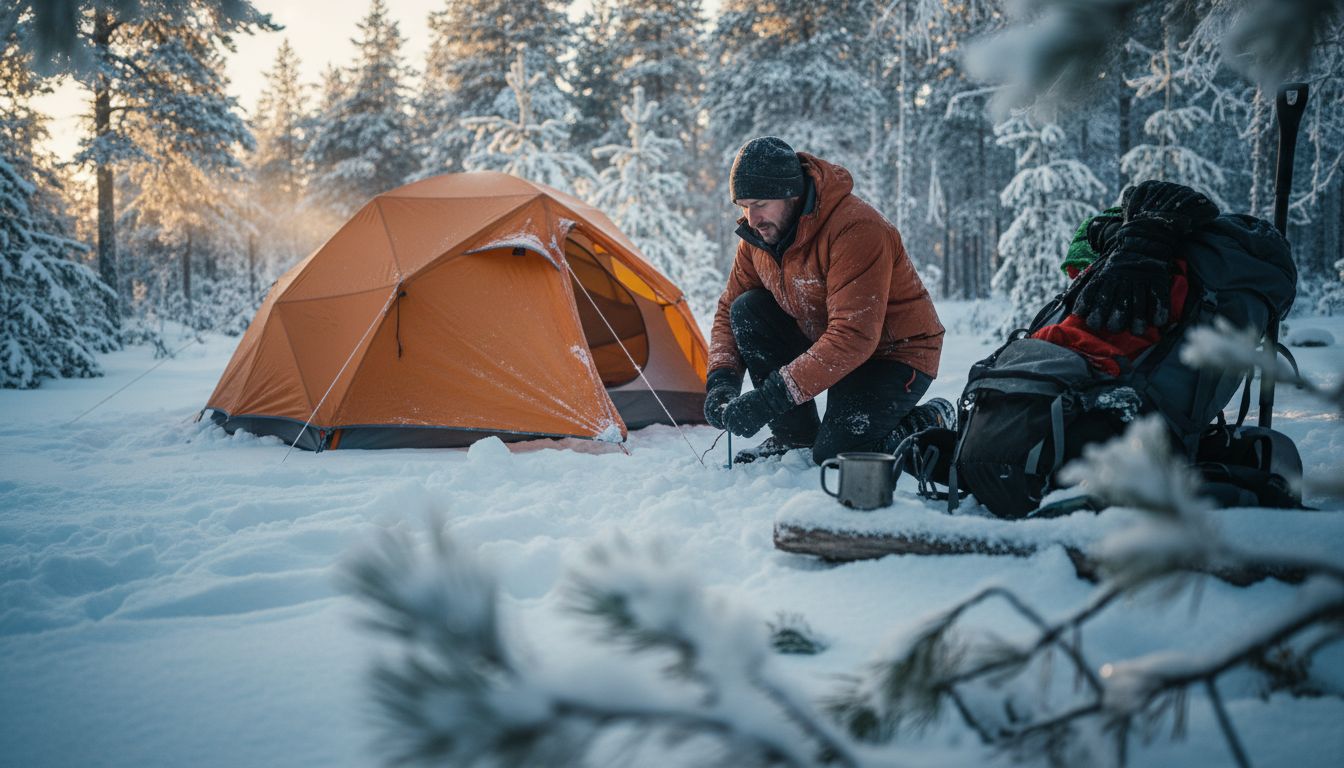
8 Essential Winter Camping Tips for Outdoor Adventurers
Finding the right gear for American winter camping can feel like a test of survival skills. Temperatures often plunge well below freezing, and even experienced campers face unexpected hazards. Staying safe and comfortable during these trips requires more than just a sturdy tent or thick jacket. This guide delivers the most effective strategies and key equipment upgrades so you can handle any cold-weather challenge with confidence. Over 60 percent of American campers underestimate the weather risks in winter, but careful preparation makes all the difference.
Quick Summary
| Takeaway | Explanation |
|---|---|
| 1. Choose a Four-Season Tent | A four-season tent provides essential protection from harsh winter conditions, ensuring safety and warmth during your trips. |
| 2. Select the Right Sleeping Bag | Opt for a sleeping bag rated 10-15 degrees lower than expected temperatures to enhance warmth and comfort during cold nights. |
| 3. Dress in Layers for Warmth | Employ a three-layer clothing system to effectively regulate body temperature and manage moisture while winter camping. |
| 4. Pack High-Energy Foods | Include calorie-dense foods for sustained energy; your body requires more calories in cold conditions to maintain warmth. |
| 5. Prepare Emergency Kits | Create a comprehensive emergency kit with essential supplies and navigation tools to ensure safety and preparedness in the wilderness. |
1. Choose a Four-Season Tent for Cold Protection
When winter camping, your tent becomes more than just shelter it becomes your lifeline against harsh environmental conditions. Selecting the right four-season tent is crucial for surviving and enjoying cold weather outdoor adventures.
A true four-season tent differs dramatically from standard three-season models by offering robust protection against snow, wind, and extreme temperatures. Four-season tents feature a reinforced frame designed to handle significant snow loads while maintaining structural integrity under challenging conditions.
Key Features to Look For:
- Double Wall Construction: Provides superior insulation and prevents internal condensation
- Sturdy Pole Structure: Reinforced aluminum or carbon fiber poles that resist bending under snow weight
- Minimal Mesh: Reduced mesh panels to block cold winds and retain warmth
- Full Coverage Rainfly: Extended rainfly that reaches close to the ground for maximum wind protection
When shopping for a winter tent, prioritize durability and thermal efficiency over weight. While four-season tents are typically heavier, the added protection is worth the extra pounds when temperatures drop. Look for tents with steep wall angles that allow snow to slide off easily and prevent accumulation that could compromise structural integrity.
Pro tip: Always test your tent setup before your actual winter trip. Practice pitching it in cold conditions and understand how its features work to protect you from winter's unpredictable elements.
2. Pick the Right Sleeping Bag and Sleeping Pad
Successful winter camping hinges on staying warm and comfortable during freezing nights, which means your sleeping system is arguably the most critical gear investment you will make. Selecting the right sleeping bag and pad combination can mean the difference between a miserable night and a restful outdoor experience.
Sleeping Bag Temperature Rating
- Choose a bag rated for temperatures 10 to 15 degrees lower than the expected nighttime temperatures
- Look for bags with down or synthetic insulation specialized for cold weather performance
- Consider mummy-style bags that provide better thermal efficiency
Sleeping Pad Insulation Strategy Combining multiple sleeping pads can dramatically improve ground insulation. Experienced winter campers recommend using a closed-cell foam pad as a base layer and an inflatable insulated pad on top, which creates a robust barrier against ground cold.
Key Considerations for Winter Sleeping Systems:
- R Value Matters: Aim for a combined pad R-value of at least 5 for adequate winter insulation
- Closed Cell Foam Base: Provides reliable insulation and protects against ground moisture
- Inflatable Pad: Adds comfort and additional thermal protection
- Bag and Pad Compatibility: Ensure your sleeping bag and pad work together effectively
Pro tip: Always test your winter sleeping setup in controlled conditions before heading into the backcountry. Practice setting up your sleeping system and understand how each component contributes to your overall warmth and comfort.
3. Dress in Warm, Layered Clothing for Winter
Successful winter camping demands a strategic approach to clothing that goes far beyond simply throwing on the thickest jacket you own. Proper layering is the key to maintaining body temperature and managing moisture in cold outdoor environments.
The Three Layer System:
Base Layer: Start with moisture-wicking fabrics like merino wool or synthetic materials that pull sweat away from your skin. These materials keep you dry and prevent the chilling effect of wet clothing.
Insulating Layer: Add an intermediate layer of fleece, wool, or down that traps warm air close to your body. Think puffy jackets, thick sweaters, or specialized thermal midlayers that provide significant warmth without adding excessive weight.
Outer Layer: Your final barrier against wind and precipitation should be a waterproof and windproof shell. Look for jackets and pants with sealed seams and breathable membranes that protect you from external moisture while allowing internal perspiration to escape.
Critical Clothing Considerations:
- Avoid cotton materials that retain moisture and lose insulating properties
- Choose fabrics that can be easily layered and removed as temperature changes
- Pack extra dry socks and keep them protected from moisture
- Bring lightweight, compressible insulating layers for maximum versatility
Remember that your clothing system is about adaptability. The goal is to regulate your body temperature by adding or removing layers as your activity level and environmental conditions change. Proper layering allows you to stay warm without overheating or becoming too cold, giving you maximum comfort and safety during winter outdoor adventures.
4. Pack Reliable Cooking Gear and High-Energy Food
Winter camping demands a strategic approach to nutrition and cooking equipment that goes beyond standard outdoor meal preparation. Selecting the right food and cooking gear becomes critical for maintaining energy and warmth in cold environments.
Food Strategy for Winter Camping High Energy Food Selection
- Pack calorie dense foods like nuts, dried meats, chocolate, and energy bars
- Prioritize meals with high fat and carbohydrate content
- Choose foods that are easy to prepare and require minimal water
Cooking Gear Considerations
- Bring a reliable camping stove that works in low temperatures
- Pack windproof matches or a reliable lighter
- Carry lightweight cookware that conducts heat efficiently
Recommended Winter Meal Types:
- Instant oatmeal with nuts and dried fruit
- Dehydrated soup mixes
- Protein bars and trail mix
- Freeze dried camping meals
- Hot chocolate and electrolyte drink mixes
Pro tip: Your body burns more calories staying warm in winter, so plan to consume approximately 25% more food than you would during summer camping trips. Preparing hot meals not only provides necessary nutrition but also helps maintain core body temperature and boosts morale during cold outdoor adventures.
5. Master Safe Fire Building Techniques
Fire is your lifeline in winter wilderness survival, providing warmth, cooking capability, and psychological comfort during challenging outdoor conditions. Constructing a safe and effective fire in winter requires strategic planning and precise execution.
Fire Location Essentials:
- Select a sheltered area protected from wind
- Clear snow from the ground to create a stable fire platform
- Ensure surrounding area is free from overhanging branches
- Keep fire at least 15 feet from tent and gear
Fire Building Preparation Gathering Materials:
- Collect dry tinder like birch bark, pine needles, and small twigs
- Bring waterproof matches or reliable lighter
- Pack fire starter blocks for emergency ignition
- Carry extra kindling in waterproof containers
Fire Construction Steps:
- Create a base platform using dry logs or rocks
- Build fire in pyramid or teepee structure for maximum airflow
- Start with smallest tinder and progressively add larger materials
- Maintain consistent oxygen flow by careful material placement
Pro tip: Always carry multiple fire starting methods and practice your technique before heading into wilderness areas. A reliable fire can mean the difference between comfort and potential hypothermia in winter camping scenarios.
6. Select Proper Winter Footwear and Socks
Your feet are your most critical connection point with the winter landscape, making proper footwear selection essential for comfort and safety during cold weather camping. Winter boot selection requires strategic consideration of insulation, waterproofing, and moisture management.
Boot Selection Criteria:
- Choose waterproof boots with rated insulation
- Look for boots with removable liners for easier drying
- Ensure boots have sufficient room for thick socks without restricting circulation
- Select boots with aggressive tread for traction on snow and ice
Sock Layering System: Base Layer: Thin moisture-wicking synthetic or merino wool liner socks Outer Layer: Thick wool or specialized winter hiking socks
Key Considerations for Winter Foot Protection:
- Avoid cotton socks that retain moisture
- Pack extra dry socks in waterproof storage
- Change socks immediately if they become damp
- Use sock liners to reduce friction and prevent blisters
Pro tip: Always test your winter footwear system before extended trips. Walk around, simulate hiking conditions, and ensure your feet remain warm and dry. A comfortable foot is the foundation of an enjoyable winter camping experience.
7. Prepare Emergency Kits and Navigation Tools
Winter wilderness exploration demands meticulous preparation and anticipation of potential challenges. Emergency preparedness goes far beyond basic survival tools it represents your lifeline in unpredictable outdoor environments.
Emergency Kit Essentials:
- First aid supplies with winter specific treatments
- Waterproof multi tool with multiple functions
- Emergency blanket and extra clothing layers
- High energy snacks and water purification methods
- Signaling devices like whistle and emergency beacon
Navigation Tools Checklist:
- Waterproof topographic maps of specific region
- Reliable compass with declination adjustment
- GPS device with extra batteries
- Backup battery pack for electronic devices
- Physical map and compass as primary navigation method
Critical Kit Considerations:
- Store items in waterproof sealed containers
- Pack items in multiple accessible locations
- Include redundant communication and navigation tools
- Familiarize yourself with each tool before trip
Pro tip: Weight and practicality matter. Select multi purpose tools that provide maximum utility with minimal pack burden. Your emergency kit should be comprehensive yet streamlined, ready to support you through unexpected winter wilderness challenges.
8. Follow Smart Site Selection and Setup Practices
Your campsite selection can make or break a winter camping experience, transforming a potentially miserable night into a comfortable wilderness adventure. Strategic site selection involves understanding how landscape and environmental factors impact your shelter and overall safety.
Ideal Campsite Location Criteria:
- Seek flat ground with natural wind protection
- Position camp near dense tree lines or rocky ridges
- Avoid low lying areas where cold air accumulates
- Stay away from potential avalanche zones
- Maintain distance from water sources to prevent moisture exposure
Site Setup Strategies: Wind Protection:
- Use existing landscape features as natural barriers
- Angle tent entrance away from prevailing wind direction
- Create additional windbreaks using tarps or snow walls
Ground Preparation:
- Clear snow and create a compact, level surface
- Use insulating ground cloth under tent
- Pack down snow to create stable tent foundation
Additional Considerations:
- Check for potential overhead hazards like snow laden branches
- Assess ground for potential water pooling or ice formations
- Consider sunrise exposure for morning warmth
Pro tip: Always scout multiple potential campsites and have backup location options. Winter conditions can change rapidly, so flexibility and careful observation are your best tools for safe and comfortable outdoor living.
Below is a comprehensive table summarizing the main strategies and considerations for winter camping as discussed in the article.
| Topic | Description | Key Considerations |
|---|---|---|
| Four-Season Tents | Designed for snow, wind, and extreme cold protection. | Double wall construction, sturdy poles, minimal mesh, full coverage rainfly. |
| Sleeping System | Essential for warmth during cold nights. | Bags rated below expected temps, sleeping pad R-value of 5+, bag and pad compatibility. |
| Clothing Layers | Proper layering manages body temperature and moisture. | Base layer wicks moisture, insulating layer traps heat, waterproof outer layer. |
| Cooking and Nutrition | Strategic approach to maintain energy and warmth. | High energy foods, reliable stove, efficient cookware. |
| Fire Building | Critical for warmth and comfort. | Sheltered location, proper materials, layered structure. |
| Footwear and Socks | Vital for maintaining comfort and safety. | Waterproof boots with insulation, layered socks, extra pairs. |
| Emergency Preparation | Lifeline in unpredictable conditions. | First aid, navigation tools, communication devices. |
| Campsite Selection | Influences comfort and safety. | Flat ground, wind protection, avoidance of hazards. |
Gear Up for Winter Camping Success with Life Camp Adventure
Winter camping challenges like staying warm, protecting against harsh elements, and ensuring reliable gear can feel overwhelming. Whether you need a durable four-season tent, high-quality insulated sleeping bags, or dependable footwear designed for cold weather, Life Camp Adventure understands your priorities. Our expertly crafted camping equipment helps you conquer the cold while keeping comfort and safety front and center.
Key solutions that elevate your winter adventures:
- Robust tents built for snow and wind resistance
- Sleeping systems that prioritize insulation and comfort
- Clothing and footwear designed for moisture management and warmth
Don’t let winter conditions hold you back. Visit Life Camp Adventure today to explore gear that matches every essential tip from your winter camping checklist. Prepare confidently with trusted supplies and make your cold weather expeditions safer and more enjoyable. Start your adventure now at https://lifecampadventure.com.
Frequently Asked Questions
What should I look for in a four-season tent for winter camping?
Choosing a four-season tent is crucial for winter camping. Look for features like double-wall construction for insulation, sturdy pole structures to withstand snow loads, and minimal mesh to block cold winds. Prioritize durability and thermal efficiency to ensure a safe and comfortable shelter.
How do I select the right sleeping bag for winter camping?
Select a sleeping bag rated for temperatures at least 10 to 15 degrees lower than expected nighttime lows. Choose down or synthetic insulation and consider a mummy-style design for better warmth retention. Test your bag at home by camping out in similar temperatures to ensure it's suitable for your needs.
What clothing layers should I wear for winter camping?
Utilize a three-layer clothing system consisting of a moisture-wicking base layer, an insulating middle layer, and a waterproof outer layer. Avoid cotton fabrics, as they retain moisture, which can lead to chilling. Make sure to adjust layers according to your activity level to maintain comfort and warmth.
What food should I pack for winter camping trips?
Pack high-energy, calorie-dense foods suitable for cold weather, such as nuts, dried meats, chocolate, and instant oatmeal. Prioritize meals that are easy to prepare and require minimal water. Aim to consume about 25% more food than you would during summer trips to help maintain energy levels in the cold.
How can I ensure a safe and effective fire in winter?
To build a safe fire in winter, choose a sheltered location and clear snow from the ground. Gather dry tinder and materials, then construct your fire in a pyramid or teepee shape for optimal airflow. Practice your fire-building technique beforehand to ensure success in challenging winter conditions.
What should I include in my winter camping emergency kit?
Include essential items in your emergency kit such as a first aid supply, a multi-tool, extra clothing layers, and high-energy snacks. Ensure you have reliable navigation tools like waterproof topographic maps and a compass. Familiarize yourself with each item before your trip to enhance your preparedness.
