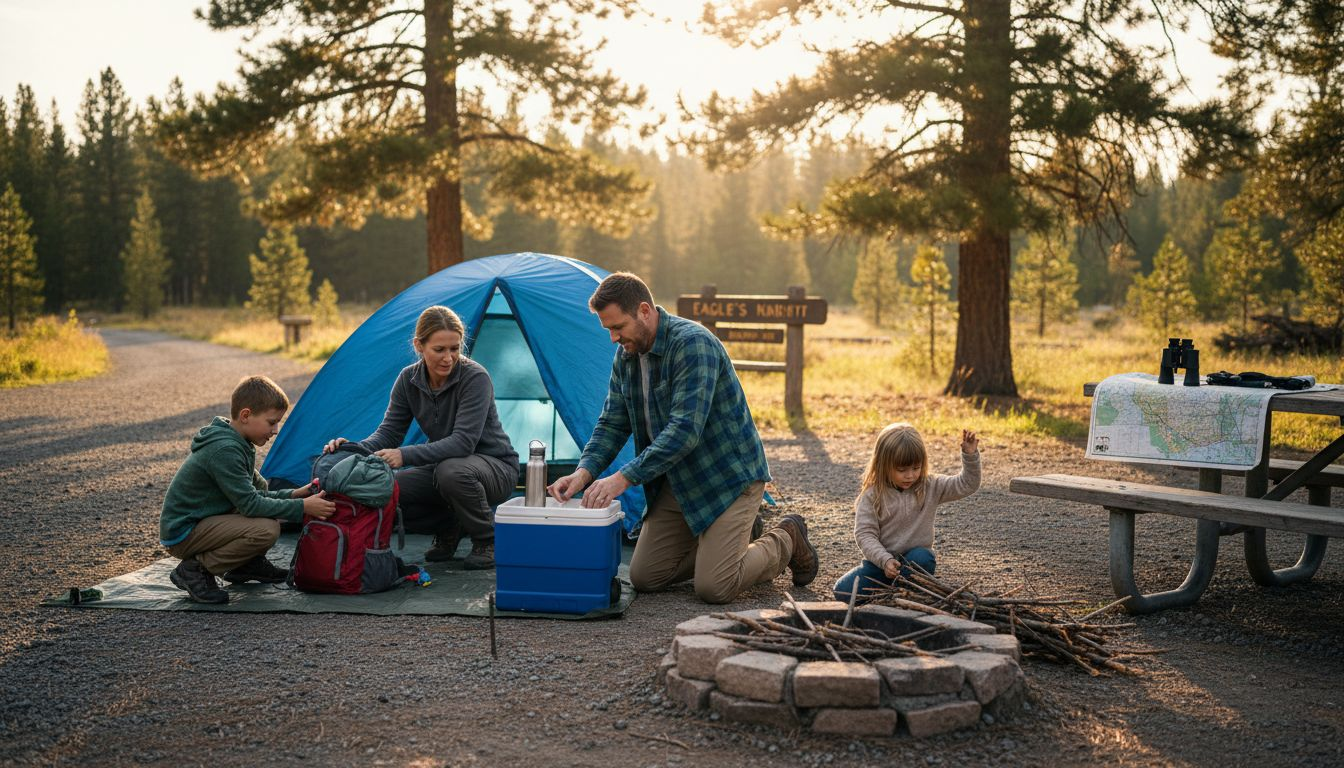
Every adventurous American family wants to create unforgettable memories in the outdoors, but finding beginner-friendly camping experiences can feel overwhelming. With over 300 million annual visitors to United States national parks, it is clear families crave safe, accessible ways to connect with nature. This guide helps you confidently choose the right gear and simple outdoor activities so your weekend camping trips are filled with exploration and comfort, not stress.
Quick Summary
| Key Message | Explanation |
|---|---|
| 1. Choose family-friendly national parks | Look for parks with essential facilities and moderate terrains, such as Yellowstone and Yosemite, for enjoyable camping experiences. |
| 2. Plan ahead for camping trips | Book campsites months in advance to secure your spot, especially during peak seasons when availability is limited. |
| 3. Start with easy hiking trails | Opt for trails with flat terrain and short distances, ensuring all family members can enjoy the outdoor experience. |
| 4. Invest in basic fishing gear | Use lightweight fishing rods and tackle boxes suited for beginners; this simple investment will facilitate a successful fishing outing. |
| 5. Engage in educational outdoor activities | Utilize programs like junior ranger events or guided nature walks to enrich your family’s outdoor learning and appreciation for the environment. |
1. Camping in National Parks for First-Time Families
Discovering the great outdoors through camping in national parks offers families an incredible opportunity to connect with nature and create unforgettable memories. The United States boasts 63 national parks, each providing unique landscapes and camping experiences for beginners.
National parks provide an ideal environment for first-time family campers, offering a range of campground options from easily accessible car camping sites with amenities to more adventurous backcountry locations. These parks are designed to accommodate families of all experience levels, ensuring a safe and enjoyable outdoor experience.
When planning your first national park camping trip, focus on choosing a park with family-friendly facilities and moderate terrain. Popular parks like Yellowstone, Yosemite, and Great Smoky Mountains offer well-maintained campgrounds with restrooms, potable water, and designated camping areas that make novice campers feel comfortable and supported.
Preparing for your camping adventure requires careful planning. Pack essential gear including a sturdy tent, sleeping bags, comfortable clothing, first aid kit, and sufficient food and water. Many national parks recommend booking campsites months in advance, especially during peak summer seasons when availability is limited.
To maximize your family's enjoyment, start with shorter trips and gradually build camping skills. Consider selecting parks near your home for initial experiences, which reduces travel stress and allows easier return if unexpected challenges arise.
Pro tip: Research your chosen national park's specific regulations and reservation systems at least three months before your planned camping date to secure the best sites and prepare adequately.
2. Easy Day Hiking Trails for All Ages
Introducing your family to hiking is a fantastic way to explore nature, stay active, and create lasting memories together. Beginner friendly hiking trails offer the perfect opportunity for outdoor enthusiasts of all skill levels to experience the beauty of the natural world.
Day hiking provides an accessible outdoor adventure that requires minimal equipment and preparation. Unlike overnight backpacking trips, day hikes allow families to enjoy nature without extensive planning or specialized gear. These trails typically feature gentle terrain, manageable distances, and scenic views that keep everyone engaged and motivated.
When selecting a hiking trail for families, look for routes with several key characteristics: relatively flat terrain, well-marked paths, shorter distances (typically 2 to 5 miles), and interesting natural features like streams, rock formations, or wildlife viewing opportunities. National and state parks often maintain excellent trail systems designed specifically for families and beginner hikers.
Preparing for a family hike involves more than just choosing the right trail. Pack essential items including comfortable walking shoes, water bottles, light snacks, sun protection, basic first aid supplies, and layered clothing to accommodate changing weather conditions. Consider the fitness and interest levels of all family members, especially younger children, when planning your hiking route.
Many parks and recreation areas offer junior ranger programs and guided nature walks that can make hiking more interactive and educational for children. These programs often provide structured activities that help kids learn about local ecosystems, wildlife, and conservation while enjoying outdoor exploration.
Pro tip: Start with shorter, well-maintained trails and gradually increase difficulty as your family builds confidence and hiking skills.
3. Lakeside Fishing Adventures for Beginners
Fishing represents an incredible outdoor activity that connects families with nature while teaching patience and skill. Fishing in lakes and ponds offers beginners an accessible and enjoyable way to explore the outdoors.
Lakeside fishing provides a perfect introduction to the sport, with calm waters and abundant fish species creating an ideal environment for novice anglers. Common freshwater fish like bass, bluegill, and catfish are typically easier to catch and provide an exciting experience for first time fishers. Understanding basic fishing techniques and equipment is crucial for a successful and enjoyable adventure.
To get started, invest in some basic gear including a lightweight fishing rod, simple tackle box, fishing line, hooks, and appropriate bait. Many outdoor stores offer beginner fishing packages that include everything needed for a first fishing trip. Local sporting goods stores often provide recommendations for age appropriate equipment and can help select gear suited to your specific needs.
Understanding local fishing regulations is essential before heading out. Most states require a fishing license for individuals over a certain age. Research local fishing spots, learn about catch and release policies, and familiarize yourself with seasonal restrictions. Many parks and recreation areas offer guided fishing experiences that can help beginners learn fundamental skills and local fishing techniques.
Choosing the right location matters significantly. Look for lakes with calm waters, accessible shorelines, and known populations of beginner friendly fish species. State parks, community lakes, and designated fishing areas often provide excellent environments for new anglers to practice their skills without feeling overwhelmed.
Pro tip: Bring a experienced fishing friend or consider joining a local fishing workshop to learn techniques and increase your confidence on the water.
4. Beginner Kayaking on Calm Waters
Kayaking offers an incredible way to explore waterways while enjoying a full body workout and connecting with nature. Beginner kayaking techniques provide an accessible entry point for outdoor enthusiasts looking to discover the joys of paddling.
Choosing the right environment is crucial for new kayakers. Calm waters such as lakes, slow moving rivers, and protected bays provide the ideal setting for learning fundamental paddling skills. Recreational kayaks designed for stability offer beginners a comfortable and confidence building experience, allowing them to focus on technique rather than struggling to maintain balance.
Prior to getting on the water, invest in essential safety gear. A properly fitted personal flotation device is non negotiable. Additional recommended equipment includes a paddle suitable for your height, water appropriate clothing, and basic safety items like a whistle and waterproof bag for personal items. Many outdoor retailers offer beginner kayak packages that include all necessary equipment for first time paddlers.
Learning basic paddling strokes transforms a potentially intimidating experience into an enjoyable adventure. Forward strokes, sweep strokes for turning, and proper body positioning are fundamental skills that can be practiced in shallow water. Consider taking a short introductory class or joining a guided tour to receive hands on instruction from experienced kayakers.
Start with short trips and gradually build your confidence and skill level. Most beginners should plan initial outings of 30 to 60 minutes, focusing on technique and comfort rather than distance. Always check weather conditions, inform someone of your planned route, and paddle with a companion when possible.
Pro tip: Practice getting in and out of your kayak in shallow water before venturing into deeper areas to build confidence and muscle memory.
5. Scenic Nature Walks and Wildlife Watching
Nature walks offer an incredible opportunity to explore the outdoors, observe wildlife, and connect with the natural world in a meaningful way. Guided nature experiences provide families and outdoor enthusiasts with an engaging way to learn about local ecosystems and wildlife habitats.
Choosing the right location is crucial for a successful wildlife watching adventure. Look for nature preserves, national parks, and wildlife refuges that offer well marked trails and diverse habitats. These areas typically provide informational signage, viewing platforms, and opportunities to observe animals in their natural environments without disrupting their daily activities.
Preparing for a nature walk requires some basic equipment and knowledge. Bring binoculars, a field guide for local wildlife, comfortable walking shoes, weather appropriate clothing, and a small notebook for recording observations. Neutral colored clothing helps you blend into the environment and increases the likelihood of wildlife sightings. Early morning and late afternoon often provide the best opportunities for observing animals when they are most active.
Learn to move quietly and observe carefully. Wildlife watching is about patience and understanding animal behaviors. Stay on designated trails, move slowly, and use your peripheral vision to catch movement. Pay attention to sounds, tracks, and subtle environmental changes that might indicate animal presence. Many nature centers offer guided walks that teach valuable observation skills and provide insights into local ecosystems.
Consider joining local nature groups or attending ranger led programs that offer educational insights about wildlife and conservation. These programs often provide deeper understanding of animal behaviors, habitat preservation, and the intricate relationships within local ecosystems.
Pro tip: Bring a small compact camera with zoom capabilities to capture wildlife moments without disturbing the animals or their natural habitat.
6. Simple Backyard Stargazing Experiences
Stargazing transforms an ordinary evening into an extraordinary adventure of cosmic exploration right from your own backyard. Backyard astronomy for beginners offers an accessible way to connect with the vast universe surrounding our planet.
Getting started requires minimal equipment and maximum curiosity. Your eyes are the most important tool for initial stargazing experiences. Choose a dark location away from streetlights and allow approximately 20 minutes for your eyes to adjust to the night environment. Clear evenings with minimal cloud cover provide the best viewing conditions for observing stars, planets, and constellations.
Basic tools can significantly enhance your stargazing adventure. A pair of binoculars works wonderfully for beginners, offering more detailed views than naked eye observation. Smartphone apps designed for astronomy can help identify celestial objects, track planetary movements, and provide real time information about what you are observing. Many of these apps use your device's GPS to map the exact sky view from your location.
Learn to identify key constellations and prominent celestial objects. Start with easily recognizable patterns like the Big Dipper, Orion, and visible planets such as Venus and Jupiter. Understanding the movement of stars across different seasons helps predict where specific constellations will appear. Consider creating a simple star chart or using digital resources to guide your observations.
Make stargazing a family activity by turning it into a fun learning experience. Encourage children to ask questions, use simple astronomical tools, and develop a sense of wonder about the cosmos. Many local astronomy clubs offer free public viewing events that can provide additional guidance and shared excitement.
Pro tip: Use a red flashlight during nighttime stargazing to preserve your night vision and maintain the ability to see celestial objects clearly.
7. Family-Friendly Biking on Safe Trails
Cycling offers families a wonderful way to explore the outdoors, stay active, and create lasting memories together. Family friendly cycling routes provide safe and enjoyable opportunities for outdoor adventures that cater to all skill levels.
Choosing the right trail is critical for a successful family biking experience. Look for paths with smooth surfaces, minimal traffic, and gentle gradients that accommodate riders of different ages and abilities. Many local parks, rail trails, and dedicated bike paths offer excellent environments for family cycling, with wide paths and minimal elevation changes that make riding comfortable and stress free.
Safety should be the top priority when planning a family bike ride. Ensure every rider wears a properly fitted helmet, uses appropriate safety gear, and understands basic cycling rules. Consider starting with shorter routes that allow children to build confidence and develop cycling skills. Bring water, snacks, basic repair tools, and a first aid kit to manage unexpected situations during your ride.
Prepare your bikes before heading out by checking tire pressure, brakes, and overall mechanical condition. Many parks and recreation areas offer bike rentals and balance bikes for younger children, making it easier for families to enjoy cycling without purchasing multiple bikes. Some locations even provide guided family cycling tours that can help introduce children to safe riding techniques.
Make the bike ride an educational experience by discussing the natural environment, pointing out interesting landmarks, and encouraging children to observe wildlife and plant life along the trail. Incorporate fun games or challenges that keep younger riders engaged and make the experience more enjoyable for everyone.
Pro tip: Practice bike handling skills in a safe, open area before tackling trail rides to build confidence and ensure everyone feels comfortable.
Below is a comprehensive table summarizing the key outdoor activities and tips for families discussed throughout the article.
| Activity | Key Points | Tips for Beginners |
|---|---|---|
| Camping in National Parks | Explore nature and connect as a family at 63 parks with varied landscapes and facilities. | Start with parks offering family-friendly amenities and well-maintained campgrounds. Plan and book campsites early. |
| Day Hiking Trails | Accessible and scenic paths offer manageable exploration for all ages. | Choose flat, marked trails with features like streams or wildlife. Pack essentials including water, snacks, and sun protection. |
| Lakeside Fishing | Learn patience and skill while enjoying calm waters and abundant fish. | Use beginner fishing kits with lightweight gear and study local regulations. Practice catch and release policies. |
| Beginner Kayaking | Enjoy calm waters with stable kayaks for gaining paddling skills. | Prioritize safety gear such as flotation devices. Start with guided tours to learn proper techniques. |
| Nature Walks | Explore ecosystems and observe wildlife in preserves and parks. | Bring binoculars, wildlife guides, and wear neutral clothing to enhance sightings. Attend guided programs. |
| Backyard Stargazing | Discover constellations and planets under a clear night sky. | Use astronomy apps and binoculars. Allow eyes to adjust to darkness for best viewing. |
| Family Bike Riding | Cycle on safe trails with accessible and well-maintained paths. | Inspect bikes, bring tools and snacks, and ensure safety equipment like helmets. Emphasize proper riding skills. |
Elevate Your First Outdoor Adventures with Confidence
Starting outdoor activities like camping, hiking, or kayaking for the first time can feel overwhelming. The article highlights common challenges such as selecting the right gear, understanding safety essentials, and building skills gradually. Key goals include enjoying family-friendly adventures safely while feeling prepared and comfortable in nature’s diverse environments.
At Life Camp Adventure, we understand these concerns and focus on providing high-quality camping equipment, survival essentials, and adventure-ready gear designed to simplify your experiences. Whether you are planning a family camping trip in a National Park, a beginner kayaking session on calm waters, or a peaceful lakeside fishing day, our products help reduce stress by offering durability, comfort, and ease of use.
Discover our range curated specifically for newcomers to the outdoors at Life Camp Adventure. From tents that are easy to set up to reliable safety kits that build your confidence, we equip you to turn beginner challenges into memorable successes.
Ready to make your next outdoor adventure stress free and unforgettable?
Outdoor Gear for Beginners
Explore our gear collection today and start your journey with the right tools and confidence. Visit Life Camp Adventure now to gear up and embrace the great outdoors with your family safely and comfortably.
Frequently Asked Questions
What are some beginner-friendly camping tips for families in national parks?
To ensure a smooth camping experience, choose a national park with amenities catered to families, like restrooms and drinking water. Start by booking your campsite early, and prepare essential gear such as a tent, sleeping bags, and first aid supplies.
How can I find easy hiking trails suitable for kids?
Look for hiking trails that are relatively flat, well-marked, and short in distance, typically between 2 to 5 miles. Check local parks or state areas that cater to family-friendly hiking to find the best options for children.
What should I know before taking my family fishing for the first time?
Before you fish, ensure you have basic fishing gear like a lightweight rod and suitable bait. Research local fishing regulations and consider fishing in calm lakes where beginner-friendly fish, such as bass or bluegill, are plentiful.
How do I prepare for a beginner kayaking trip?
Start by choosing calm waters for kayaking, such as lakes or slow rivers, to build your confidence. Invest in safety gear, including a personal flotation device, and practice essential paddling techniques in shallow areas before venturing out.
What essentials should I bring for a nature walk with my family?
Bring binoculars, a field guide for identifying wildlife, and comfortable walking shoes for a nature walk. Packing a small notebook for observations can make the experience more interactive and educational for children.
How can I make stargazing a fun family activity?
Enhance your stargazing experience by using simple tools like binoculars and astronomy apps to identify stars and constellations. Encourage children to ask questions and explore together to foster a sense of wonder about the night sky.
