7 Essential Types of Camping Gear Every Explorer Needs
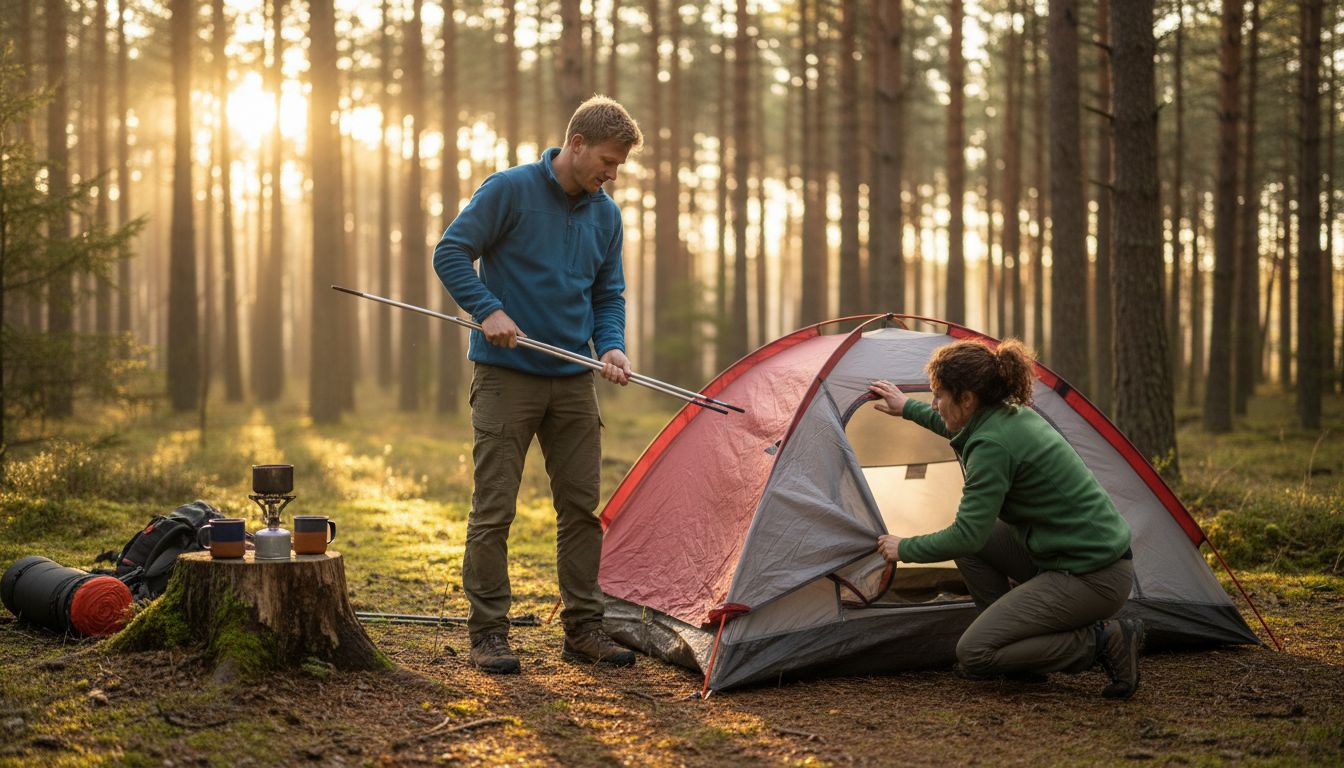
Finding the right gear can mean the difference between a memorable adventure and a tough ordeal for any American camper. Nearly 43 million Americans go camping each year, facing unpredictable weather, nighttime challenges, and the need for safe shelter and reliable equipment. If you want to make the most of the outdoors while staying comfortable and protected, understanding the essentials—from tents and backpacks to stoves and survival kits—will prepare you for any wild experience.
Quick Summary
| Key Message | Explanation |
|---|---|
| 1. Select Appropriate Tents | Choose tents based on weather resistance, size, and design for safe camping. |
| 2. Optimize Sleep Gear Choices | Use sleeping bags and pads suited for your camping conditions to ensure restful nights. |
| 3. Choose the Right Backpack | Select backpacks that fit your trip length and distribute weight effectively for comfort. |
| 4. Prioritize Cooking Gear | Opt for lightweight, reliable portable stoves and cooking accessories tailored to your adventure type. |
| 5. Invest in Navigation Tools | Carry multiple navigation and safety tools to enhance decision-making and emergency readiness in the wild. |
1. Tents and Shelters for Protection
A quality tent represents your primary defense against unpredictable wilderness conditions, transforming a potentially challenging outdoor environment into a safe and comfortable sanctuary. Understanding how to select and use the right shelter can mean the difference between an enjoyable adventure and a miserable experience.
Tents serve as your mobile home base, providing critical protection from wind, rain, insects, and temperature variations. When choosing a shelter, campers must consider factors like weather resistance, durability, weight, and portability. Modern tent designs range from lightweight backpacking models to spacious family camping structures, each engineered to meet specific outdoor needs.
The United Nations High Commissioner for Refugees (UNHCR) emphasizes that effective shelters must adapt to geographical contexts, climate, and cultural practices - a principle equally applicable to recreational camping. Your tent selection should match your specific environment and intended use.
Key considerations for tent selection include:
Weather Resistance
- Waterproof rainfly materials
- Sealed seams and quality zippers
- Adequate ventilation for condensation management
Size and Capacity
- Number of occupants
- Interior headroom
- Storage space for gear
Structural Design
- Freestanding versus stake-supported designs
- Pole material (aluminum, fiberglass, carbon fiber)
- Ease of setup and takedown
Pro tip: Always practice setting up your tent at home before your camping trip. This allows you to familiarize yourself with the setup process, identify any potential issues, and ensure all components are present and functional.
2. Sleeping Bags and Sleeping Pads for Rest
Restful sleep can make or break an outdoor adventure, and your choice of sleeping gear is crucial for comfort and recovery during camping trips. The right combination of sleeping bags and pads transforms a potentially uncomfortable night into a rejuvenating experience in the wilderness.
Sleeping bags and pads work together as a critical insulation system, protecting you from ground cold and providing essential comfort. The Washington Trails Association highlights that understanding sleeping pad types and insulation properties is key to enhancing camping comfort and ensuring quality rest in outdoor environments.
Key Components for Optimal Sleep Gear
Sleeping Bags
- Temperature rating appropriate for expected conditions
- Insulation type (down or synthetic)
- Weight and packability
- Shape (mummy, rectangular, semi rectangular)
Sleeping Pads
- R value for thermal insulation
- Thickness and cushioning
- Inflation method (self inflating, air, closed cell foam)
- Weight and compact size
Consider your specific camping environment when selecting sleep gear. A summer mountain trip requires different specifications compared to a winter wilderness expedition. Lightweight backpackers might prioritize compact designs, while car campers can opt for more luxurious and cushioned options.
Pro tip: Always pack your sleeping bag and pad in waterproof compression sacks to protect them from moisture and reduce storage space in your backpack.
3. Backpacks and Carrying Solutions
Backpacks are the critical backbone of any successful outdoor adventure, serving as your mobile storage system and lifeline in wilderness environments. Selecting the right backpack transforms your camping experience from challenging to comfortable, ensuring you can carry essential gear efficiently and safely.
Modern backpacks are engineered with sophisticated design principles that balance weight distribution, durability, and accessibility. When choosing a backpack, you need to consider multiple factors that impact your overall outdoor performance and comfort.
Critical Backpack Selection Factors
Capacity Considerations
- Daypack (15 30 liters) for short trips
- Weekend pack (30 50 liters) for multiday adventures
- Extended trip pack (50 70 liters) for extended wilderness expeditions
Design Features
- Adjustable suspension systems
- Padded shoulder straps
- Ventilated back panels
- Multiple compartment configurations
- Water resistant materials
The key is finding a backpack with versatile carrying solutions that match your specific outdoor activities and physical requirements. Your backpack should feel like a natural extension of your body, distributing weight evenly and minimizing strain during extended treks.
Weight Distribution Techniques
- Place heavy items closest to your back
- Use hip belt to transfer weight from shoulders
- Pack frequently used items in accessible external pockets
Pro tip: Before a major trip, practice loading and wearing your backpack around your neighborhood to identify potential comfort issues and adjust your packing strategy accordingly.
4. Cooking Gear and Portable Stoves
Cooking in the wilderness requires more than just culinary skills. Your outdoor kitchen setup can mean the difference between a delicious meal and a frustrating experience. Portable stoves have revolutionized backcountry cooking, offering compact solutions that transform remote locations into comfortable dining spaces.
When selecting cooking gear, weight, efficiency, and reliability become paramount considerations. Modern portable stoves range from ultralight backpacking models to robust basecamp cooking systems, each designed to meet specific outdoor cooking needs.
Portable Stove Categories
Fuel Types
- Canister gas stoves
- Liquid fuel stoves
- Wood burning stoves
- Alcohol stoves
Performance Factors
- Boil time
- Wind resistance
- Fuel efficiency
- Total weight
- Ease of maintenance
Consider your specific adventure when choosing cooking equipment. Weekend backpackers might prioritize lightweight portable stoves with compact design, while base camp enthusiasts could opt for more robust multi burner systems.
Essential Cooking Accessories
- Lightweight cookware
- Compact utensil set
- Windscreen
- Fuel storage containers
- Multipurpose cooking tools
Pro tip: Always pack a backup ignition source like waterproof matches or a lighter, and practice operating your stove at home before your outdoor adventure to understand its specific operational nuances.
5. Lighting: Lanterns, Flashlights, and Headlamps
Lighting is a critical survival tool that transforms darkness from a potential hazard into a manageable environment. Your choice of illumination can mean the difference between feeling vulnerable and maintaining complete control during nighttime outdoor adventures.
Modern camping lighting solutions offer incredible versatility, with each type of light serving unique purposes. Understanding the strengths of lanterns, flashlights, and headlamps allows you to create a comprehensive lighting strategy that keeps you safe and comfortable in any wilderness scenario.
Lighting Categories
Headlamps
- Hands free operation
- Lightweight design
- Adjustable beam width
- Multiple brightness settings
Lanterns
- Area illumination
- Longer battery life
- Stable base for camp setup
- 360 degree light distribution
Flashlights
- Concentrated beam
- Highly portable
- Durable construction
- Emergency signaling capabilities
Campers can select rechargeable lighting solutions with multiple functionality modes that adapt to various outdoor scenarios.
Key Selection Criteria
- Battery type and longevity
- Water resistance rating
- Weight and packability
- Brightness levels
- Durability
Pro tip: Always pack backup batteries or a portable charger, and test your lighting equipment before your trip to ensure reliable performance in critical moments.
6. Navigation and Safety Tools
Navigation and safety tools are your lifeline in wilderness environments where technology fails and survival depends on preparation. Understanding and carrying the right equipment can transform a potentially dangerous situation into a manageable adventure.
Modern outdoor navigation goes beyond simple map reading. Advanced tools combine traditional skills with cutting edge technology to help you maintain orientation, communicate during emergencies, and make informed decisions in unpredictable terrain.
Essential Navigation Equipment
Primary Navigation Tools
- Topographic maps
- Compass with declination adjustment
- GPS devices
- Satellite communication units
- Personal locator beacons
Emergency Safety Gear
- First aid kit
- Emergency shelter
- Signaling devices
- Multi tool
- Survival knife
Experienced adventurers understand the importance of carrying multiple navigation and communication tools that provide redundancy and reliability in critical moments.
Critical Safety Considerations
- Backup power sources
- Waterproof protective cases
- Regular equipment maintenance
- Skill training and practice
- Emergency communication protocols
Pro tip: Always inform someone trustworthy about your detailed travel plans and expected return time before embarking on any wilderness expedition.
7. Multi-Tools and Survival Kits
Survival gear represents your lifeline when traditional resources become unavailable in wilderness environments. Multi tools and comprehensive survival kits transform potential emergencies into manageable challenges by providing versatile solutions in compact packages.
Modern survival equipment integrates multiple functions into lightweight, durable designs that maximize utility while minimizing carrying weight. These tools are engineered to provide solutions across diverse scenarios from minor repairs to critical emergency responses.
Multi Tool Fundamental Components
Essential Tools
- Pliers
- Knife blade
- Screwdriver set
- Wire cutters
- Can opener
- Bottle opener
- Scissors
Survival Kit Core Elements
- First aid supplies
- Fire starting materials
- Emergency shelter
- Water purification tools
- Signaling devices
- Cordage
- Compact emergency food
Experienced outdoor enthusiasts understand the importance of selecting military grade multi tools with comprehensive functionality that can adapt to unpredictable situations.
Strategic Selection Criteria
- Durability
- Weight
- Versatility
- Material quality
- Compact design
Pro tip: Periodically inspect and maintain your multi tool by cleaning moving parts, applying light lubrication, and checking for any signs of wear or damage to ensure reliable performance during critical moments.
This table summarizes the key elements and considerations for successful outdoor camping, including essential gear and strategies for tents, sleeping equipment, backpacks, cooking gear, lighting, navigation, and survival tools.
| Category | Key Elements | Considerations |
|---|---|---|
| Tents & Shelters | Weather resistance, size, structural design | Match design to environment; test setup at home |
| Sleeping Gear | Sleeping bags (temperature, insulation), pads (R value, cushioning) | Choose based on climate and trip length; waterproof storage |
| Backpacks | Capacity, design features, weight distribution | Ensure fit and balance weight; practice wearing before trip |
| Cooking Gear | Stove fuel types, performance factors, essential accessories | Select based on weight and trip type; practice stove operation |
| Lighting Solutions | Headlamps, lanterns, flashlights | Battery life, weather resistance; bring backups |
| Navigation & Safety | Maps, GPS, emergency gear | Redundancy in tools; regular maintenance and training |
| Multi-Tools & Kits | Essential tools, survival kit elements | Durability, compactness, adaptability; inspect regularly |
Gear Up with Confidence for Your Next Outdoor Adventure
Every explorer understands that having the right camping gear can make the difference between an exciting journey and an uncomfortable ordeal. This article highlights the essential types of equipment needed for safety, comfort, and success in the wild. Whether you face harsh weather, cold nights, or the challenge of carrying your supplies efficiently, it is critical to choose gear designed for durability, ease of use, and adaptability.
Don’t let poor equipment hold you back. From sturdy tents and insulated sleeping gear to reliable backpacks and versatile multi-tools, your outdoor experience depends on trusted camping solutions. At Life Camp Adventure, we equip explorers with high-quality products made to withstand rigorous conditions and simplify your outdoor life. Explore our selection of portable stoves for hassle-free cooking, durable military grade multi-tools for survival readiness, and backpacks crafted to maximize comfort and support during your treks.
Take control of your next exploration by gearing up with dependable equipment that matches your adventure needs. Visit Life Camp Adventure today to discover the gear that turns challenges into memorable outdoor victories. Prepare smartly now to enjoy every moment outside with confidence and safety.
Frequently Asked Questions
What is the importance of a quality tent for camping?
A quality tent is essential for protecting against unpredictable weather conditions while camping. Choose a tent that is weather resistant and suited for the specific environment you plan to explore.
How do I select the right sleeping bag for my camping trip?
To select the right sleeping bag, consider the temperature rating, insulation type, and weight based on your expected camping conditions. Opt for a sleeping bag that fits comfortably and is suitable for the season you'll be camping in.
What features should I look for in a camping backpack?
When choosing a camping backpack, consider features like capacity, adjustable suspension systems, and padded straps for comfort. Make sure the backpack's design aligns with your trip duration, whether it's a day hike or an extended expedition.
How can I ensure my portable stove works effectively during my outdoor cooking?
To ensure your portable stove works effectively, test it at home before your trip to familiarize yourself with its operation. Also, pack essential cooking accessories and a backup ignition source like waterproof matches for added security.
What are the essential safety tools I should carry while camping?
Essential safety tools include a first aid kit, a compass, a GPS device, and signaling devices. Always verify that your navigation tools are working and that you have a clear emergency plan before heading out into the wilderness.
Why is it important to have a multi-tool in my camping gear?
A multi-tool is important because it provides versatility in addressing various challenges in the wilderness. Make sure to choose a multi-tool that includes basic functions like a knife, pliers, and screwdrivers to tackle a range of situations effectively.
