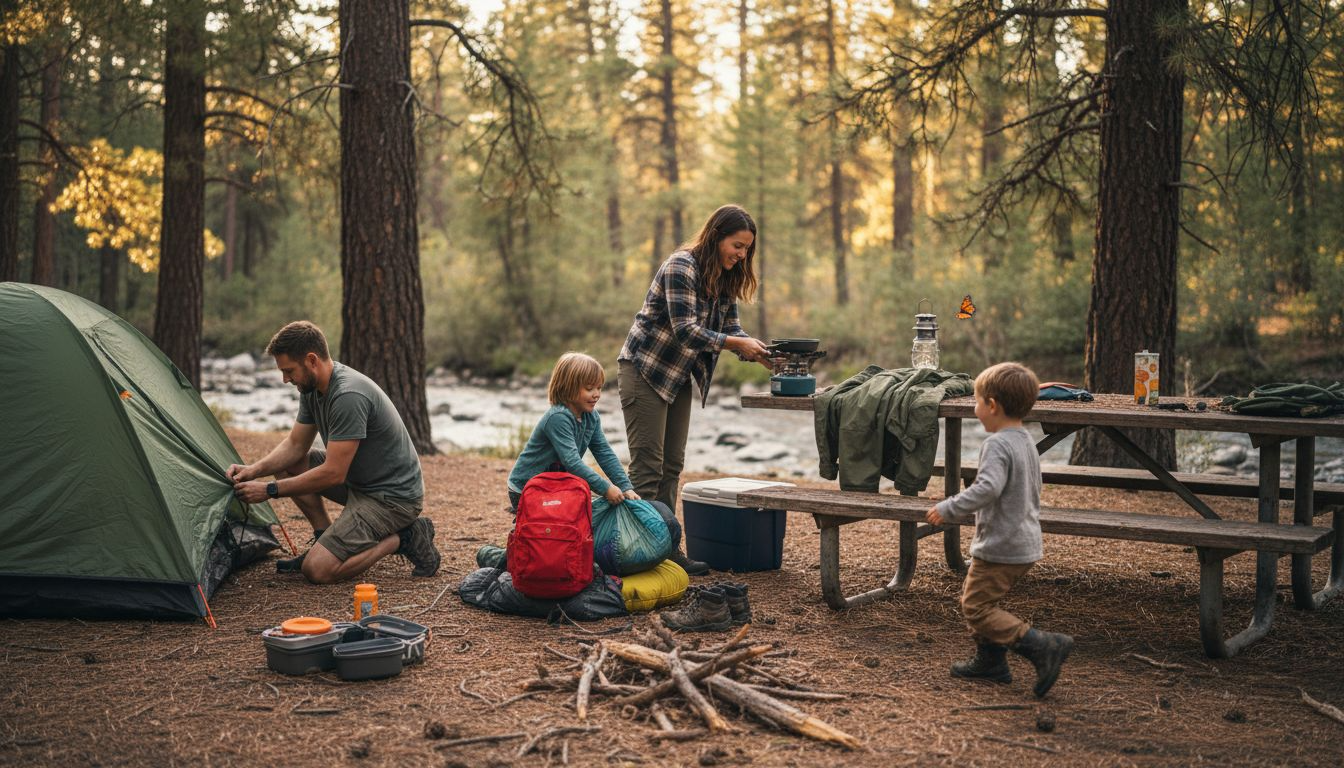
7 Essential Family Camping Tips for Safe Outdoor Fun
Nearly 40 million American families go camping each year, yet choosing the right site and preparing properly can make all the difference between adventure and frustration. For many parents, the joy of exploring the outdoors comes with questions about safety, comfort, and how to keep kids engaged far from home. This guide breaks down the essential steps American families need for a smooth, memorable camping trip everyone will actually enjoy.
Quick Summary
| Takeaway | Explanation |
|---|---|
| 1. Choose Safe Campsites | Select family-friendly campsites that prioritize safety features such as proximity to clean facilities and level ground for tents. |
| 2. Pack Essential Gear Wisely | Bring strategic, multifunctional camping gear that meets basic survival needs while reducing weight in your pack. |
| 3. Plan Simple Yet Nutritious Meals | Focus on lightweight, non-perishable foods that are easy to prepare and provide high energy, keeping everyone satisfied during activities. |
| 4. Organize a Flexible Daily Schedule | Structure your camping days with a mix of planned activities and spontaneous adventures to keep everyone engaged and excited. |
| 5. Prepare for Emergencies | Equip your family with a comprehensive first aid kit, a communication plan, and emergency protocols to ensure safety during unforeseen incidents. |
1. Choose Family-Friendly Campsites
Selecting the right campsite can transform your family outdoor adventure from stressful to spectacular. Your campsite choice sets the foundation for safety, comfort, and enjoyment during your wilderness getaway.
When planning your camping trip, prioritize locations that offer kid-friendly amenities and minimize potential risks. Researching campsites that provide safe environments means looking beyond just beautiful scenery and considering practical factors that impact family comfort.
Key Campsite Selection Criteria:
- Proximity to bathrooms and clean facilities
- Level ground for tent setup
- Distance from steep terrain or water hazards
- Available ranger stations or campground management
- Nearby walking trails suitable for children
Arrive at your chosen campsite before sunset to give yourself ample time for setup and safety assessment. Walking the immediate area helps you identify potential hazards like uneven ground, sharp rocks, or wildlife paths that might concern young campers.
Additionally, check local campground websites or contact park rangers about specific family friendly zones. Many parks designate special areas with extra supervision, gentler terrain, and closer proximity to essential facilities perfect for families with young children.
Remember: A well chosen campsite isn't just about location. It's about creating a safe, comfortable basecamp where your family can relax, explore, and build lasting outdoor memories.
2. Pack Smart With Essential Gear
Successful family camping trips start with strategic packing that balances safety, comfort, and preparedness. The right gear can transform potential challenges into memorable outdoor experiences.
Budget conscious campers understand that smart packing isn't about bringing everything but selecting versatile, essential items that cover multiple survival needs.Core Camping Gear Essentials:
- First aid kit
- Navigation tools (map and compass)
- Emergency communication device
- Water purification system
- Appropriate clothing layers
- Sun and insect protection
- Multipurpose tools
Critical Survival Items: Always pack emergency survival gear that addresses multiple potential scenarios. According to safety experts, key items should include waterproof matches, a reliable flashlight with extra batteries, clean drinking water, and a comprehensive first aid kit.
Prioritize lightweight, multifunctional equipment that saves space and weight while providing maximum utility. Choose compact items that serve multiple purposes like a Swiss Army knife or a compact emergency shelter.
Remember to pack extra clothing, medications, and enough food and water to sustain your family comfortably. Weather can change quickly outdoors, so preparedness is your best defense against unexpected challenges.
3. Plan Simple and Nutritious Meals
Camping meals can make or break your outdoor adventure, transforming a potentially stressful experience into a delightful family memory. Smart meal planning means focusing on nutritious, easy to prepare food that keeps everyone energized and happy.
Meal Preparation Strategies:
- Choose lightweight non perishable ingredients
- Pack meals that require minimal cooking equipment
- Prioritize high energy foods
- Include variety to maintain enthusiasm
Camping nutrition experts recommend selecting non perishable and simple to prepare meals that provide quick energy boosts. Granola bars, trail mix, and dried fruits become essential companions on your wilderness journey.
Food Storage Best Practices: Keep your food safe by using waterproof containers and an insulated cooler. Separate raw and cooked items to prevent potential contamination. Consider portable containers that seal tightly and resist curious wildlife.
Prepare meal components in advance at home. Precut vegetables, marinate proteins, and package individual portions. This approach reduces cooking time and cleanup while ensuring everyone gets a balanced meal.
Snack intelligently throughout the day. Portable protein sources like jerky, nuts, and energy bars can help maintain stamina during hiking and outdoor activities. Remember that proper nutrition fuels adventure and keeps family morale high.
4. Set Up a Safe and Comfortable Camp
Creating a well designed campsite is more than just pitching a tent it is about crafting a safe and welcoming outdoor home base for your family. Strategic campsite setup can dramatically improve your entire camping experience.
Campsite Setup Priorities:
- Choose level ground
- Clear area of debris
- Establish safe distance from fire zones
- Create designated activity areas
- Ensure proper tent placement
Key Safety Considerations: Position your tent away from potential hazards like dead tree branches or uneven terrain. Create a three foot clear zone around your sleeping area free from dry leaves and flammable materials. Use only battery operated lighting inside or near tents to minimize fire risks.
Rapid tent setup techniques can help you quickly establish a secure campsite. Practice assembling your tent before the trip to ensure smooth setup and reduce stress during arrival.Prioritize comfort by bringing sleeping pads, arranging gear efficiently, and creating designated areas for cooking, relaxing, and storing equipment. A well organized campsite keeps everyone safe and makes outdoor adventures more enjoyable.
5. Create a Flexible Daily Schedule
Successful family camping trips thrive on structured spontaneity. A well planned yet adaptable schedule ensures everyone stays engaged, safe, and excited about outdoor adventures.
Daily Schedule Framework:
- Morning group planning session
- Assigned age appropriate tasks
- Balanced activity and rest periods
- Flexible meal and exploration times
- Evening reflection and storytelling
Camping experts recommend embracing unplugged bonding by disconnecting from technology and focusing on shared experiences like hiking, fishing, and stargazing.
Family Engagement Strategies: Assign age appropriate tasks to children under careful supervision. Younger kids can help collect kindling, while older children might assist with tent setup or meal preparation. These responsibilities teach valuable life skills and create a sense of contribution.
Morning planning sessions allow everyone to share preferences and expectations. Discuss potential activities, safety guidelines, and individual interests. This collaborative approach ensures each family member feels heard and invested in the days adventures.
Remember that flexibility is key. While structure provides comfort, spontaneous moments often become the most cherished memories. Allow room for unexpected discoveries, impromptu explorations, and the natural rhythm of outdoor living.
6. Keep Kids Engaged With Outdoor Activities
Transforming wilderness time into an exciting adventure requires creativity and strategic planning. Engaging children in outdoor activities turns camping from potentially boring to an unforgettable family experience.
Outdoor Activity Categories:
- Nature exploration games
- Educational wildlife observations
- Physical challenge activities
- Skill building experiences
- Creative outdoor challenges
Water Safety Considerations: Camping safety experts recommend carefully planning water playtime to ensure children remain supervised near water bodies. This approach prevents unsupervised exploration while maintaining fun and excitement.
Engaging Activity Ideas: Consider treasure hunts that teach map reading skills. Create scavenger lists featuring local plant and animal species. Encourage children to sketch wildlife or collect leaves for a nature journal. Teach basic survival skills like knot tying or fire safety in playful ways that capture their imagination.
Rotate activity leadership among family members. Let kids choose daily exploration themes or suggest evening campfire activities. This approach gives children a sense of ownership and excitement about the camping experience.
Remember that boredom is the enemy of fun. Prepare a mix of structured and spontaneous activities that cater to different ages and interests. Bring lightweight games, compact art supplies, and simple outdoor learning tools to keep energy levels high and curiosity piqued.
7. Prepare for Emergencies and First Aid
Emergency preparedness transforms potential outdoor challenges into manageable situations. Understanding how to anticipate and respond to unexpected scenarios keeps your family safe and confident during wilderness adventures.
Emergency Preparation Essentials:
- Comprehensive first aid kit
- Emergency communication devices
- Weather appropriate protective gear
- Basic survival training
- Detailed medical information
Wildlife and Safety Protocols: Camping safety guides emphasize teaching children specific strategies for wildlife encounters. Instruct family members to remain calm, avoid sudden movements, and call loudly for help if they encounter unexpected animals.
Create a family emergency communication plan that includes designated meeting points, emergency contact information, and basic survival signals. Practice basic first aid techniques before your trip and ensure all family members understand fundamental safety protocols.
Pack a waterproof emergency kit containing essential items like matches, emergency blankets, extra medications, and a portable communication device. Remember that preparation transforms potential panic into confident problem solving.
This table summarizes strategies for enhancing family camping experiences, focusing on campsite selection, essential gear packing, nutritious meal planning, campsite setup, daily scheduling, engaging activities, and emergency preparedness.
| Category | Key Actions & Considerations | Benefits/Outcomes |
|---|---|---|
| Campsite Selection | Choose locations with kid-friendly amenities, arrive before sunset to assess safety, research family-friendly zones. | Ensures safety, comfort, and a relaxing basecamp for the family. |
| Essential Gear Packing | Pack core items like first aid kit, navigation tools, emergency devices, and versatile clothing. Select lightweight, multifunctional equipment. | Enhances safety, reduces stress, and prepares for various scenarios. |
| Meal Planning | Use lightweight nonperishable ingredients, pack meals requiring minimal cooking, and prepare components in advance. | Maintains energy, simplifies preparation, and boosts morale. |
| Campsite Setup | Clear debris, set tents away from hazards, establish distinct areas for activities and fire safety. | Increases comfort, organization, and overall camping experience. |
| Flexible Scheduling | Conduct group planning, assign tasks, balance activity/rest periods, encourage unplugged bonding. | Keeps family engaged, allows flexibility, and fosters shared experiences. |
| Engaging Activities | Plan nature games, educational observations, physical challenges, and skill-building exercises. Rotate leadership roles among family members. | Promotes learning, excitement, and ownership over the camping experience. |
| Emergency Preparedness | Bring a comprehensive first aid kit, practice survival skills, teach wildlife protocols, establish an emergency plan. | Increases confidence and safety, transforms challenges into manageable situations. |
Gear Up for Safe and Memorable Family Camping Adventures
Planning a family camping trip involves juggling safety, comfort, and fun for every member. With challenges like choosing the right campsite, packing essential survival gear, and keeping kids engaged outdoors, it can quickly become overwhelming. That is why having dependable, high-quality equipment designed for these specific needs makes all the difference. From weatherproof tents to compact emergency kits, the right gear ensures your family stays prepared and comfortable throughout your outdoor journey.
Explore our collection of trusted camping equipment and survival essentials at Life Camp Adventure. Take the stress out of packing and campsite setup with gear built to support your family’s safety and enjoyment. Visit Life Camp Adventure now and start your adventure with confidence by investing in gear that delivers durability, ease of use, and peace of mind.
Frequently Asked Questions
What should I look for in a family-friendly campsite?
Choosing a family-friendly campsite involves prioritizing safe amenities, proximity to bathrooms, and level ground for setup. Research potential sites to find those specifically designed for families, which often include designated areas with supervision and gentle terrain.
How can I pack smart for a family camping trip?
Pack smart by focusing on essential and versatile gear that covers multiple needs, like a first aid kit and multipurpose tools. Aim to reduce your pack weight by selecting lightweight items and pre-prepping food to save space and time when cooking.
What meals are best to prepare while camping with kids?
Choose simple, nutritious meals that require minimal cooking equipment and prioritize non-perishable ingredients. Plan meals so that they are balanced, fun, and easy to cook, like grilled proteins and lightweight snacks for quick energy boosts.
How do I set up a safe and comfortable campsite?
To create a safe campsite, select level ground away from hazards, like steep terrain and potential fire zones. Clear debris from the setup area and keep a minimum distance of 15 feet between your tent and cooking areas to prevent accidents.
What activities can I plan to keep kids engaged while camping?
Plan engaging activities like nature scavenger hunts, educational wildlife observations, and skill-building challenges to keep kids excited. Rotate leadership among family members to allow kids to take charge and choose activities that interest them.
How should I prepare for emergencies while camping?
Prepare for emergencies by packing a comprehensive first aid kit and ensuring all family members understand basic safety protocols. Create an emergency communication plan that includes meeting points and practice fundamental first aid techniques before your trip.
Recommended
- 8 Smart Budget Camping Essentials for Every Outdoor Trip
- 8 Person Camping Tent Setup in 60 Seconds with Rainfly & Windproof Tent with Car
- 10 Person Camping Tent Setup in 60 Seconds with Rainfly & Windproof Tent with Ca
- The Essential Guide to Weatherproof Tents
- 8 Essential Tips for Camping with Children – Hazli Collection
- 7 Essential Campsite Setup Tips Every Camper Should Know - Tent Explorer
