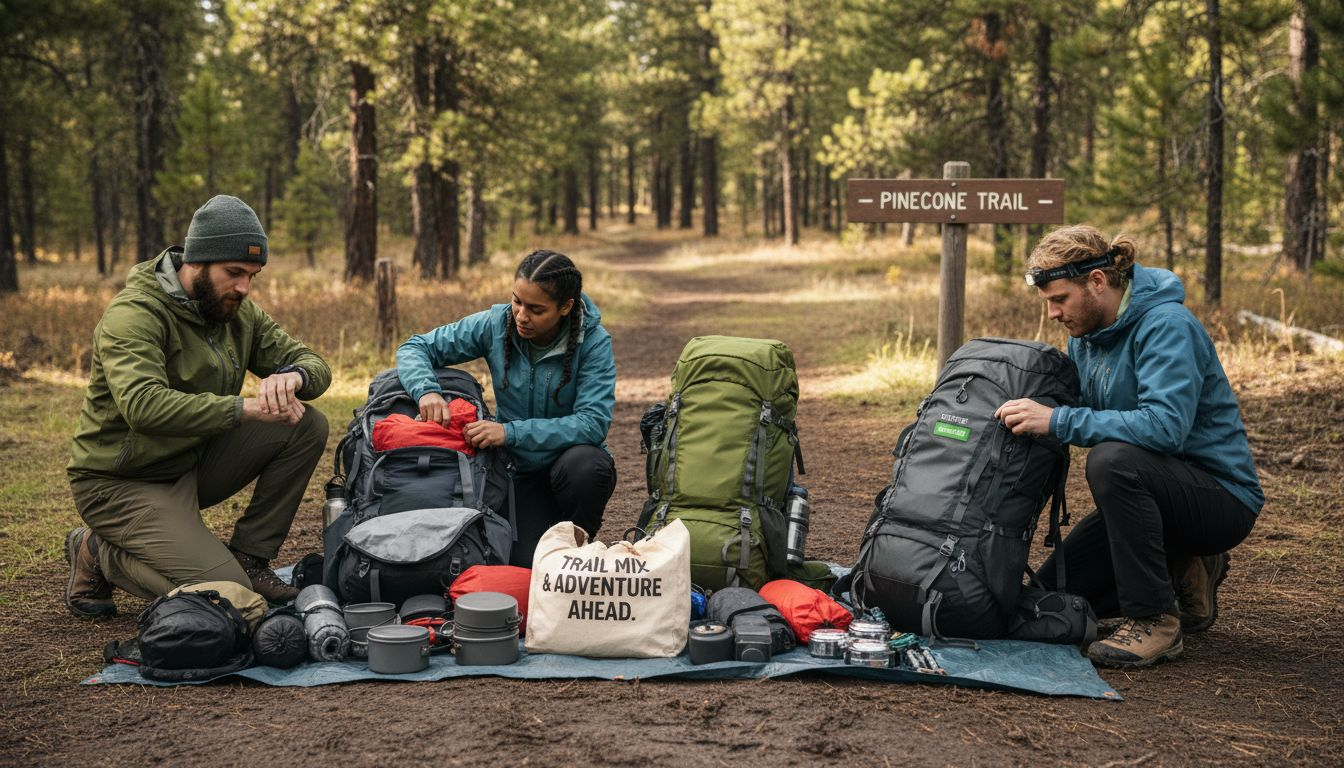
Choosing outdoor gear in 2025 means more than just grabbing the latest backpack or tent. Adventurers across North America now face a marketplace shaped by bold commitments to sustainability and authentic craftsmanship. With a new generation expecting products that champion environmental values, the definition of cutting-edge gear has changed. This guide spotlights essential trends shaping camping and hiking equipment, helping you prepare for your next expedition with gear that blends performance, responsibility, and long-lasting value.
Key Takeaways
| Point | Details |
|---|---|
| Emphasis on Sustainability | Outdoor gear choices are increasingly driven by consumers' desires for environmentally friendly and ethically made products. |
| Versatility and Minimalism | Modern adventurers prefer lightweight, multifunctional gear that minimizes overall equipment while adapting to various activities. |
| Technological Integration | Smart gear solutions are becoming crucial, providing real-time data and safety features that enhance outdoor experiences. |
| Critical Evaluation of Products | Consumers should assess outdoor gear for genuine utility, sustainability, and long-term value to avoid financial risks associated with novelty items. |
Defining 2025 Outdoor Gear Trends and Misconceptions
The outdoor gear landscape is rapidly evolving, driven by a profound shift in consumer values and expectations. Consumer-driven sustainability trends are reshaping how adventurers approach equipment selection, moving beyond traditional metrics of performance and price.
Today's outdoor enthusiasts are seeking more than just functional gear - they want products that align with broader environmental and social values. This transformation is particularly pronounced among Millennials and Generation Z, who view their gear choices as an extension of their personal ethics and commitment to sustainability.
Key trends defining the 2025 outdoor gear ecosystem include:
- Sustainability as a primary purchasing driver
- Emphasis on circular design and product longevity
- Growing demand for locally-focused micro-adventures
- Increased focus on versatile, minimalist equipment
- Preference for purpose-built, authentic gear
Understanding these trends requires moving beyond surface-level assumptions. The outdoor industry is not experiencing temporary shifts, but fundamental transformations in how consumers interact with equipment and outdoor experiences. Authentic gear design now prioritizes repair, reuse, and long-term functionality over disposable consumption.
Pro tip: Research gear brands that demonstrate genuine commitment to sustainability and transparent manufacturing practices, not just marketing claims.
Key Categories: Camping, Hiking, and Survival Gear
The outdoor gear market continues to evolve, with emerging product innovations transforming how adventurers approach equipment selection. Modern outdoor enthusiasts demand more than basic functionality - they seek gear that combines advanced technology, versatility, and sustainable design across camping, hiking, and survival categories.
In 2025, outdoor gear is defined by several critical characteristics that reflect changing consumer expectations. The market now prioritizes lightweight materials, ergonomic designs, and multi-purpose equipment that can adapt to diverse environmental conditions. Gear must now perform multiple functions while maintaining exceptional durability and minimal environmental impact.
Key product categories for outdoor adventurers include:
Camping Gear
- Lightweight, compact tents
- Modular sleeping systems
- Portable cooking equipment
- Advanced water filtration devices
Hiking Equipment
- Ergonomic backpacks
- High-performance trail footwear
- Adaptive layering clothing systems
- Compact navigation tools
Survival Gear
- Multi-tool equipment
- Emergency communication devices
- Compact first aid solutions
- Versatile shelter options
Pro tip: Invest in versatile, multi-functional gear that can serve multiple purposes across different outdoor scenarios, maximizing both utility and cost-effectiveness.
Here's how three key gear categories differ in priorities and adventurer benefits:
| Category | Core Focus | Most Sought Features | Primary Benefits |
|---|---|---|---|
| Camping Gear | Comfort & Mobility | Lightweight, easy setup | Enhanced convenience |
| Hiking Equipment | Endurance & Adaptability | Ergonomics, compact technology | Improved performance |
| Survival Gear | Safety & Versatility | Multipurpose, reliability | Emergency readiness |
The Rise of Sustainable Materials and Designs
Sustainable manufacturing practices are revolutionizing the outdoor gear industry, driven by increasing environmental awareness and regulatory pressures. Modern adventurers are no longer satisfied with performance alone - they demand gear that minimizes ecological impact while maintaining exceptional quality and durability.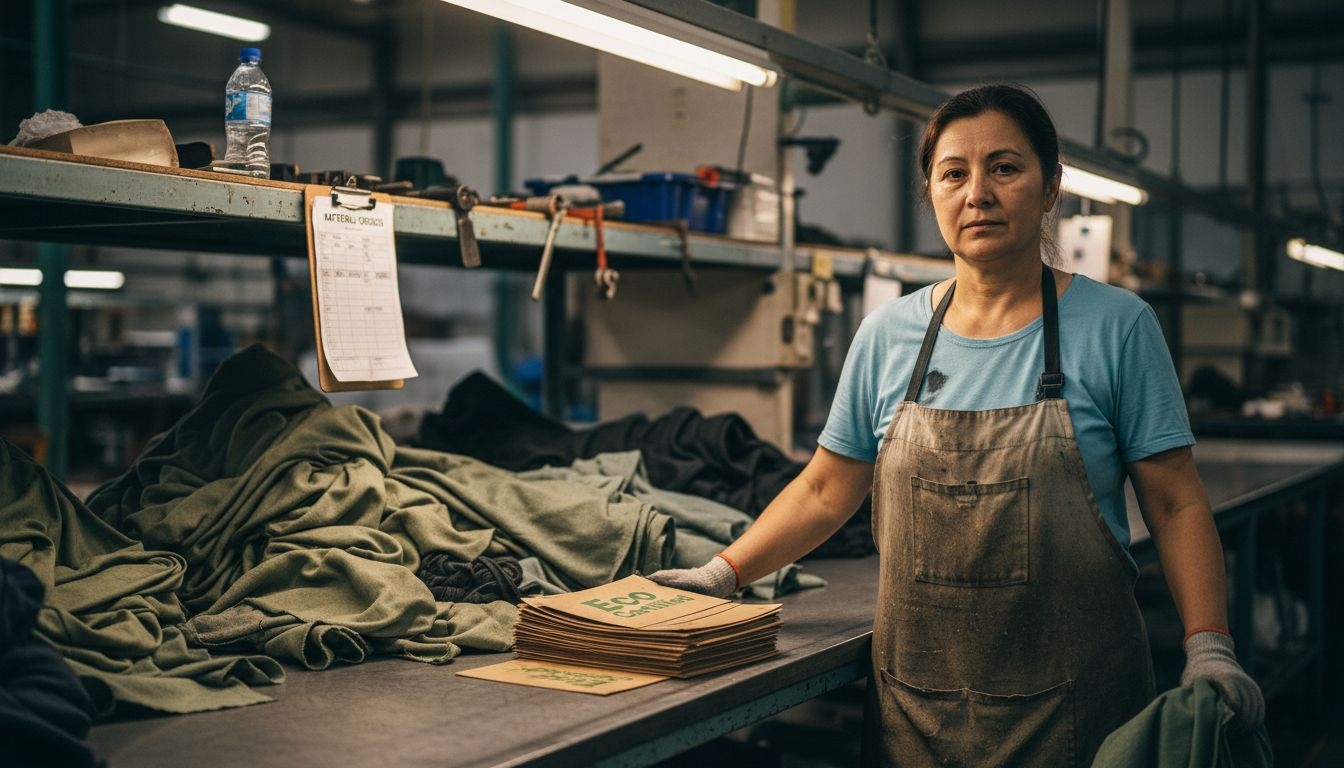
The transformation in outdoor gear materials represents a fundamental shift towards circular design principles. Brands are investing heavily in closed-loop systems that prioritize continuous material reuse, dramatically reducing waste and chemical inputs. This approach goes beyond traditional recycling, reimagining how outdoor equipment can be produced, used, and ultimately repurposed.
Key sustainable material innovations include:
Biodegradable Fabrics
- Plant-based synthetic alternatives
- Compostable performance materials
- Low-chemical production processes
Recycled Content Technologies
- Regenerated polyester from plastic waste
- Reclaimed nylon from fishing nets
- Upcycled textile composites
Circular Design Principles
- Modular gear construction
- Easily repairable product designs
- Transparent material sourcing
Circular economy principles are driving manufacturers to create products with extended lifecycles. The newest outdoor gear focuses not just on initial performance, but on how equipment can be maintained, repaired, and ultimately transformed or recycled.
Pro tip: When purchasing outdoor gear, prioritize brands that provide clear documentation about their material sourcing, manufacturing processes, and end-of-life recycling options.
Compare leading sustainable material solutions and what sets each apart:
| Material Type | Unique Advantage | Brands Most Likely to Use | Environmental Impact |
|---|---|---|---|
| Biodegradable Fabrics | Fully compostable after use | Innovative eco-focused brands | Minimal long-term landfill waste |
| Recycled Content | Utilizes post-consumer waste | Mainstream and niche brands | Reduces plastic pollution |
| Modular Designs | Enables component replacement | Brands committed to repair | Extends product lifespan |
Tech Innovations: Smart and Adaptive Gear Solutions
Smart outdoor technology is revolutionizing how adventurers interact with their environment, transforming traditional gear into intelligent, responsive systems. These technological advancements go far beyond simple tracking - they provide real-time data, environmental adaptation, and enhanced safety features that fundamentally change outdoor experiences.The integration of advanced sensors, GPS tracking, and responsive materials represents a quantum leap in outdoor gear design. Modern equipment now actively responds to changing conditions, providing adventurers with unprecedented levels of information and protection. This shift represents more than a technological upgrade - it's a complete reimagining of how gear can support human exploration and survival.
Key technological innovations include:
Adaptive Sensor Technologies
- Environmental condition monitoring
- Real-time performance tracking
- Automatic climate adjustment
Intelligent Navigation Systems
- GPS-enabled route mapping
- Predictive terrain analysis
- Emergency location services
Wearable Health Monitoring
- Physiological stress tracking
- Altitude and temperature adaptation
- Integrated emergency communication
Pro tip: When selecting tech-enhanced outdoor gear, prioritize systems with user-friendly interfaces and cross-platform compatibility to maximize functionality and ease of use.
Minimalism, Modularity, and Multi-Use Gear Appeal
Minimalist outdoor gear trends are dramatically transforming how adventurers approach equipment selection, moving beyond traditional single-purpose designs. Modern outdoor enthusiasts demand gear that is lightweight, versatile, and capable of adapting to multiple scenarios with minimal complexity.
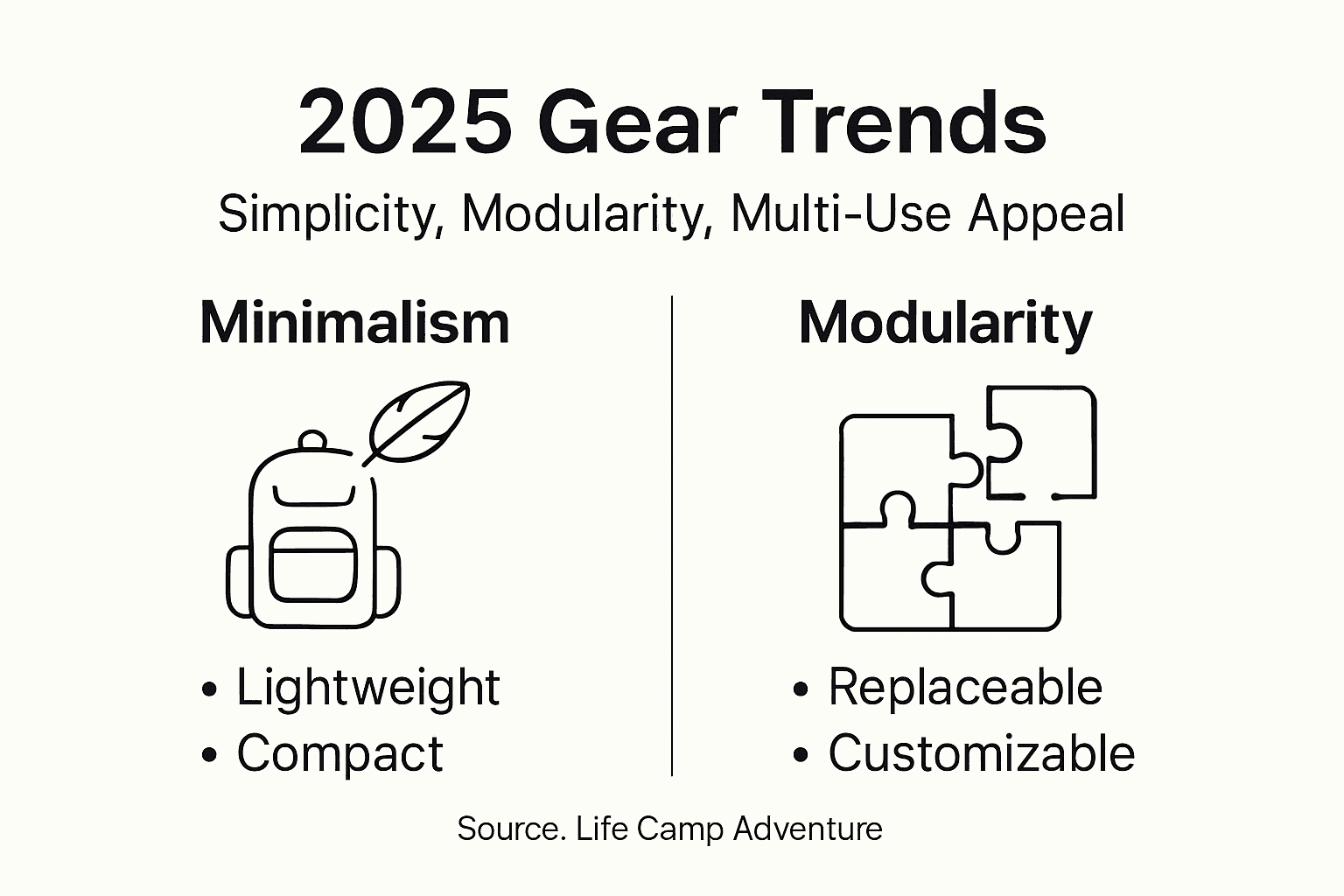
The evolution of outdoor equipment reflects a profound shift in consumer priorities. Adventurers now seek products that can seamlessly transition between different environments and activities, reducing the need for excessive, specialized gear. This approach not only simplifies packing but also supports more sustainable consumption patterns by minimizing overall equipment requirements.
Key characteristics of minimalist, modular gear include:
Compact Design Features
- Lightweight construction
- Minimal space requirements
- Easy storage and transport
Multi-Functional Components
- Adaptable configurations
- Interchangeable attachments
- Versatile usage across activities
Sustainable Design Principles
- Reduced material consumption
- Extended product lifecycle
- Simplified maintenance and repair
Modern outdoor technology enables increasingly sophisticated modular designs that allow adventurers to customize their gear with unprecedented flexibility. These innovations support a more intelligent approach to outdoor equipment, where each item serves multiple purposes and can be easily adapted to changing environmental conditions.
Pro tip: Invest in gear with modular components that can be easily replaced or upgraded, maximizing long-term utility and reducing overall equipment expenses.
Risks, Costs, and What to Avoid This Year
Raw material price volatility is dramatically reshaping the outdoor gear landscape in 2025, creating significant challenges for both manufacturers and consumers. The current market demands strategic purchasing decisions that balance innovation, performance, and long-term value.
Adventurers must navigate a complex terrain of emerging technologies and marketing claims that often prioritize novelty over genuine functionality. Not all new gear represents a worthwhile investment, and discerning consumers need to critically evaluate equipment based on durability, sustainability, and actual performance improvements rather than superficial features.
Key risks and potential pitfalls in outdoor gear selection include:
Financial Risks
- Overpriced novelty products
- Unnecessary technological features
- Poor long-term value investments
Performance Limitations
- Untested design innovations
- Fragile or non-repairable equipment
- Excessive weight from unnecessary tech
Sustainability Concerns
- Single-use gear designs
- High environmental manufacturing costs
- Non-transparent production processes
Consumer gear strategies emphasize the importance of prioritizing equipment with proven performance, clear sustainability commitments, and genuine utility. The most intelligent approach involves selecting gear that offers demonstrable improvements in outdoor experience while maintaining environmental responsibility.
Pro tip: Always request detailed performance specifications and lifecycle assessments before purchasing new outdoor gear, ensuring your investment delivers genuine long-term value.
Gear Up for 2025 with Confidence and Purpose
The 2025 outdoor gear trends highlight a shift toward sustainability, modularity, and smart design that every adventurer must embrace. If you are looking to overcome challenges like balancing durability with environmental responsibility or finding multi-functional equipment that adapts to your evolving needs, you are not alone. The article points to the importance of choosing gear focused on circular design, lightweight materials, and advanced technology. These are critical to maximizing performance while minimizing your ecological footprint.
At Life Camp Adventure, we understand these pain points deeply. Our selection of camping, hiking, and survival gear is designed to align with these emerging trends. Whether you need reliable, repairable camping gear or smart, versatile survival essentials, we offer products crafted for endurance and ethical manufacturing. Embrace the future of outdoor exploration with gear that supports your commitment to sustainability and adaptability.
Ready to elevate your outdoor experience with gear designed for modern adventurers like you
Explore our collection today at Life Camp Adventure and be the first to equip yourself with the tools that matter in 2025. Don’t wait to invest in gear that guarantees comfort, durability, and true sustainability. Your next adventure deserves it.
Frequently Asked Questions
What are the key trends impacting outdoor gear in 2025?
The key trends include a focus on sustainability, circular design, demand for minimalist and versatile equipment, and the preference for purpose-built, authentic gear that aligns with consumer values.
How can I choose outdoor gear that aligns with sustainability principles?
Look for brands that emphasize transparent manufacturing practices, use sustainable materials, and offer options for repair, recycling, or reuse. Check for documentation on their sourcing and production processes.
What features should I look for in modern camping gear?
When selecting camping gear, prioritize lightweight, compact designs, ease of setup, and multipurpose functionality. Advanced camping equipment may also include features like modular sleeping systems and portable cooking tools.
How do smart technologies enhance outdoor gear?
Smart technologies provide real-time data, such as environmental monitoring and navigation, enhancing safety and performance. These systems adapt to changing conditions, making outdoor experiences more intuitive and secure.
Recommended
- 8 Reliable Camping Cookware Reviews for 2026
- What Is Outdoor Gear and Why It Matters
- Best 7 Camping Gear 2025 – Expert Comparison 2026
- Outdoor Gear Terminology Explained: Smarter Choices
- What Is Seasonal Sports Gear and Why It Matters – More Sports
- Master Road Cycling Protection Methods for Safer Rides – The Beam
